The Store Is the New Warehouse
Remember when waiting a week for a package felt normal? Then two-day shipping became the standard, and next-day delivery felt lightning fast.
Now the bar is moving again. Target, Walmart, and Home Depot all recently signaled that a three-hour-or-faster delivery window is becoming the expected norm for customers willing to pay a little extra. Amazon is pushing even further, saying its drone delivery will reach close to 500 US municipalities by the end of this year and get some orders to customers in about 30 minutes.
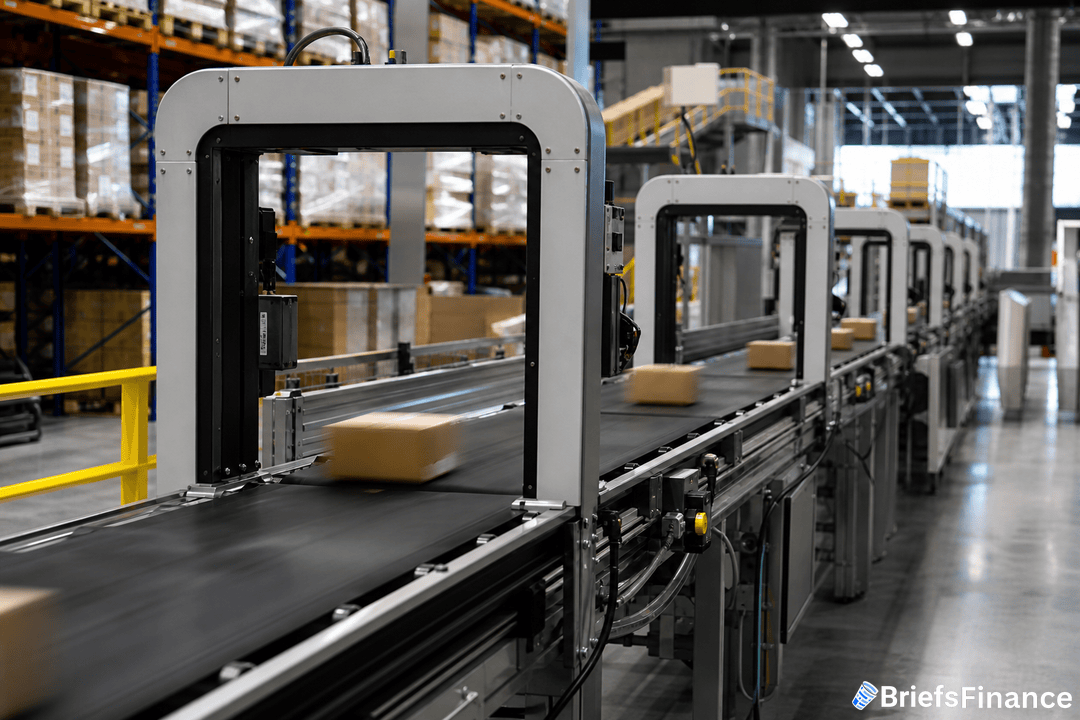
For decades, the standard retail model separated stores from fulfillment: online orders traveled from regional warehouses, while stores served only walk-in customers. The new approach blurs that line. By keeping inventory in stores and using them as local hubs, retailers can cut the last mile of delivery and make faster windows economical.
This shift did not happen overnight. Asher calculated that roughly three-quarters of the US population lived within a 10-mile radius of a Target store, making the chain a candidate for use as mini-fulfillment centers rather than relying on distant warehouses.
The best financial decisions come from understanding the whole picture. Join Market Briefs free and get the full brief each morning.
The Economics of Speed
So how do retailers make this work without spending through the roof? The secret is clustering. Asher explains that the economics improve dramatically when deliveries are grouped together, such as 10 stops per route rather than two or three. More stops per trip means lower cost per package, which makes speed sustainable.
Walmart noted Thursday that 37% of its last-quarter delivery orders arrived in under three hours. Amazon's drone program takes speed to another level, with the company saying customers can receive items in roughly 30 minutes, and most in about an hour.
"The whole joke about doing five or six trips to the hardware store for every project, hopefully that becomes a thing of the past," Asher said.
Amazon customer Lindsey Austen experienced that speed with a drone delivery of cat food and shoe insoles in 20 minutes. Her reaction? A mix of amazement and practicality. "If I needed something in 20 minutes, I'd get in my car and do it," she said. "Same-day delivery is one thing, or overnight delivery, or 24-hour delivery, that's fine."
What It Means for Investors
The delivery arms race is not just about convenience. It is reshaping how retailers invest in stores, technology, and logistics. For investors, the companies that appear this shift could gain serious ground on competitors who lag behind. For shoppers, the days of planning purchases around shipping times are fading, replaced by a world where the store down the street becomes the warehouse at your doorstep.
The future of retail will look nothing like the past 20 years. The only question is which companies will keep up.
Markets move every day, and most of it never reaches you in time. Get the free Market Briefs daily newsletter and stay ahead of it.