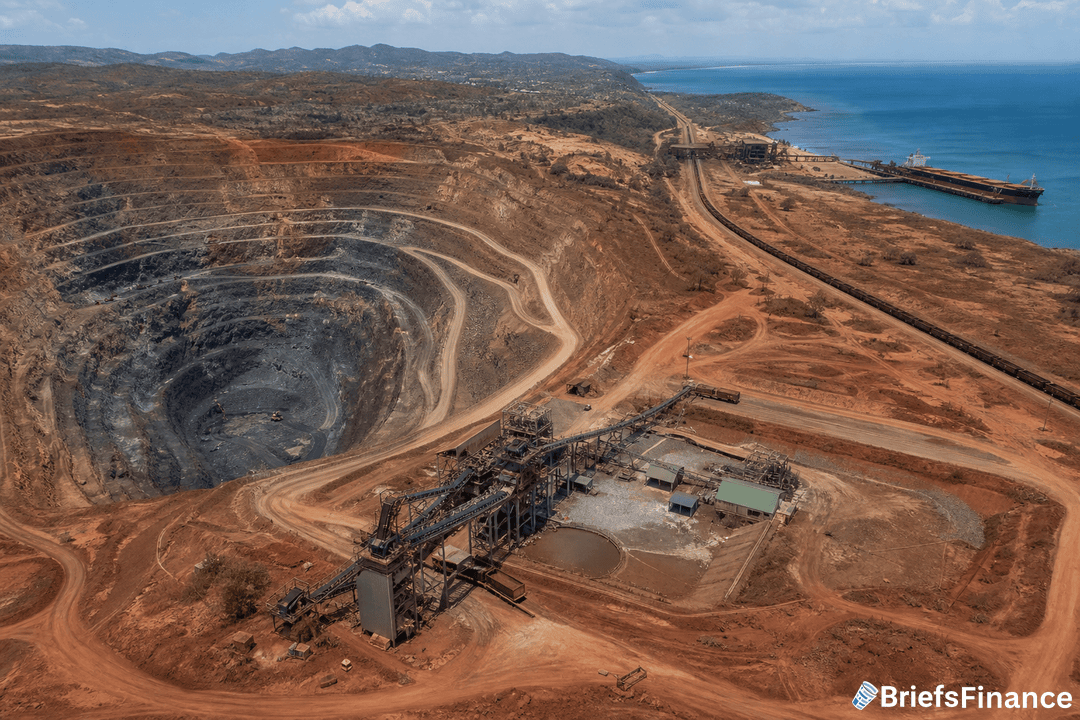
A U.S.-backed investor group is closing in on a deal that could pour more than $500 million into a major nickel mining project in Tanzania. The move is part of a bigger push by the U.S. government to secure critical minerals and loosen China's grip on the global supply chain.
The deal is still being negotiated, so the final price tag is not locked in. People close to the talks say it could land between $500 million and $600 million, with one source putting it closer to $500 million.
What the Deal Looks Like
Orion CMC was set up in October with state-backed financing from the U.S. International Development Finance Corp. and Abu Dhabi's L'imad Holding. The group's founders launched it with $1.8 billion in initial funding, and the DFC approved an extra $900 million in July to help it chase mining and metals deals. Its entry into Kabanga would give the project a deep-pocketed financial partner as Lifezone prepares for a construction decision early next year.
The structure of the deal matters. Tanzania holds 16% of Kabanga Nickel, the Lifezone unit running the project, while Lifezone owns the rest. If the deal goes through, Lifezone would keep control of the unit, with Orion CMC taking a substantial minority position. That arrangement would give the U.S.-backed group a real voice in the project without handing over the keys.
Lifezone, Orion CMC, and the DFC declined to comment. But Lifezone CEO Chris Showalter said in late July that his company had picked a preferred partner from several offers for a "strategic equity investment" in Kabanga. He did not name Orion CMC at the time.
A few minutes a day is enough to stay genuinely informed about your money. Join Market Briefs free and start tomorrow.
Why Nickel Matters Right Now
Nickel does more than sit in your kitchen sink. It is a key ingredient in stainless steel and in the batteries that power electric vehicles. As carmakers push harder into electric vehicles, demand for nickel keeps climbing.
The supply picture is tight. Around 60% of the world's nickel comes from Indonesia, and that is partly a result of Chinese investment. Indonesia banned raw-ore exports in 2020, which pushed Chinese companies to build smelters inside the country instead. That gave China an enormous amount of influence over how the world gets its nickel.
Bringing Kabanga into production would add a major new source of the metal, and the U.S. government is paying attention. Since at least 2024, the DFC has been engaged with Kabanga, beginning with due diligence on political-risk insurance and expressing interest in project financing. This fits into a broader push under the Trump administration to secure critical minerals and cut reliance on China.
Orion CMC CEO Ben Black said in July that the extra $900 million would help "support Orion CMC's rapidly expanding pipeline of mining and minerals opportunities to help address China's strategic chokehold." That is a direct statement of intent.
What It Means for Your Portfolio
The deal is not done yet, and there are still big decisions ahead. Lifezone has hired Societe Generale SA to arrange debt financing and plans to decide early next year whether to move forward with construction. The total cost to build the mine is estimated at $942 million, which means the equity investment from Orion CMC would cover more than half the bill.
If the project gets built, it would take years before the first nickel comes out of the ground. But the bigger picture is worth watching. The U.S. government is putting real money behind mining projects in friendly countries, and that could eventually change where the world sources critical minerals.
For investors, the nickel market has been volatile, and a new major source of supply could ease some of the pressure on prices over the long run. The project is not a quick trade or a one-quarter story. It is a long-term bet on a metal that will likely matter more as the world keeps electrifying.
The next big deadline is early next year, when Lifezone decides on construction. Until then, the numbers on paper will have to do the talking.
Rates, prices and policy all end up in your budget eventually. Get the free Market Briefs daily newsletter and see it coming.