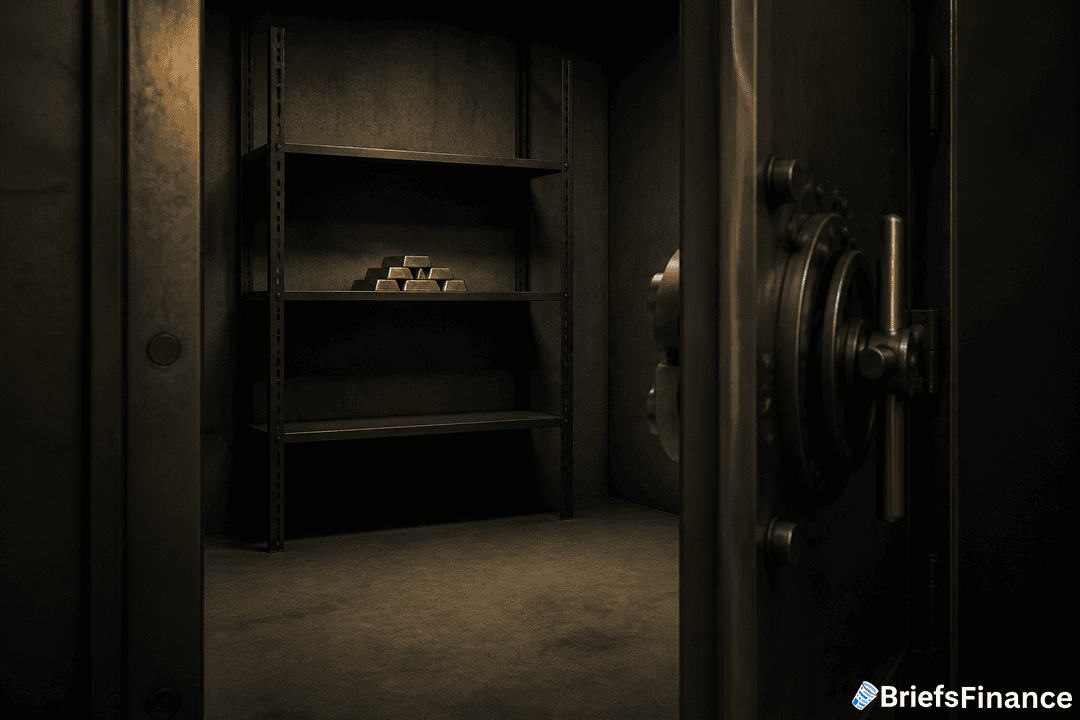
Russia's gold reserves are shrinking, and the central bank is selling.
As of Aug. 1, the country's bullion stockpile had slipped to 73.2 million ounces, a drop of 1.6 million ounces from the beginning of the year. The central bank released the data on Aug. 20, revealing the lowest stockpile since the start of 2020. Over the first seven months of the year, the dollar value of the bullion holdings declined by $33.7 billion.
A Reversal After Years of Heavy Buying
This is a big turn for a country that used to hoard gold like a dragon.
At one point, the Bank of Russia stood as the world's most active sovereign gold buyer. It purchased much of the country's mining output, building up reserves through the 2010s. Then it paused those purchases in early 2020, and the buying never really returned.
Sanctions following the February 2022 invasion of Ukraine made things harder. Gold exports became complicated, and while the central bank announced plans to resume buying, it never went back to large-scale purchases. Instead, the stockpile started shrinking last year.
The money story behind the headlines is usually the part that matters. Join Market Briefs free and get it every morning.
That reversal is significant because Russia spent much of the previous decade turning its commodity earnings into bullion. Those purchases helped make the central bank a major force in the global gold market. The recent drawdown, by contrast, shows how sanctions and lower energy income have changed the country's priorities.
Why the Sales Are Happening
The reason comes down to a budget problem.
To compensate for weaker energy revenues, Russia's Finance Ministry has been tapping the National Wellbeing Fund, a government savings pool, by selling gold and foreign currency. Oil and gas money has not been flowing the way it used to, so the government needed another source of cash. A government savings pool is meant to be tapped when revenues fall short, and that is what is happening now.
The central bank used what is called a mirror mechanism. That means it matched those government sales with its own trades in the domestic market. The goal was to keep the ruble stable and avoid shaking the financial system while the government pulled money out.
What This Means for Investors
Gold watchers pay close attention when a major holder sells, and Russia is a major holder even after this drawdown.
The country still holds tens of millions of ounces, so this is not a fire sale. But the direction is clear: a top buyer has become a seller. That shift matters for the gold market because supply and demand math changes when a big player moves to the other side.
For your portfolio, the takeaway is simpler. Central bank buying has been one of the forces supporting gold prices in recent years. If Russia keeps selling, that support weakens. If other central banks step up their own buying, it could offset the difference.
The bigger story is what this says about Russia's finances. A country that spent years piling up gold is now tapping its reserves to pay the bills. That is not a sign of strength, and it is worth watching whether the sales continue through the rest of the year.
Understanding what moved a market beats knowing that it moved. Get the free Market Briefs daily newsletter and follow the drivers.