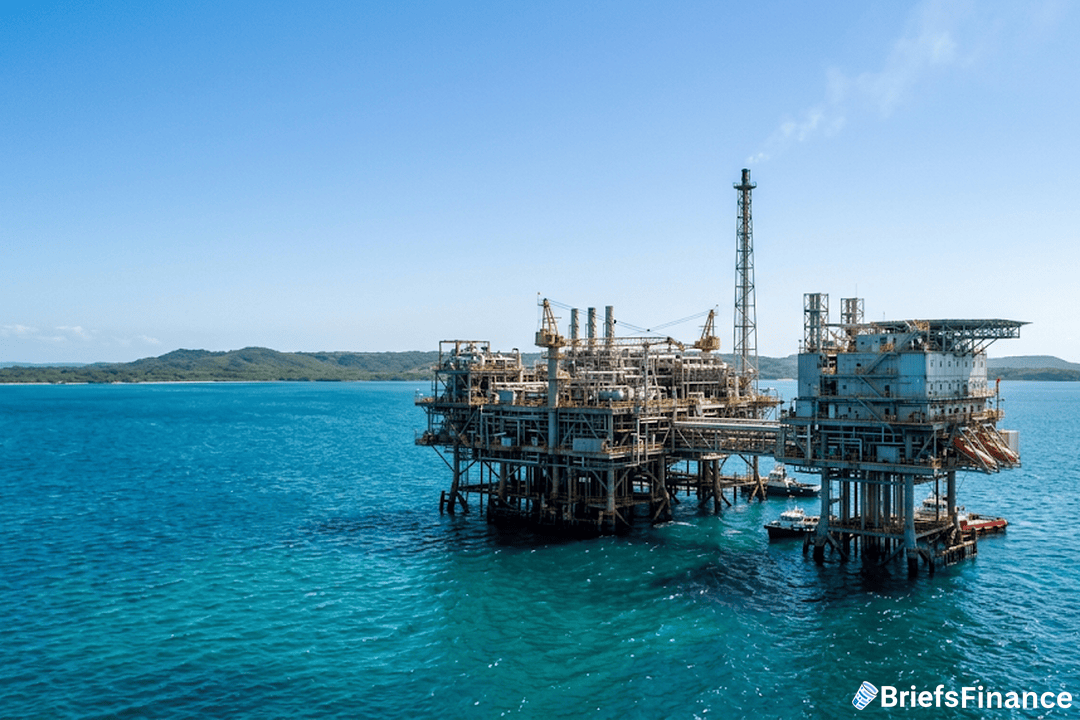
For decades, Venezuela's energy riches have been locked up by politics. That just changed.
Two Gulf Arab companies won licenses to develop a massive offshore gas field in the Caribbean, marking their first entry into Venezuela's energy sector. The project, operated by British energy giant BP, sits on the maritime border between Venezuela and Trinidad and Tobago.
The Deal at a Glance
That gas is meant to feed Trinidad's industrial base, including the Shell- and BP-led Atlantic LNG terminal and chemical and fertilizer plants that have suffered through years of gas shortages. Think of it as a refill for a tank that's been running on fumes.
What This Means
Venezuela sits on some of the world's largest natural gas reserves, but decades of underinvestment, mismanagement, and sanctions have left the sector largely dormant. The Loran field alone holds enough gas to power Trinidad's LNG export industry for years, and bringing it online could ease the energy crunch that has forced Caribbean nations to import expensive fuel. For Gulf companies, the deal offers a foothold in a region historically dominated by US and European energy giants.
Get the free Always Be Buying eBook and learn the simple system for building wealth on any income
Politics and Energy Collide
The timing is no accident. With US-Iran hostilities squeezing global supply - about a fifth of LNG cargoes normally pass through the Strait of Hormuz - countries are scrambling for new sources of energy.
The approval of Loran phase 2 also suggests Venezuela's government is willing to move forward with energy agreements made before the US captured Nicolás Maduro in January. US-backed acting president Delcy Rodríguez praised the deal during a palace ceremony, calling it a step that is "driving forward gas production."
Separate oil deals with Venezuela's state-run PDVSA are also in the works, though they're moving slower and drawing limited interest from most big oil companies. PDVSA did not respond to a press inquiry.
The Loran field, discovered decades ago, has long been underdeveloped due to political turmoil and US sanctions. Previous attempts to bring in foreign partners stalled under the Maduro government. Now, with the easing of some restrictions and the appointment of a US-backed acting president, the field is finally attracting investment. The participation of Gulf companies, which have deep pockets and experience in large-scale gas projects, could help revitalize Venezuela's struggling energy sector.
What Comes Next
The license isn't final yet. XRG said it still depends on settling license and development terms, getting government and regulatory approvals, and staying in compliance with international sanctions.
If it goes through, this deal fits a bigger pattern. Adnoc, XRG's parent, has previously partnered with Italy's Eni SpA to acquire interests in a liquefied natural gas project in Argentina's Vaca Muerta area. The company's other gas holdings span Texas, Egypt, Azerbaijan, Turkmenistan, and Mozambique.
For investors, the takeaway is simple: global energy companies are betting that Venezuela is open for business again, and they're willing to put real money behind that bet. The Gulf's first step into Venezuela could be the start of a much longer walk.
Download the free Always Be Buying eBook and start putting your money to work today