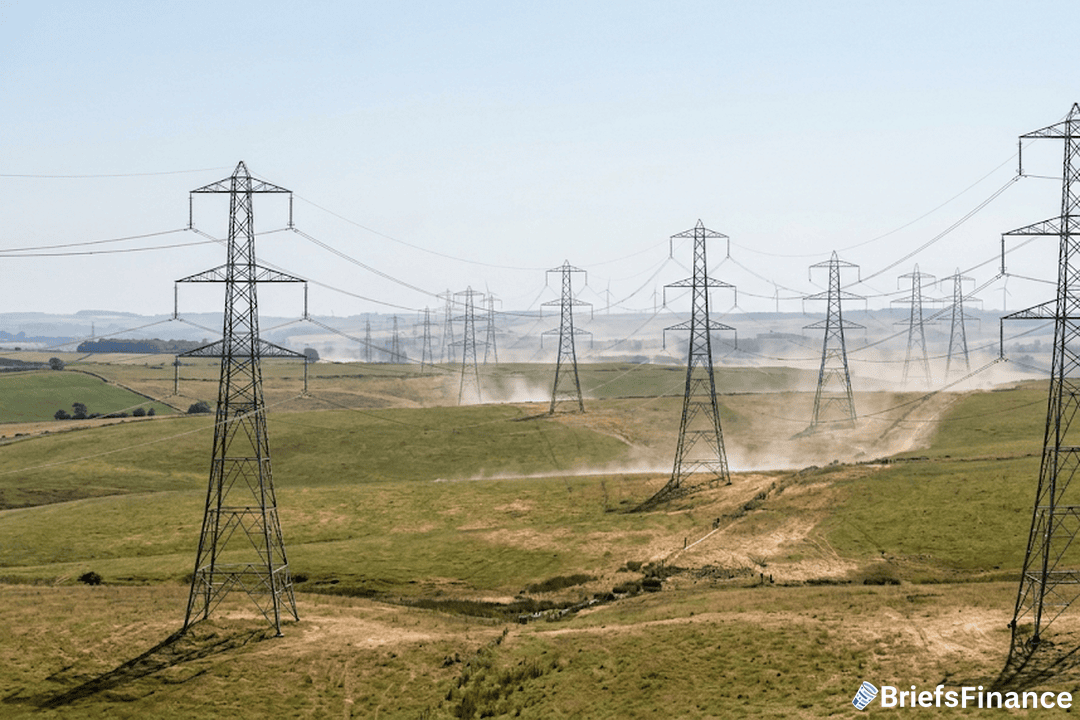
A Hot Forecast Turns Into a Pricier Grid
Europe's heat wave is having a dual effect: temperatures are climbing and electricity prices are climbing with them.
"London is forecast to hit 33C (91.4F) on Wednesday and push toward 37C on Thursday," the UK Met Office said, a mark that would come within one degree of the year's highest recorded temperature.
Day-ahead prices are exactly what they sound like. They are the rates buyers agree to pay for electricity delivered the next day, and the market's best guess at what it costs to keep the lights on when demand spikes.
When a heat wave hits, that guess goes up fast.
Get the free Always Be Buying eBook and learn the simple system for building wealth on any income
Amber heat-health alerts are active across England through Friday, with the hottest conditions expected in southern and eastern regions. Those alerts are in place because this kind of heat is more than an inconvenience, and the electricity market is feeling the same strain.
The alert system is a useful gauge for grid operators because it tracks the same conditions that push people to turn on cooling. As the hottest afternoon hours arrive, demand for electricity climbs in step with the heat, and the day-ahead market starts to price in that extra load.
Why France's Nuclear Plants Are Slowing Down
The heat is not just lifting demand. It is also squeezing supply, and France is the place to watch.
Warm river water is forcing some French nuclear plants to trim output, leaving the country's reactor fleet at roughly 60% of capacity. Nuclear reactors rely on river water for cooling, and when river temperatures rise, operators must reduce generation to avoid discharging water that is too warm. Less French nuclear output means less electricity available to flow across interconnectors to Britain, adding to the strain on the UK grid.
What It Means for the Market
The day-ahead price is the clearest near-term signal of how tight the power system is expected to be. A jump to £133.24 per megawatt-hour - the highest level since June 23 - tells traders that the combination of high demand and constrained supply is forcing buyers to pay a premium for next-day electricity.
The timing matters. The heat is forecast to peak on Thursday, and the day-ahead market for that day is already reflecting the strain. If temperatures stay high into Friday, when the amber alerts are still active, prices could stay elevated.
The situation in France is a reminder that heat waves do not only increase demand. They can also reduce supply. When rivers run warm, nuclear plants cannot always run at full power, and the whole region feels the effect. Britain's power market is connected to its neighbours, so a hot spell on the continent can quickly show up in UK prices.
For now, the key numbers are simple: London is heading toward 37C, French nuclear output is down to around 60% of capacity, and British day-ahead power has hit its highest level in three weeks. As long as the heat lasts, the market will be watching the thermometer as closely as the grid.
Download the free Always Be Buying eBook and start putting your money to work today