The Report That Raised Doubts
Defense Secretary Pete Hegseth has had a rough week. The Washington Post reported Wednesday that Trump complained on the sidelines of last week's Cabinet meeting that Hegseth had misled him about shortages of munitions.
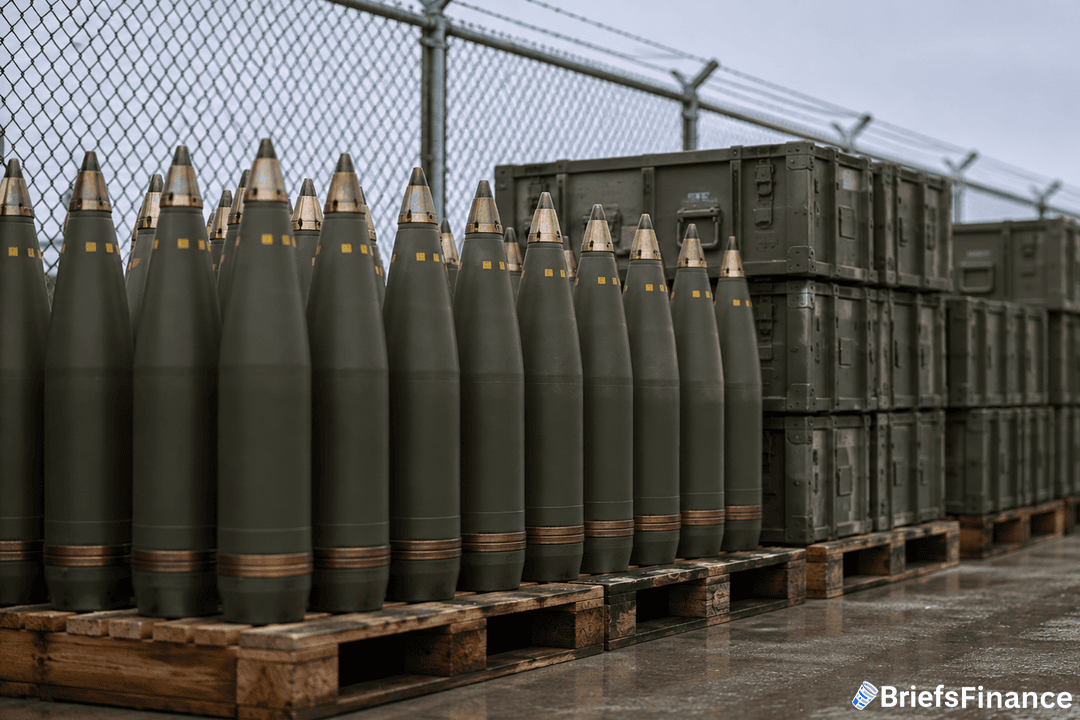
Munitions are the bullets, bombs, and missiles the military needs to fight. When they run short, the Pentagon has to spend money to replace them.
Weapons stockpiles are the reserve the military draws on when things go wrong. They rarely make headlines until someone at the top starts asking whether they are full enough.
And when the boss at the top thinks he was not told the truth about that, the job usually gets a lot shakier. The report raised doubts about whether Hegseth would last.
Trump settled that question on Thursday, August 6, 2026. "I am extremely happy with the job that Pete Hegseth is doing," he wrote on social media.
"Everything has been extraordinary, including our attack on Venezuela" and likewise in Iran, "where the country has been decimated." Trump also pointed to the Iran operation as part of a record he called strong.
Then he went after the report itself. He disputed the story and again claimed that arms makers are building more factories and plants than the country has seen at any earlier time.
The message from the White House was clear: on paper, at least, Hegseth has full support.
A Warning to Leakers
Trump did not stop at praising Hegseth. In an earlier post, he aimed at the people behind the report.
Get the free Always Be Buying eBook and learn the simple system for building wealth on any income
He threatened that "leakers" of supposed "treasonous statements" are being pursued, adding, "Long-term jail sentences will be sought!" He offered nothing to show that the reporting on U.S. weapons supplies had broken any law.
Trump framed the story as a leak problem instead of a supply problem. That shifts the argument from the stockpiles themselves to who talked to the press.
That shift may matter as much as the defense itself. If sources inside the administration worry about being exposed, the flow of leaks could dry up.
That would give the public fewer details about weapons levels, even as the debate over those levels goes on. For investors, fewer leaks means more uncertainty.
When you cannot see the supply picture, it is harder to guess which defense companies might win the next big order.
The Real Story Is the Stockpile
The political noise is real, but the money story is quieter. Trump keeps pointing to the factories, and that is the part that moves money.
Here is the logic. Stockpiles shrink when weapons get used.
Rebuilding depleted stockpiles is rarely a quick process. The Pentagon has to determine what was consumed, request money, and award contracts before production lines can speed up. That lag is why a shortage headline now can turn into a revenue story for contractors later.
After campaigns like the Venezuela attack and the Iran operation, the military needs to restock. To do that, the Pentagon places orders with defense companies.
Those companies, in turn, build plants and hire people to fill the orders. Trump says that is already happening.
If that is accurate, it points to years of work for contractors and their suppliers - not a short burst of spending.
The two operations Trump mentioned are exactly the kind of missions that chew through weapons. Shortages after heavy use are not unusual; the question is whether they have become dangerous.
The bottom line: the fight over Hegseth is the kind of Washington drama that makes headlines. But for your portfolio, the interesting story is the building boom.
The plants being built today are the production lines of tomorrow, and they will keep running no matter who sits in the Pentagon. For now, the public record is what Trump posts on social media, and investors have to decide how much of it they believe.
Download the free Always Be Buying eBook and start putting your money to work today