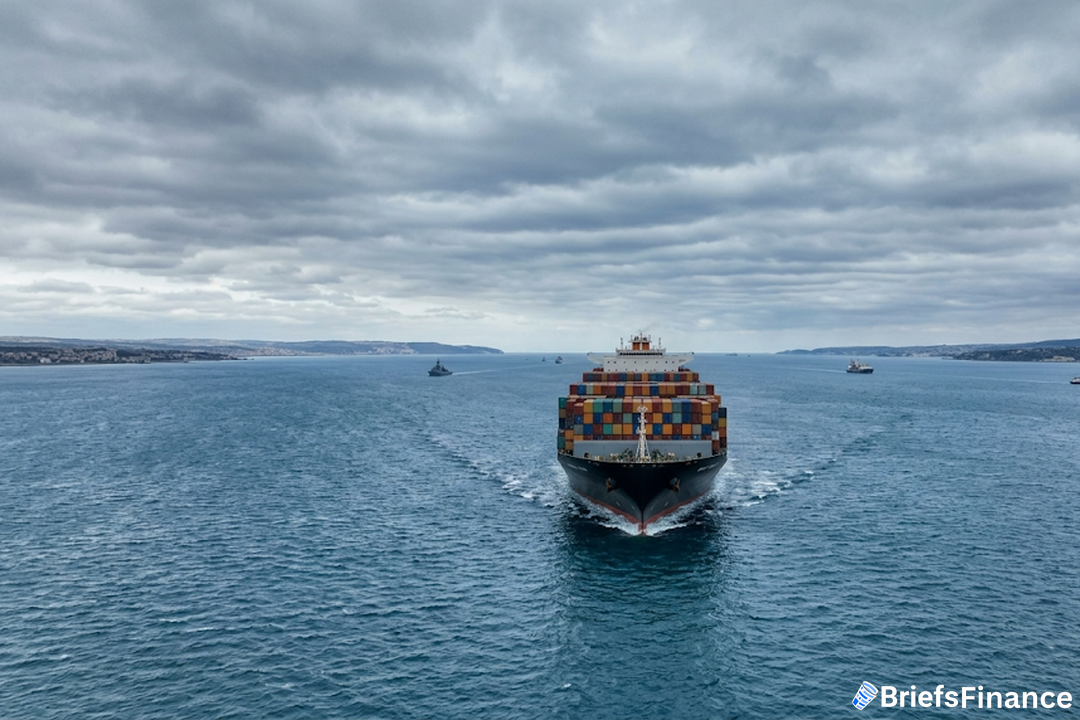
The Shipping Lane Behind the Chaos
War erupted in Iran in late February. The Strait of Hormuz - a key route for crude, gas, and fertilizer shipments - has stayed almost entirely shut since then. The closure caused what Clarkson called a "pronounced shock" for shipping worldwide, notably in energy markets.
The shock rearranged global trade patterns, lengthening journeys and shrinking the number of vessels available. Longer voyages, such as sending Middle East crude around the Cape of Good Hope, absorb more tonnage and create more broking work. Freight rates have been notably high in specialized product markets.
Ships still making the transit often switch off their transponders. Many others either take the northern passage close to Iran's coast with Tehran's permission, or use a southern lane near Omani waters.
Clarkson, listed in London, is the largest shipbroker in the world. The company has gained substantially from the Hormuz turmoil. Its broking operation earns more when shipping markets are turbulent and complicated, because customers depend on intermediaries to find vessels, fix charters, and manage their exposure.
Hormuz matters for energy cargoes but also for commodities such as fertilizers, so the disruption has spread across a wide range of shipping sectors. That broad effect explains why the chaos has produced such a strong burst of chartering work for Clarkson.
Get the market news that matters in a five-minute read with Market Briefs, our free daily newsletter
Why It Matters
The crisis has shown how quickly a single chokepoint can reshape global shipping. With more vessels tied up on longer routes and transponder signals switched off in the strait, charterers have become heavily reliant on brokers to make sense of the market. That dynamic helped Clarkson turn instability into a record flow of commissions, and the effects are likely to linger as reopening proceeds and clients rebuild inventories.
A Record Half-Year
Revenue climbed almost 40% to £413.5 million in the six months ended June 30.
The broking division delivered its best-ever first half, generating £64.8 million of operating earnings versus £41.8 million a year earlier.
In a statement on Monday, Chief Executive Officer Andi Case said: "The strength of the first half result has put the group into a strong position for the year."
"This disruption reshaped trade flows, driving an initial surge in freight rates and elevated hedging activity as clients sought to manage price and freight exposure," Case said.
He added: "A progressive reopening of the Strait in the second half is expected to support restocking activity, and recovering volumes have the potential to provide additional support to shipping markets."
The Stock Market's Reaction
The stock was quoted at 5,140.00, up 8.67%.
In the 12 months before the announcement, Clarkson shares had risen about 40%, outperforming the FTSE 100's 19% gain.
Join Market Briefs, our free daily newsletter, for a quick daily rundown of the markets