Overview
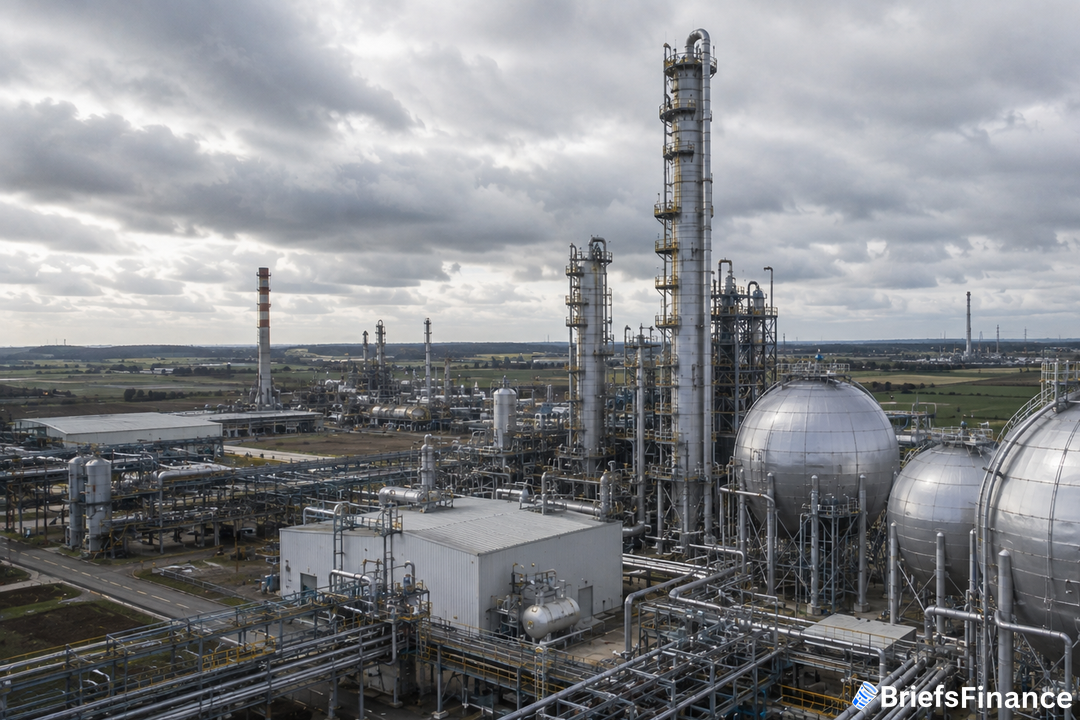
The 230,000-barrels-a-day refinery, run by Essar Energy Transition Fuels, is intended to become a low-carbon energy transition hub, with hydrogen production at the core.
Most of the planned work is still ahead. Essar's plan also calls for organizing the plant's process units into one integrated line, a step meant to lift yields of premium fuels and let the facility accept a broader range of crude oils.
Essar also wants to grow its fuel retail network. A furnace at the site has already been adapted for hydrogen use, giving an early sign that the refinery is moving toward cleaner production.
The strategy reflects a broader reality: European oil refining faces stricter environmental rules and a long-term decline in demand for traditional transport fuels. Essar's leadership is betting that hydrogen and other low-carbon businesses can add new revenue streams and reduce the refinery's exposure to those pressures.
Why It Matters
Stanlow will not become a clean-energy park immediately.
Get the market news that matters in a five-minute read with Market Briefs, our free daily newsletter
The physical groundwork is already beginning to take shape.
Stanlow's scale reinforces its importance. As a 230,000-barrel-a-day UK site, it remains central to Essar's effort to modernize its refining business. The wider industry backdrop is one of higher emissions costs and falling expectations for fuel demand, so the company is trying to build new lines of business alongside conventional output.
There is also a commercial element. Instead of depending on petrol and diesel alone, Essar wants to make hydrogen a saleable product and expand its retail fuel network. The June agreement with the trading arm of Abu Dhabi-based International Resources Holding fits into that plan by securing crude supply and opening routes for selling the products Stanlow produces.
Background
Stanlow's role in UK fuel supply gives the project broader significance. The refinery's 230,000-barrel daily capacity means it can process large volumes of crude, and keeping that capacity running while new low-carbon operations are added is central to Essar's approach.
The staged investment programme is designed to preserve cash flow from existing fuel sales, which can help fund the hydrogen and other transition businesses over time. In that sense, the transition plan is less about an abrupt switch than about steadily adding new revenue streams to a refinery that still needs to operate profitably during a long industry shift.
The site therefore sits at the centre of two overlapping pressures: the need to keep supplying fuels that are still in demand and the need to prepare for a future in which demand is weaker. Essar's plan attempts to manage both by using conventional refining income to underwrite a gradual move into hydrogen and other low-carbon revenue sources.
Investment Picture
Essar's parent company is centering its diversification strategy on hydrogen and other low-carbon activities at a time when refiners face stricter emissions rules and weakening long-term demand for traditional road fuels. The commercial logic is to make the refinery less reliant on petrol and diesel while still getting value from its existing crude-processing capacity. Essar's ability to reach a final investment decision on more than £1 billion of projects could determine how quickly Stanlow's transition hub takes shape. The £1 billion tranche would come on top of the £100 million already spent to lift processing capacity by about 8%.
Join Market Briefs, our free daily newsletter, for a quick daily rundown of the markets