Earnings Beat and a Big Profit Jump
Yum Brands delivered a mixed bag for its second quarter.
Net income jumped to $853 million from $374 million a year earlier.
Total revenue climbed 12% compared to last year, lifted by new restaurant openings. Global same-store sales increased 3%, closely matching the 2.9% growth that analysts at StreetAccount had predicted. Taco Bell led the way with 7% growth in the quarter. KFC saw its same-store sales climb 2%, whereas Pizza Hut's comparable sales declined 1%.
Portfolio Changes and International Strength
In June, Yum announced it would divest Pizza Hut for $2.7 billion to a group that includes Yum China and the private equity firm LongRange Capital. This deal streamlines the company's brand portfolio. Meanwhile, KFC's system sales in China, Yum's largest market, rose 6%. These strategic moves highlight Yum's focus on core brands and its reliance on international growth, even as domestic challenges emerged.
Get the market news that matters in a five-minute read with Market Briefs, our free daily newsletter
The Outbreak That Hit Taco Bell
Then came July.
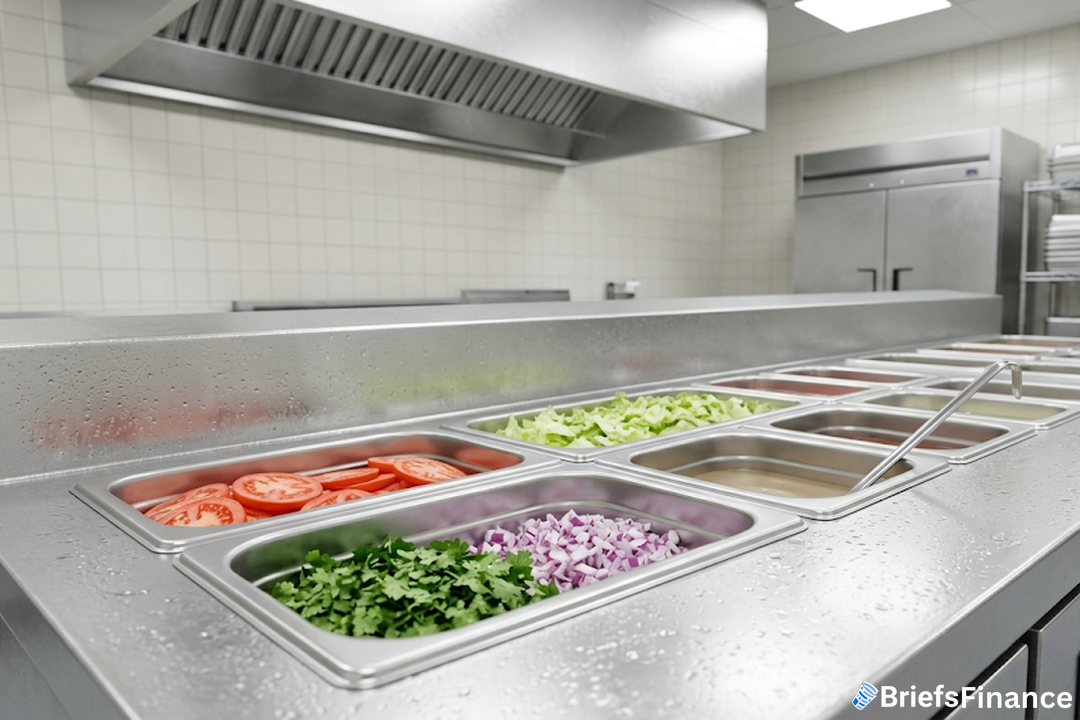
The FDA linked a cyclospora parasite outbreak to iceberg lettuce served at Taco Bell. The contaminated lettuce came from supplier Taylor Farms. Taco Bell's U.S. same-store sales for the third quarter through July 27 fell 2%.
CEO Chris Turner said the brand saw "a meaningful near-term sales impact." CFO Ranjith Roy added that the maximum impact came over the weekend of July 18, just two weeks after the food safety issue became front and center. That weekend, traffic dropped sharply. Data from Placer.ai tracked the fall, showing daily traffic plunged by double-digit percentages.
Despite recent challenges, Yum Brands has demonstrated resilience through its global scale. The company operates over 50,000 restaurants worldwide, with a significant portion of its revenue coming from international markets like China. This geographic diversification helps mitigate the impact of regional issues such as the Taco Bell parasite outbreak. Additionally, the company's strategic decision to sell Pizza Hut reflects a focus on higher-growth brands like Taco Bell and KFC, which have shown stronger same-store sales performance.
Here is the good news for investors: sales are already improving. According to Yum executives, "average sales over the last four days have recovered about 50% from the steepest declines after the initial announcement." Turner noted that consumers are starting to realize the problem was not limited to Taco Bell. Chipotle experienced a dip in sales as well, since customers' wariness of restaurants offering fresh lettuce hurt business during late July.
Health authorities continue to monitor a second cluster of cyclospora cases, but the origin remains unknown.
The company's share price dropped about 5% after the FDA tied Yum to the outbreak. But after the earnings call and the recovery update, shares jumped 4% in premarket trading. The company says sales have been "steadily improving" over the last 10 days.
Join Market Briefs, our free daily newsletter, for a quick daily rundown of the markets