Free NewsletterPro Login
S&P 500 6,287 +0.42%
DOW 44,521 -0.18%
NASDAQ 21,103 +0.71%
S&P 500 +12.4%
Briefs Finance Fund +24.8%
JOIN THE FUND →

Where America's New Houses Are Going Up - And What It Tells You About the Economy

Published Apr 10, 2026
[tts_player]
Share:
Summary:
  • New home construction in 2026 is forecast to grow just 1%, with starts projected flat.
  • California's accessory dwelling units now account for nearly half of new single-family construction.
  • Manhattan's office-to-residential conversions have added 10,000 units since 1992, with more in the pipeline.

New home construction is forecast to grow just 1% this year. New home sales might gain 1%. Starts are projected flat.

On the surface, the housing market looks frozen. But builders are quietly reshaping how Americans live - office buildings are becoming apartments, backyards are sprouting cottages, and factories are churning out prefab houses.

The Reshaping Has Already Started

Manhattan's office-to-residential conversions have added 10,000 housing units since 1992, with more in the pipeline. These are mostly affordable apartments in urban cores where young people actually want to live.

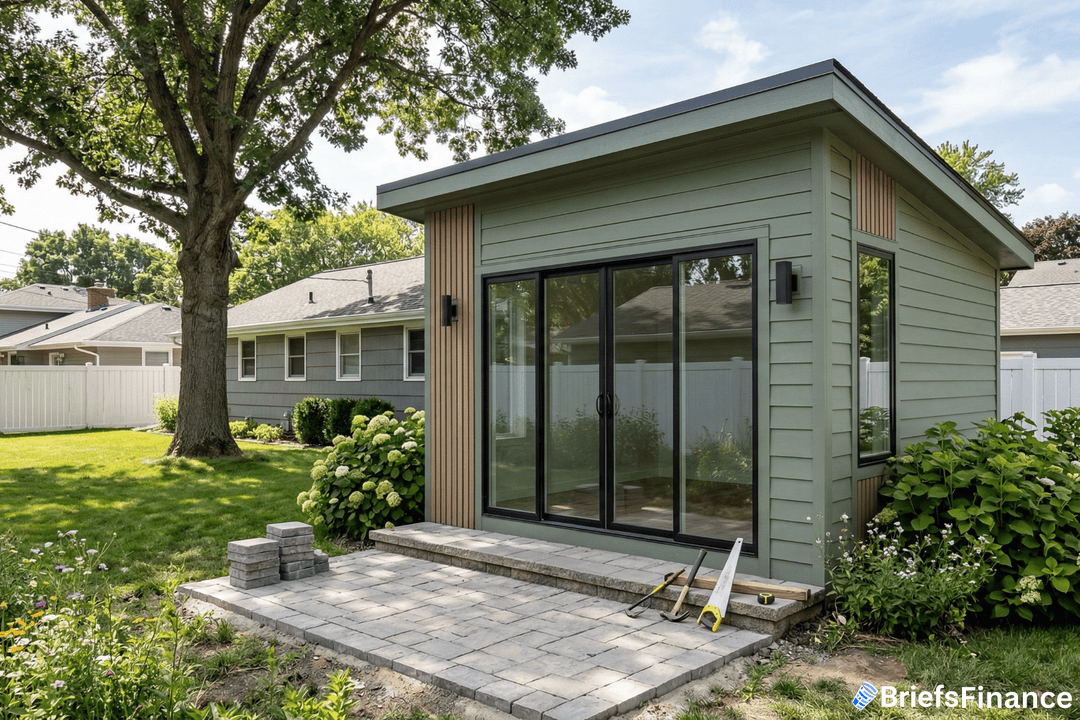
California's accessory dwelling units (ADUs - backyard cottages) now account for nearly half of all new single-family construction. That's a revolutionary shift in just five years.

Factory-built and prefab housing is growing faster than traditional stick-built construction. It's cheaper, faster, and appeals to builders stretched thin by labor shortages.

Why Mortgage Rates Set the Pace

Long-term rates are volatile because inflation keeps surprising everyone. When a 30-year mortgage costs 6.37% and price appreciation is uncertain, builders get cautious.

They're building smaller houses, mixed-income neighborhoods, and more conversions of dead office space. Remodeling is geared up for a multi-year upswing as existing homeowners improve instead of sell.

What to Watch

Whether the multifamily-to-single-family pipeline produces enough inventory to bring down prices. If remodeling holds momentum, you'll see less new construction and more renovation - which changes everything about supply, prices, and who can afford where.

Disclosure

Recent News

1 2 3 43

Get Market Briefs delivered to your inbox every morning for free!

No fluff. No noise. No politics. Just finance news you can read in 5 minutes.

Blogs

June 29, 2026
Portfolio Diversification: Why Putting All Your Eggs in One Basket Destroys Wealth
  • Real diversification means spreading investments across all 11 economic sectors plus bonds, alternatives, and cash so no single bet can sink the portfolio.
  • Different sectors perform at different times, so a diversified portfolio captures upswings while smoothing the brutal drawdowns that wipe out concentrated bets.
  • Total market index funds offer the simplest path to diversification, and annual rebalancing is what keeps the structure working over time.
Read More
June 29, 2026
Non Taxable Income: What It Is and Why It Matters
  • Non taxable income is money you receive that you don't owe income tax on.
  • The tax code treats workers, investors, and business owners very differently, and investors often come out ahead.
  • Learning how income is taxed is a quiet superpower for keeping more of what you earn.
Read More
June 29, 2026
Semiconductor Stocks: A Simple Guide for Investors
  • Semiconductor stocks are companies that design and make computer chips, the brains inside nearly every modern device.
  • The AI boom has turned chips into one of the market's most important and most watched groups.
  • They offer big growth potential, but come with high valuations and a notoriously cyclical history.
Read More
June 25, 2026
How Stocks Work: A Simple Guide for Beginners
  • A stock is a slice of ownership in a company - buy one, and you own a piece of the business.
  • You make money two ways: the share price rising over time, and dividends paid to shareholders.
  • The simplest path for most beginners is buying into the whole market through a low-cost index fund.
Read More
June 25, 2026
Stop Loss vs Stop Limit: What's the Difference?
  • A stop loss order sells your stock once it hits a trigger price, prioritizing getting you out.
  • A stop limit order only sells within a price range you set, prioritizing price over a guaranteed exit.
  • The trade-off: a stop loss almost always executes; a stop limit might not if the price moves too fast.
Read More
June 25, 2026
Energy Stocks: A Simple Guide for Investors
  • Energy stocks are companies that produce and supply the power the world runs on, from oil and gas to newer sources.
  • They make up one of the 11 sectors of the market and tend to move with energy prices and big-picture shifts.
  • Like any sector, the key is diversification and understanding the forces driving demand.
Read More
June 18, 2026
What Is a Stop Loss Order? A Simple Guide
  • A stop loss order automatically sells a stock once it falls to a price you set.
  • It's a tool to cap losses or lock in gains without watching the market all day.
  • It works best for active strategies, and can backfire if used carelessly on long-term holdings.
Read More
June 18, 2026
Best S&P 500 Index Fund: How to Choose One
  • The best S&P 500 index fund for most investors is simply the cheapest, most established one that tracks the index well.
  • Funds like VOO, IVV, and SPY all hold the same 500 companies, so the biggest difference is the fee.
  • Pick one, automate your buys, and let time do the heavy lifting.
Read More
June 17, 2026
What Are Penny Stocks? Risks and Rewards Explained
  • Penny stocks are very low-priced shares of very small companies, often trading for just a few dollars or less.
  • They promise huge gains but carry huge risks: low liquidity, high failure rates, and wild price swings.
  • Most investors are better served by quality companies and funds than by chasing cheap shares.
Read More
June 17, 2026
Best Stocks for Beginners With Little Money
  • The best stocks for beginners with little money usually aren't individual stocks at all - they're low-cost index funds.
  • You can start with $100 or less and use small, regular investments to build wealth over time.
  • Focus on diversification and consistency, not on picking the next big winner.
Read More
1 2 3 24
Share via
Copy link










