A Quiet Invasion That Sneaked Up on Everyone
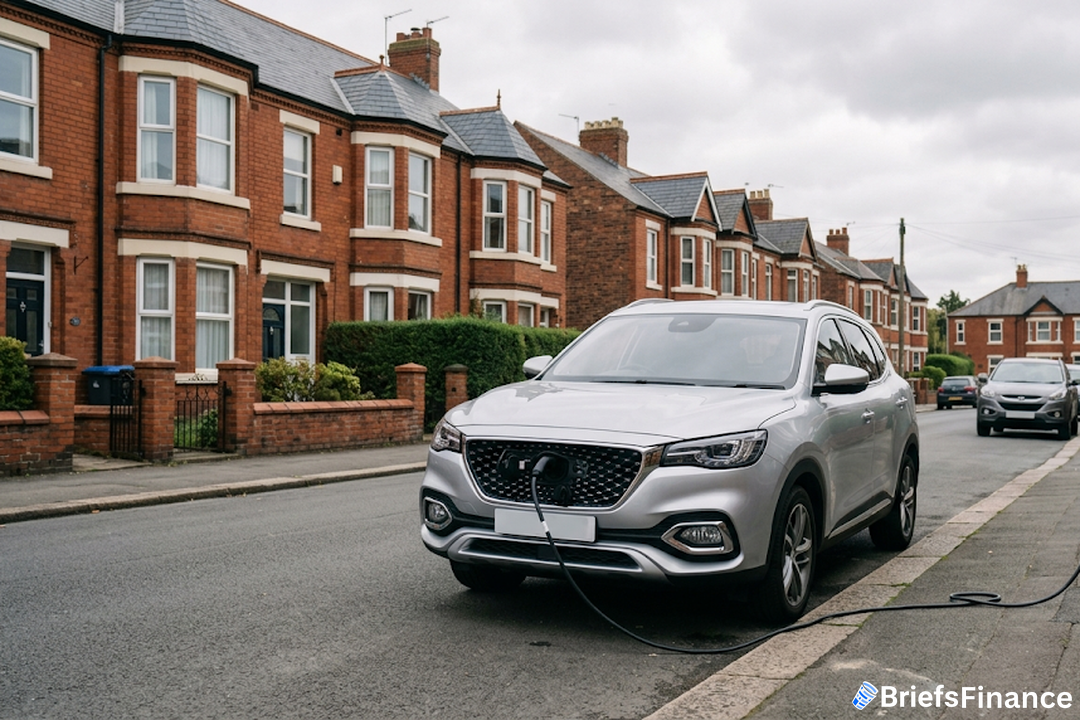
You might not have noticed, but Chinese car brands have been quietly filling British driveways. Will Roberts, an analyst at the consulting firm Benchmark, remembers the exact moment he realized how fast things had changed. "I remember noticing the first BYD crossing London Bridge a couple of years ago, and that was a big moment in a way," he said. "Ever since then, it's just become second nature."
What is driving it? Chinese domestic demand has slumped.
At the same time, Chinese auto exports shot up 72%. The math is simple: when fewer people buy at home, you sell abroad.
This export push is also fueled by generous government subsidies for Chinese manufacturers, which help them price vehicles far below Western rivals. Legacy automakers, including the United States' so-called Big 3, have complained about what they see as an unfair advantage.
Get the market news that matters in a five-minute read with Market Briefs, our free daily newsletter
Why British Buyers Are Switching
Talk to people who actually bought one, and you hear a very consistent story. Izzy Woodrow, a British consumer who recently bought a Geely, put it this way: "I've got a car that I enjoy driving, super comfy. It's very quiet and the fit and finish is great and the technology experience is enjoyable."
Chris and Tracy Smith, who bought a Geely from Lipscomb Cars in Maidstone, England, said the decision came down to value. "It's value for money, and what you're getting in equipment as opposed to some of the top brands that are selling for probably more money, but with less accessories on it," Chris Smith said.
The price gap is huge. A Volkswagen Tiguan plug-in hybrid manufactured in Germany costs just over £43,000 at UK dealerships. A comparable model from the Chinese automaker BYD, the Seal U, costs almost £10,000 less.
The catch: Chinese carmakers benefit from government subsidies at home, enabling them to sell at lower prices. Jon McNeill, a former board member of General Motors, put it bluntly: "The Chinese are coming into Europe with really attractive cars at really attractive prices with technology that sort of blows away what they can buy from a European manufacturer."
Why the UK Is a Perfect Target
Britain provides a favorable landing spot for Chinese automakers. Unlike the European Union, the UK does not charge extra tariffs on plug-in hybrid electric vehicles. That creates a wide-open door for Chinese brands like BYD and Geely, which specialize in hybrids and EVs.
John Panda-Noah, a dealer at Lipscomb Cars, says the cars sell themselves once people see them in person. "When they see the car, they're blown away by how good they look," he said.
Analyst Will Roberts sees the UK as a natural fit. "It becomes an excellent size market that's progressing well towards electrification and is in demand for some cheaper vehicles with that void to fill," he noted.
Join Market Briefs, our free daily newsletter, for a quick daily rundown of the markets