Free NewsletterPro Login
S&P 500 6,287 +0.42%
DOW 44,521 -0.18%
NASDAQ 21,103 +0.71%
S&P 500 +12.4%
Briefs Finance Fund +24.8%
JOIN THE FUND →

Hedge Funds Boost Oil Wagers Most in Three Years Amid Iran Crisis

Published Jul 17, 2026
[tts_player]
Share:
Summary:
  • Money managers boosted net-long Brent positions by 75,996 contracts to 357,154, the largest weekly increase since December 2016.
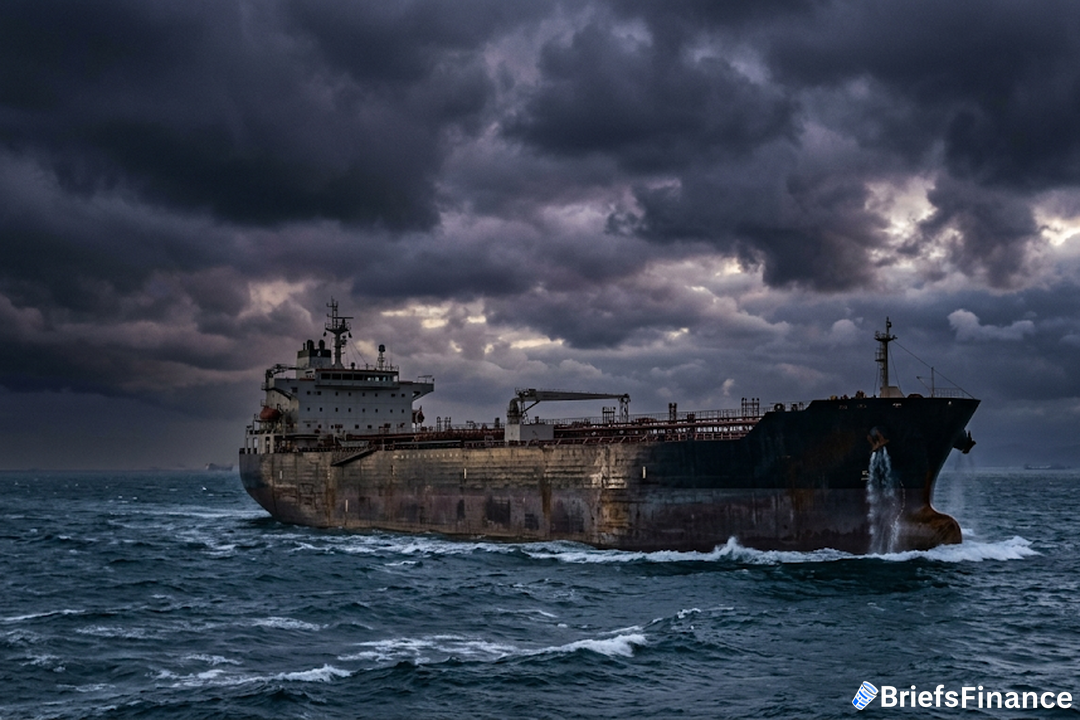
  • Escalating U.S.-Iran hostilities have effectively closed the Strait of Hormuz to most commercial traffic, threatening global oil supply.
  • Refining margins have surged to unprecedented levels amid curtailed diesel and gasoline supplies, driving hedge fund bullishness on diesel futures.

Market Shift

In just seven days, market sentiment flipped dramatically: investors went from worrying about an oversupplied market to scrambling to close out short positions after the United States launched fresh airstrikes on Iranian targets. Iran retaliated by attacking its Gulf neighbors and targeting commercial ships passing through the Strait of Hormuz, choking off a large share of tanker movements through this vital waterway over the last ten days. Crude prices climbed to their highest level in roughly a month during that period, recovering from a steep 30% decline in the second quarter.

For decades, the Strait of Hormuz - a conduit for about 20% of global petroleum - has been a source of tension, yet the present hostilities have reached a level never before seen. The combination of direct strikes on Iranian soil and retaliatory attacks on tankers has effectively closed the waterway to most commercial traffic, a scenario that oil markets had largely dismissed until now. "Market participants were caught completely off guard by the speed and severity of the escalation," said a senior analyst at a commodities brokerage.

Get the market news that matters in a five-minute read with Market Briefs, our free daily newsletter

Historically, such a rapid swing in speculative positioning is rare. The last time net-long positions surged by more than 75,000 contracts in a single week was in December 2016, when OPEC announced its first production cuts in eight years - a policy-driven move without the military confrontation currently unfolding.

The abrupt closure of the Strait carries immediate consequences for global oil supply. An estimated 17 million to 20 million barrels of crude and refined products transit the waterway each day. A prolonged disruption could push prices well above $100 per barrel, raising fears of a repeat of the 1973 oil crisis, and risks drawing in other regional powers, further destabilizing already skittish markets.

The Strait's history as a chokepoint extends back to the Iran-Iraq war in the 1980s, but never before have both the U.S. and Iran engaged in open military strikes on each other's territory. This direct confrontation has raised the risk of a prolonged closure, which would remove millions of barrels per day from global supply.

Refined Products Squeeze

Adding to the tightness, Russian fuel shipments have plummeted following repeated Ukrainian drone strikes on the nation's refineries, leading the Kremlin to impose a prohibition on diesel exports.

The disruption to Russian refining capacity has compounded the supply squeeze from the Strait of Hormuz. With Ukrainian drone strikes repeatedly targeting Russian refineries, Moscow's ban on diesel exports has removed another key source of fuel from global markets. This twin shock has sent diesel futures soaring, with hedge funds piling into bullish positions at the highest level since March. Analysts warn that the combination of a closed Strait and lost Russian refining capacity could lead to severe fuel shortages in Europe and Asia, particularly as summer driving season peaks.

Join Market Briefs, our free daily newsletter, for a quick daily rundown of the markets
Disclosure

Recent News

1 2 3 38

Get Market Briefs delivered to your inbox every morning for free!

No fluff. No noise. No politics. Just finance news you can read in 5 minutes.

Blogs

June 29, 2026
Portfolio Diversification: Why Putting All Your Eggs in One Basket Destroys Wealth
  • Real diversification means spreading investments across all 11 economic sectors plus bonds, alternatives, and cash so no single bet can sink the portfolio.
  • Different sectors perform at different times, so a diversified portfolio captures upswings while smoothing the brutal drawdowns that wipe out concentrated bets.
  • Total market index funds offer the simplest path to diversification, and annual rebalancing is what keeps the structure working over time.
Read More
June 29, 2026
Non Taxable Income: What It Is and Why It Matters
  • Non taxable income is money you receive that you don't owe income tax on.
  • The tax code treats workers, investors, and business owners very differently, and investors often come out ahead.
  • Learning how income is taxed is a quiet superpower for keeping more of what you earn.
Read More
June 29, 2026
Semiconductor Stocks: A Simple Guide for Investors
  • Semiconductor stocks are companies that design and make computer chips, the brains inside nearly every modern device.
  • The AI boom has turned chips into one of the market's most important and most watched groups.
  • They offer big growth potential, but come with high valuations and a notoriously cyclical history.
Read More
June 25, 2026
How Stocks Work: A Simple Guide for Beginners
  • A stock is a slice of ownership in a company - buy one, and you own a piece of the business.
  • You make money two ways: the share price rising over time, and dividends paid to shareholders.
  • The simplest path for most beginners is buying into the whole market through a low-cost index fund.
Read More
June 25, 2026
Stop Loss vs Stop Limit: What's the Difference?
  • A stop loss order sells your stock once it hits a trigger price, prioritizing getting you out.
  • A stop limit order only sells within a price range you set, prioritizing price over a guaranteed exit.
  • The trade-off: a stop loss almost always executes; a stop limit might not if the price moves too fast.
Read More
June 25, 2026
Energy Stocks: A Simple Guide for Investors
  • Energy stocks are companies that produce and supply the power the world runs on, from oil and gas to newer sources.
  • They make up one of the 11 sectors of the market and tend to move with energy prices and big-picture shifts.
  • Like any sector, the key is diversification and understanding the forces driving demand.
Read More
June 18, 2026
What Is a Stop Loss Order? A Simple Guide
  • A stop loss order automatically sells a stock once it falls to a price you set.
  • It's a tool to cap losses or lock in gains without watching the market all day.
  • It works best for active strategies, and can backfire if used carelessly on long-term holdings.
Read More
June 18, 2026
Best S&P 500 Index Fund: How to Choose One
  • The best S&P 500 index fund for most investors is simply the cheapest, most established one that tracks the index well.
  • Funds like VOO, IVV, and SPY all hold the same 500 companies, so the biggest difference is the fee.
  • Pick one, automate your buys, and let time do the heavy lifting.
Read More
June 17, 2026
What Are Penny Stocks? Risks and Rewards Explained
  • Penny stocks are very low-priced shares of very small companies, often trading for just a few dollars or less.
  • They promise huge gains but carry huge risks: low liquidity, high failure rates, and wild price swings.
  • Most investors are better served by quality companies and funds than by chasing cheap shares.
Read More
June 17, 2026
Best Stocks for Beginners With Little Money
  • The best stocks for beginners with little money usually aren't individual stocks at all - they're low-cost index funds.
  • You can start with $100 or less and use small, regular investments to build wealth over time.
  • Focus on diversification and consistency, not on picking the next big winner.
Read More
1 2 3 24
Share via
Copy link











