Market Shift
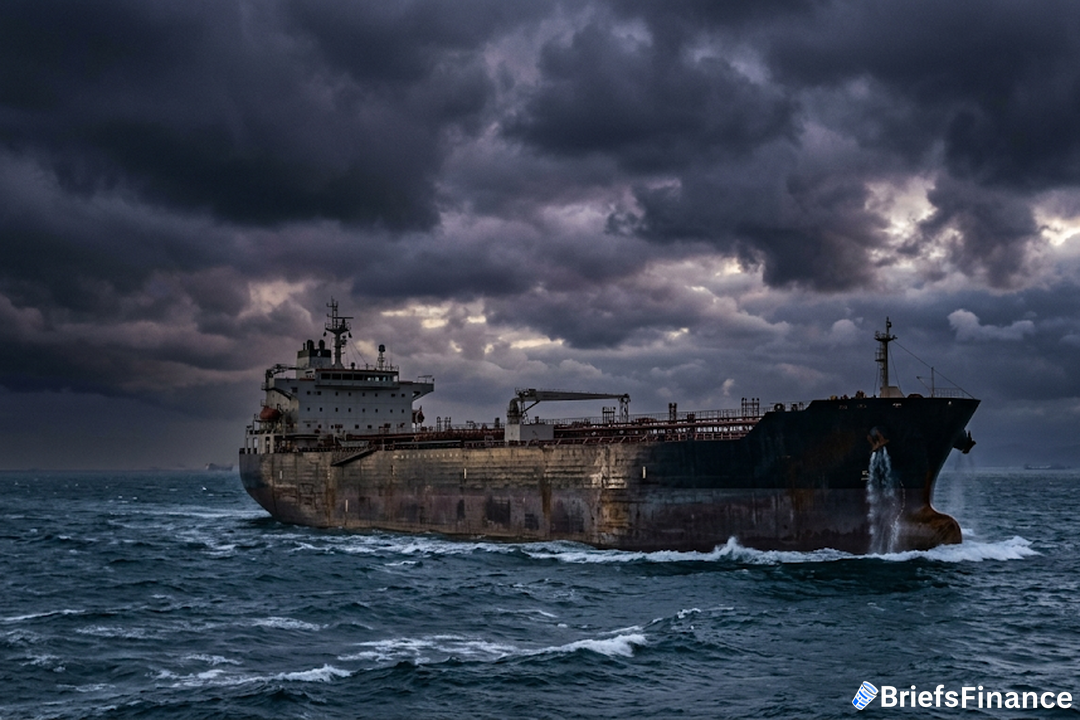
In just seven days, market sentiment flipped dramatically: investors went from worrying about an oversupplied market to scrambling to close out short positions after the United States launched fresh airstrikes on Iranian targets. Iran retaliated by attacking its Gulf neighbors and targeting commercial ships passing through the Strait of Hormuz, choking off a large share of tanker movements through this vital waterway over the last ten days. Crude prices climbed to their highest level in roughly a month during that period, recovering from a steep 30% decline in the second quarter.
For decades, the Strait of Hormuz - a conduit for about 20% of global petroleum - has been a source of tension, yet the present hostilities have reached a level never before seen. The combination of direct strikes on Iranian soil and retaliatory attacks on tankers has effectively closed the waterway to most commercial traffic, a scenario that oil markets had largely dismissed until now. "Market participants were caught completely off guard by the speed and severity of the escalation," said a senior analyst at a commodities brokerage.
Get the market news that matters in a five-minute read with Market Briefs, our free daily newsletter
Historically, such a rapid swing in speculative positioning is rare. The last time net-long positions surged by more than 75,000 contracts in a single week was in December 2016, when OPEC announced its first production cuts in eight years - a policy-driven move without the military confrontation currently unfolding.
The abrupt closure of the Strait carries immediate consequences for global oil supply. An estimated 17 million to 20 million barrels of crude and refined products transit the waterway each day. A prolonged disruption could push prices well above $100 per barrel, raising fears of a repeat of the 1973 oil crisis, and risks drawing in other regional powers, further destabilizing already skittish markets.
The Strait's history as a chokepoint extends back to the Iran-Iraq war in the 1980s, but never before have both the U.S. and Iran engaged in open military strikes on each other's territory. This direct confrontation has raised the risk of a prolonged closure, which would remove millions of barrels per day from global supply.
Refined Products Squeeze
Adding to the tightness, Russian fuel shipments have plummeted following repeated Ukrainian drone strikes on the nation's refineries, leading the Kremlin to impose a prohibition on diesel exports.
The disruption to Russian refining capacity has compounded the supply squeeze from the Strait of Hormuz. With Ukrainian drone strikes repeatedly targeting Russian refineries, Moscow's ban on diesel exports has removed another key source of fuel from global markets. This twin shock has sent diesel futures soaring, with hedge funds piling into bullish positions at the highest level since March. Analysts warn that the combination of a closed Strait and lost Russian refining capacity could lead to severe fuel shortages in Europe and Asia, particularly as summer driving season peaks.
Join Market Briefs, our free daily newsletter, for a quick daily rundown of the markets