Free NewsletterPro Login

Trump Cancels U.S. Trip To Pakistan For Iran Peace Talks

Published Apr 26, 2026
Share:
Summary:
  • Trump pulled Steve Witkoff and Jared Kushner from a planned Saturday trip to Pakistan to meet Iran's negotiators.
  • The U.S. naval blockade of Iranian ports stays in place until a deal gets signed.
  • Treasury Secretary Scott Bessent said Iran will have to start shutting in oil production within two to three days.

A peace deal would have cleared one of the biggest risks hanging over global oil, and instead Trump called the trip off before the plane left.

Iran's foreign minister had already flown out of Pakistan without meeting any Americans, while the blockade Trump put on Iranian ports last week is still up. So is everything investors have been worrying about for months.

What Trump And Iran Said

Trump pulled the plug on Truth Social, posting that there was "too much time wasted on traveling" and that "we have all the cards; they have none." He told reporters Iran improved its offer after the cancellation, just "not enough."

Witkoff, the president's special envoy, and Kushner, his son-in-law, were supposed to be in Islamabad for direct talks. Instead, Iran's chief negotiator, Foreign Minister Abbas Araghchi, met only with Pakistan's military chief and then left.

Two Pakistani officials told Reuters his delegation flew out Saturday, and the first round of talks two weeks ago, led on the U.S. side by Vice President JD Vance, ended with no deal either.

Why The Strait Of Hormuz Matters

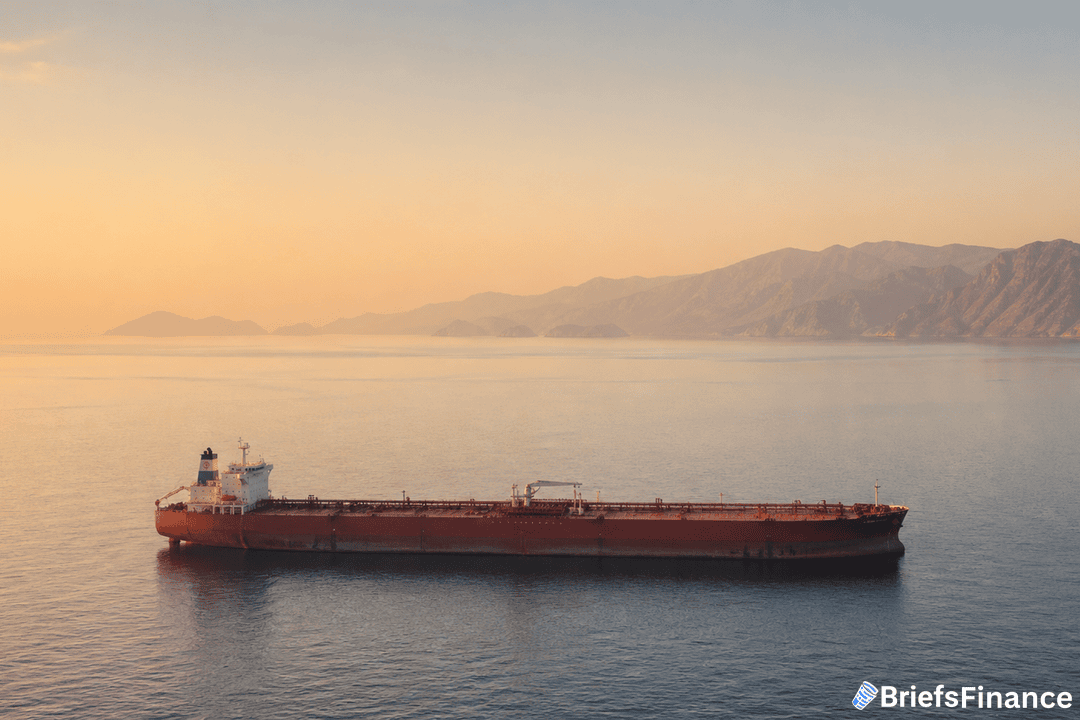
The fight is about the Strait of Hormuz, the shipping route that handles roughly a fifth of the world's oil. Iran has been threatening it for weeks, and the U.S. answered last week with a naval blockade of Iranian ports.

Trump told Reuters the blockade stays up until Iran signs something. Treasury Secretary Scott Bessent told the Associated Press that Iran will have to start shutting down oil wells "in the next two, three days" because nothing is moving out.

Bessent also said the U.S. will not renew a one-time waiver that let buyers grab Iranian oil already at sea, with the same answer for Russian oil at sea.

More Pressure On China

The U.S. piled on more pressure Friday by sanctioning Hengli Petrochemical, a Chinese "teapot" refinery that buys Iranian crude, plus around 40 vessels in Iran's shadow fleet.

China buys more than 80% of Iran's seaborne oil exports, so any move that touches Chinese banks would matter much more than one refinery.

What To Watch

The ceasefire announced April 7 is technically still alive after Trump extended it on Tuesday, but the diplomatic track just snapped. Oil markets care less about the ceasefire and more about whether Iranian crude can move, and right now it cannot.

Watch the Hengli sanctions and any move on Chinese banks. That is where this either ends or escalates.

Disclosure

Get Market Briefs delivered to your inbox every morning for free!

No fluff. No noise. No politics. Just finance news you can read in 5 minutes.

Blogs

May 30, 2026
Financial Literacy Books That Actually Build Wealth
  • The best financial literacy books don't just teach budgeting, they shift how you think about money.
  • Two classics stand out: The Intelligent Investor for valuing investments, and Rich Dad Poor Dad for the owner's mindset.
  • Reading is only step one. The real wealth comes from acting on what you learn.
Read More
May 30, 2026
What Is a Roth Conversion? A Simple Guide
  • A Roth conversion moves money from a traditional retirement account into a Roth account.
  • You pay taxes on the money now, in exchange for tax-free growth and withdrawals later.
  • It can pay off if you expect higher taxes or more income in the future, but the timing and tax hit matter a lot.
Read More
May 30, 2026
Trailing Stop Loss: How to Protect Your Gains
  • A trailing stop loss is an order that automatically sells a stock if it falls a set percentage from its recent high.
  • As the stock rises, the sell point rises with it, locking in gains while capping losses.
  • It's most useful for active strategies like momentum investing, not for long-term buy-and-hold.
Read More
May 30, 2026
5 Types of Wealth: Why Money Is Only One of Them
  • Real wealth is more than a bank balance. It spans your finances, health, mind, purpose, and freedom.
  • Money is powerful, but it amplifies the life you already have rather than fixing a broken one.
  • True financial wealth means your cash flow covers your expenses, so your money works while you live.
Read More
May 30, 2026
How to Invest in Private Equity: A Beginner's Guide
  • Private equity means investing in companies that aren't listed on the stock market.
  • Traditional private equity is built for experienced, high-net-worth investors with large amounts to invest.
  • New rules have opened more accessible paths, like startup crowdfunding and real estate deals, often starting around $100.
Read More
May 30, 2026
What Is a Call Option? A Simple Guide With Examples
  • A call option gives you the right to buy a stock at a set price by a set date.
  • Investors buy calls when they expect a stock to rise, using less money than buying the shares outright.
  • The most you can lose buying a call is the premium, but time works against you, so it's an advanced tool.
Read More
May 30, 2026
EBITDA Formula: How to Calculate It Step by Step
  • EBITDA stands for Earnings Before Interest, Taxes, Depreciation, and Amortization, a measure of a company's core profit.
  • The formula adds those four items back to net income to show what the underlying business earns.
  • Investors use EBITDA to compare companies and to judge how many times earnings a stock is selling for.
Read More
May 30, 2026
What Is a Stock Option? A Plain-English Guide
  • A stock option is a contract giving you the right, but not the obligation, to buy or sell a stock at a set price by a set date.
  • There are two types: calls (the right to buy) and puts (the right to sell).
  • Options are powerful but risky, so they suit investors who already have the basics down.
Read More
May 30, 2026
Put Option: What It Is and How It Works
  • A put option gives you the right to sell a stock at a set price by a set date.
  • Investors use puts to bet a stock will fall, or as insurance to protect shares they own.
  • The most you can lose buying a put is the premium you paid, which makes it a defined-risk tool.
Read More
May 30, 2026
Operating Margin: What It Is and How to Calculate It
  • Operating margin shows how much profit a company keeps from its core business after paying its running costs.
  • The formula is operating income divided by revenue, shown as a percent.
  • A strong, steady operating margin signals a well-run business that controls its costs.
Read More
1 2 3 22
Share via
Copy link










