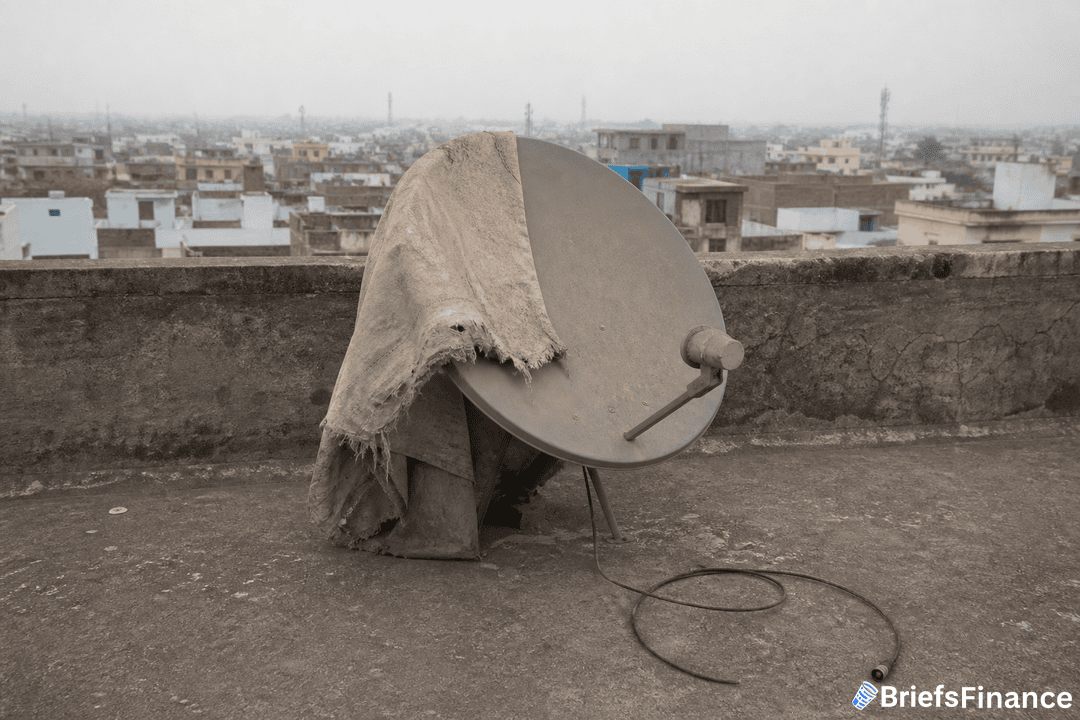
Elon Musk's satellite internet company, Starlink, has been trying to enter the Indian market, but regulatory hurdles have stalled its progress. India put Starlink's application on ice back in June, and that freeze remains in place. The country's government has cited national security concerns, which have not been publicly resolved.
Much of Starlink's future growth relies on connecting places that lack reliable coverage, and India represents one of the biggest potential markets for satellite broadband. However, the company cannot enter the market on its own - it needs approval from Indian officials who are balancing security risks against the potential benefits of expanded connectivity. Until a decision is made, millions of people in rural India continue to face slow or no internet access, and Starlink is forced to wait.
The Initial Pause
The hold was placed on Starlink's license application in June. National security concerns were the primary reason. The government has worried about how a foreign-owned satellite network might operate without local oversight. Starlink's pitch of connecting remote regions has not swayed regulators yet.
A few minutes a day is enough to stay genuinely informed about your money. Join Market Briefs free and start tomorrow.
India's regulatory environment for satellite services is still taking shape. The government has not set a public deadline for a decision, and foreign operators have to show that their networks can comply with local data and security rules. For Starlink, that means proving that its system can serve rural customers without creating a channel for unmonitored communication. Those requirements are the same criteria that have slowed other cross-border technology projects in the country, and they explain why the company's initial application was put aside.
What Happens Next
There is some movement on the licensing front. Starlink reapplied for a license this week, according to the Economic Times, and that application includes something the old one didn't: direct-to-device connectivity. That would let regular phones connect to the satellite network without special equipment, which could be significant for rural users who can't buy dedicated hardware.
The timeline is still unclear, and the political hurdles haven't disappeared. The government hasn't signaled any change in position, and the national security concerns that triggered the decision aren't easily resolved.
Investor Outlook
The long-term investment case for satellite internet rests on winning in huge underserved countries, and India offers more potential subscribers than almost any other market. But the gap between Musk's pitch and the reality of Indian bureaucracy isn't closing quickly. Until the government clears Starlink's license application, the company's ability to grow in India stays on hold. Meanwhile, rural India remains disconnected, and Starlink's parent company must look elsewhere for scale.
The resubmission with direct-to-device capability could be a strategic move, but it doesn't guarantee approval. Regulators may still view the technology as a security risk, especially if it enables communication without local infrastructure. The company has not publicly addressed these concerns beyond its initial pitch.
For investors, India remains a key piece of the long-term growth story for satellite internet. The market is too large to ignore, but the political and regulatory environment is unpredictable. Starlink's parent company has other markets to pursue, but India's potential is unmatched in terms of subscriber numbers. The wait could be prolonged, and there is no clear signal that a resolution is near.
Rates, prices and policy all end up in your budget eventually. Get the free Market Briefs daily newsletter and see it coming.