Free NewsletterPro Login

Hot Jobs Report Greets New Fed Chair Warsh

Published Jun 5, 2026
Share:
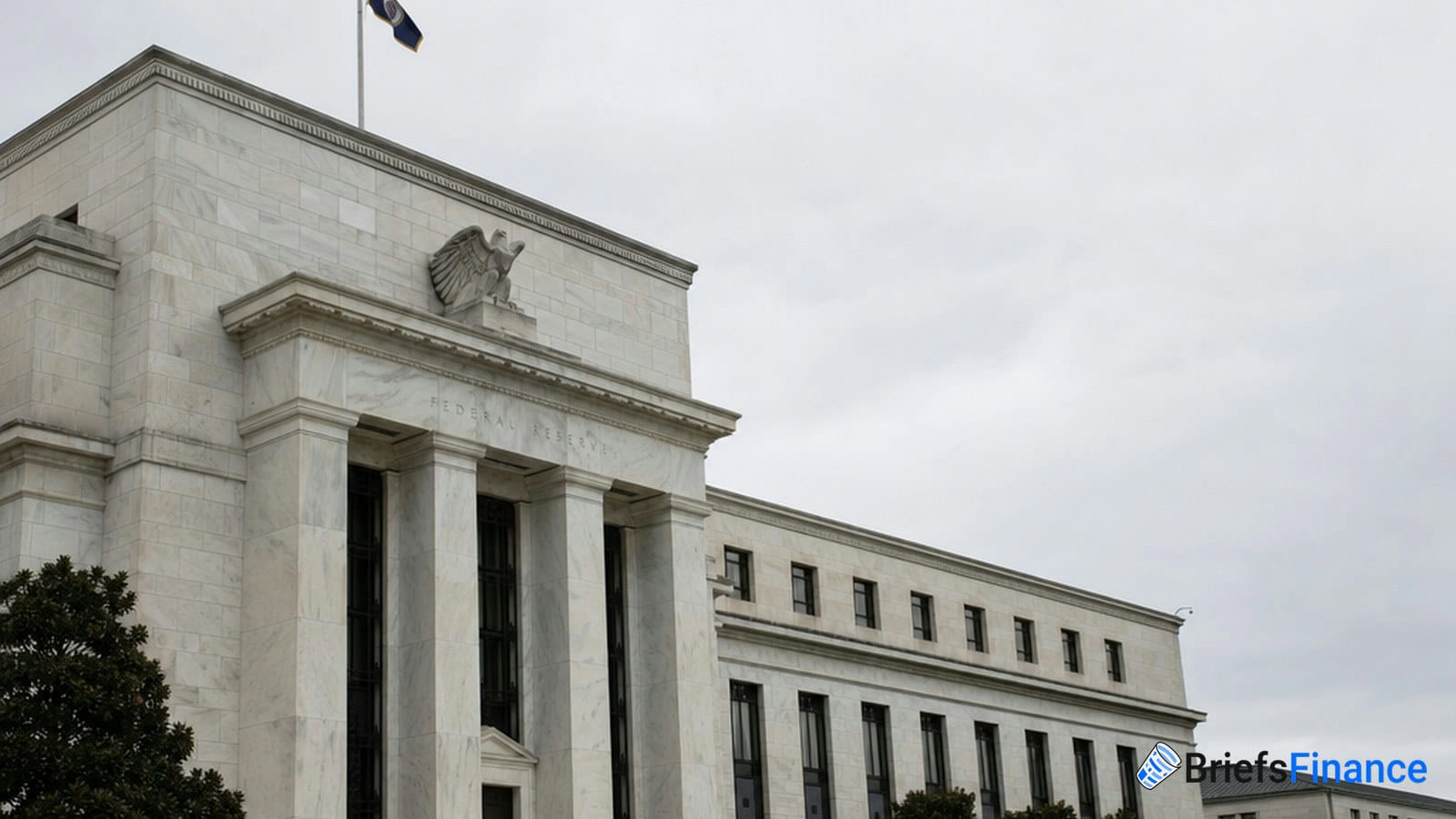
The exterior of a large, white stone government building with columns, an eagle emblem, and a flag on the roof.
Summary:
  • The latest U.S. jobs report came in stronger than expected, with average hourly earnings up 0.3% on the month, pushing bond yields higher and reducing the case for near-term rate cuts.
  • Kevin Warsh, a former Fed governor known for hawkish views on inflation, took over as chair last month and faces his first policy meeting on June 16-17 with the data pointing toward holding rates steady.
  • Markets will watch Warsh's tone and the Fed dot plot closely for signs of whether new leadership is shifting the committee in a more hawkish direction.

Kevin Warsh took over the Fed last month, and the first jobs report waiting on his desk came in hot - not the welcome most new chairs would pick.

Hiring came in well above what economists expected, pointing to a labor market that's still running warm despite months of higher rates.

That's a problem for anyone hoping for fast cuts.

The Jobs Number Came In Hawkish

Hawkish means the data is strong enough to keep the Fed cautious about cutting rates.

When a jobs report runs this hot, it tells the Fed the economy doesn't need help - and with no need for help, there's less reason to lower borrowing costs.

Wage growth came in line with expectations, with average hourly earnings up 0.3% on the month - enough to keep inflation pressure alive and give the Fed another reason to wait before cutting.

Bond markets reacted right away, with yields pushing higher as traders pulled back bets on a near-term cut.

The bottom line: the rate cuts that looked close just weeks ago slid further out the moment the report hit.

Warsh Walks In At An Awkward Moment

Kevin Warsh isn't new to the building - he served as a Fed governor from 2006 to 2011 and sat on the board through the 2008 financial crisis alongside then-Chair Ben Bernanke.

In the years since, he's been one of the louder hawkish voices in monetary policy debates, regularly warning about the long-term cost of easy money and loose policy.

His reputation: caution on inflation, skeptical of low rates, and not afraid to push back on the consensus.

What This Means For Markets

Higher-for-longer rates put pressure on the parts of the market that depend on cheap borrowing - small caps, real estate, and growth stocks with profits sitting years out.

Names that ran up on rate-cut hopes are the most exposed, since a Fed forced to stay on hold pulls the rug out from under the trade that drove them.

The flip side: banks and value stocks tend to hold up better when rates stay high.

How Warsh Plays It

A first meeting is part policy decision, part audition, with markets watching every word for clues about the new chair's bias.

If he holds rates steady and uses cautious language about inflation, the message is clear: cuts come later, not sooner.

A softer tone would surprise traders and likely set off a rally in rate-sensitive names, but anyone betting on that pivot is fighting a jobs report that just made the easing case much harder to argue.

What To Watch

The next Fed meeting on June 16-17 is the first real test, with Warsh's tone, the language in his press conference, and any pushback from other governors revealing how aggressive he plans to be.

Watch the dot plot too - the chart that shows where each Fed official sees rates heading - for any sign the committee is shifting hawkish under new leadership.

The jobs report set the table. Warsh decides what's on it.
Disclosure

Get Market Briefs delivered to your inbox every morning for free!

No fluff. No noise. No politics. Just finance news you can read in 5 minutes.

Blogs

May 30, 2026
Financial Literacy Books That Actually Build Wealth
  • The best financial literacy books don't just teach budgeting, they shift how you think about money.
  • Two classics stand out: The Intelligent Investor for valuing investments, and Rich Dad Poor Dad for the owner's mindset.
  • Reading is only step one. The real wealth comes from acting on what you learn.
Read More
May 30, 2026
What Is a Roth Conversion? A Simple Guide
  • A Roth conversion moves money from a traditional retirement account into a Roth account.
  • You pay taxes on the money now, in exchange for tax-free growth and withdrawals later.
  • It can pay off if you expect higher taxes or more income in the future, but the timing and tax hit matter a lot.
Read More
May 30, 2026
Trailing Stop Loss: How to Protect Your Gains
  • A trailing stop loss is an order that automatically sells a stock if it falls a set percentage from its recent high.
  • As the stock rises, the sell point rises with it, locking in gains while capping losses.
  • It's most useful for active strategies like momentum investing, not for long-term buy-and-hold.
Read More
May 30, 2026
5 Types of Wealth: Why Money Is Only One of Them
  • Real wealth is more than a bank balance. It spans your finances, health, mind, purpose, and freedom.
  • Money is powerful, but it amplifies the life you already have rather than fixing a broken one.
  • True financial wealth means your cash flow covers your expenses, so your money works while you live.
Read More
May 30, 2026
How to Invest in Private Equity: A Beginner's Guide
  • Private equity means investing in companies that aren't listed on the stock market.
  • Traditional private equity is built for experienced, high-net-worth investors with large amounts to invest.
  • New rules have opened more accessible paths, like startup crowdfunding and real estate deals, often starting around $100.
Read More
May 30, 2026
What Is a Call Option? A Simple Guide With Examples
  • A call option gives you the right to buy a stock at a set price by a set date.
  • Investors buy calls when they expect a stock to rise, using less money than buying the shares outright.
  • The most you can lose buying a call is the premium, but time works against you, so it's an advanced tool.
Read More
May 30, 2026
EBITDA Formula: How to Calculate It Step by Step
  • EBITDA stands for Earnings Before Interest, Taxes, Depreciation, and Amortization, a measure of a company's core profit.
  • The formula adds those four items back to net income to show what the underlying business earns.
  • Investors use EBITDA to compare companies and to judge how many times earnings a stock is selling for.
Read More
May 30, 2026
What Is a Stock Option? A Plain-English Guide
  • A stock option is a contract giving you the right, but not the obligation, to buy or sell a stock at a set price by a set date.
  • There are two types: calls (the right to buy) and puts (the right to sell).
  • Options are powerful but risky, so they suit investors who already have the basics down.
Read More
May 30, 2026
Put Option: What It Is and How It Works
  • A put option gives you the right to sell a stock at a set price by a set date.
  • Investors use puts to bet a stock will fall, or as insurance to protect shares they own.
  • The most you can lose buying a put is the premium you paid, which makes it a defined-risk tool.
Read More
May 30, 2026
Operating Margin: What It Is and How to Calculate It
  • Operating margin shows how much profit a company keeps from its core business after paying its running costs.
  • The formula is operating income divided by revenue, shown as a percent.
  • A strong, steady operating margin signals a well-run business that controls its costs.
Read More
1 2 3 22
Share via
Copy link











