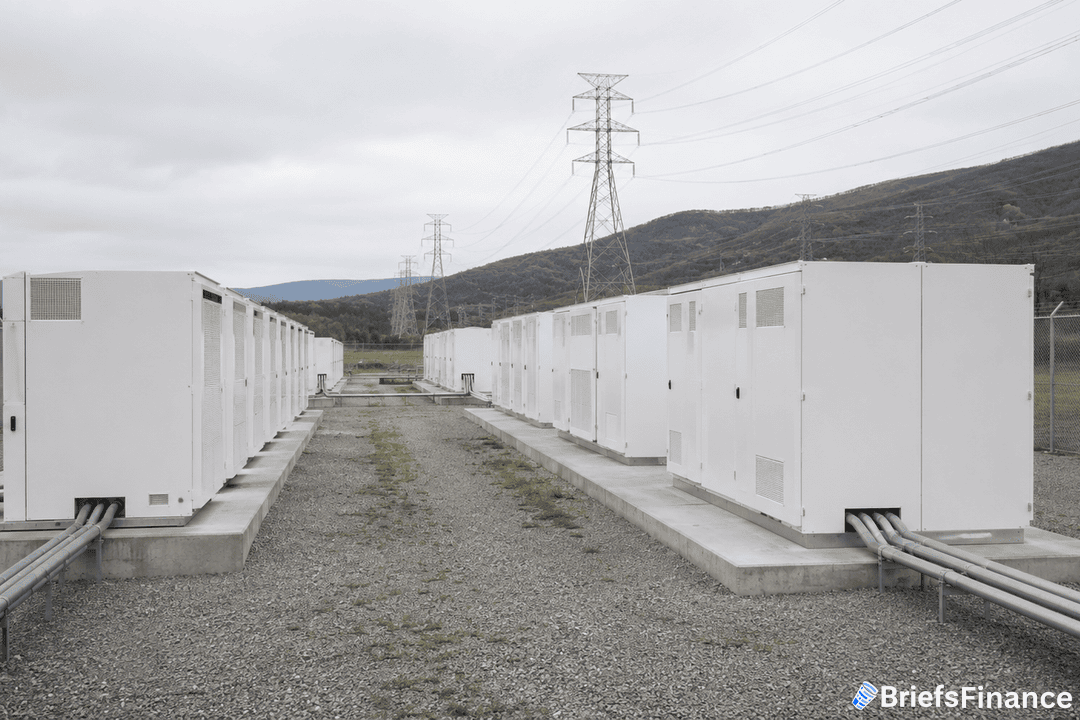
GM can't sell as many EVs as it hoped. So it found a new buyer for its batteries: the power grid.
On Tuesday, the carmaker said it is jumping into energy storage. It is one of the boldest battery bets in the business.
The pull behind it is simple. AI data centers need huge, steady amounts of power.
A Battery Almost Nobody Outside China Makes
GM is teaming up with a startup called Peak Energy. Together they will build sodium-ion batteries for big power projects.
It swaps costly metals for cheaper ones. So the batteries last longer and are far less likely to overheat.
The trade-off is that they are bigger and heavier. But for a power site, size matters less than cost.
On the grid, you can just add more space. In a car, you can't.
Outside of China, no other carmaker has said it will build them, according to TechCrunch.
GM has put $900 million toward new battery types, plus a new research center.
That is a big bet for a car firm. It shows how much the grid market matters now.
Every morning, Market Briefs explains what bets like this mean for your money, in five minutes, plus a free investing masterclass when you join.
The Best Part Is The Part That's Not There
Normal battery farms need cooling and fire gear. Peak's systems skip both, because sodium-ion doesn't overheat easily.
Less hardware means lower cost and less upkeep. One GM exec put the idea simply: cut the part, cut the problem.
Fewer parts also means fewer things that can break.
The first GM cells aren't due until 2028. Until then, GM will sell a different battery type to LG for its storage.
LG already builds EV batteries with GM. So the two are not strangers.
Why Carmakers Keep Showing Up In The Power Business
GM isn't alone here. Battery recycler Redwood Materials and Ford have both moved into grid storage too.
The reason is plain. Power is the new gold rush, and batteries are the picks and shovels.
A battery works like a shock absorber for the grid. It soaks up the bumps when demand jumps.
That is why these bets line up with AI's growing power demand.
Redwood already runs a 12-megawatt battery system at a data center in Sparks, Nevada. It gives old EV packs a second life.
Data centers and factories use these batteries in different ways. Data centers smooth the swings from their chips, while factories shave peak bills and keep the lights on.
GM is also buying a used-battery system from Redwood for a Michigan plant. It expects to save about $3 million over the system's life.
This is the kind of quiet shift that turns into a market disruptor before most people notice.
Worth Noting
The grid needs cheap, safe storage. GM wants to build it at scale, and if the cost works, the rest will follow.
GM's cells are still years away. The real test is whether it can make them cheap enough to beat China.
For now, the firm that built its name on cars is quietly becoming a power player too.
Want to know which firms are moving into AI's supply chain? Read Market Briefs each weekday and get a free 45-minute investing course when you sign up.