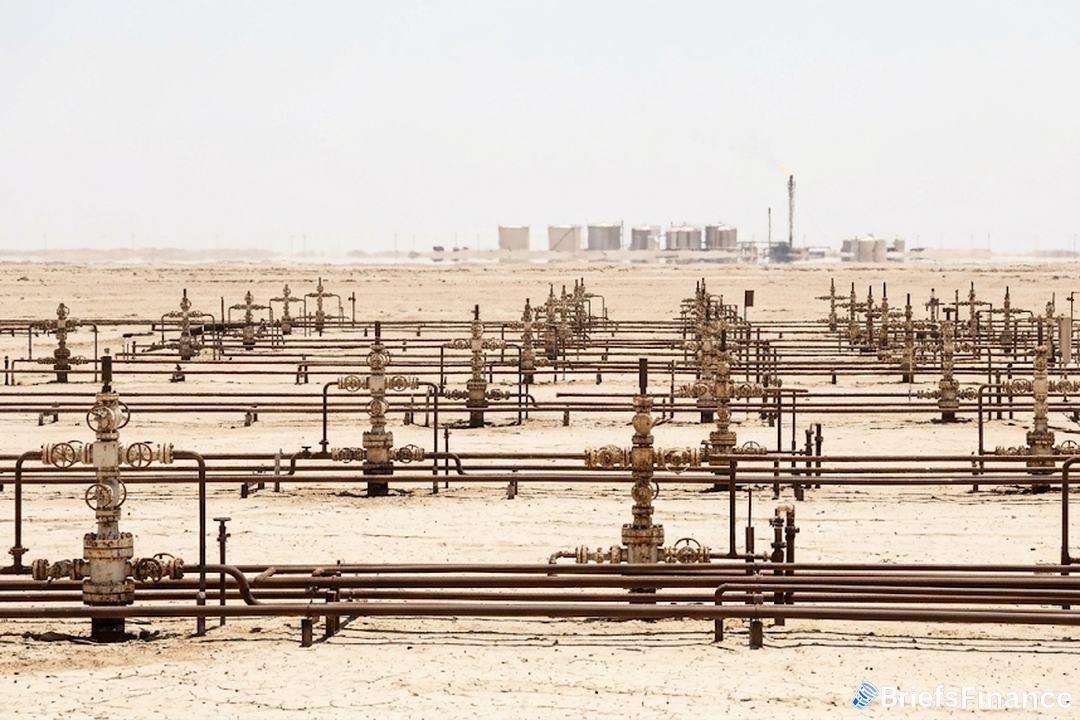
Oil Falls as the Market Ignores the Fighting
On Thursday, crude oil declined even as hostilities intensified across the Middle East and assaults on local energy facilities expanded. Despite the U.S. carrying out new strikes on Iran and news of a drone assault on ships at an Egyptian port, the price still fell.
In response to missile assaults on U.S. troops stationed in the area, Washington carried out a "heavy wave" of airstrikes on Iranian positions late Wednesday. The Islamic Revolutionary Guard Corps of Iran has warned of further escalation as a consequence. Separately, Egyptian authorities reported that two vessels came under drone fire at the Damietta port on the Mediterranean coast.
The ongoing conflict has disrupted oil markets and obstructed shipping through the Strait of Hormuz ever since hostilities erupted in late February, making this latest offensive just the newest development. Washington had paused its campaign of strikes against Iranian assets for a fortnight over the prior weekend, as envoys attempted to allow room for diplomatic negotiations.
Get the market news that matters in a five-minute read with Market Briefs, our free daily newsletter
The confrontation between the United States and Iran has been escalating since late February, when hostilities first flared after a drone attack on a US base. The Strait of Hormuz, through which about a fifth of global oil passes, has become a focal point, with shipping disruptions and increased insurance costs affecting crude flows.
Hours before the operation, President Donald Trump signaled the coming action, threatening to carry out severe attacks on Iran. "We'll be hitting them hard. They're going to get a beating," the president told a Fox News journalist early Wednesday.
According to U.S. Central Command, the strikes constituted a "powerful response" to Tuesday's failed Iranian assaults on American troops in the region. During the two-hour offensive, American forces struck numerous Islamic Revolutionary Guard Corps installations throughout Iran, including command centers, missile and drone hubs, coastal monitoring and defensive positions, and naval assets, Centcom reported.
The strike on the Port of Damietta marks an expansion of the conflict beyond the Persian Gulf and Strait of Hormuz, raising concerns about broader shipping disruptions.
While geopolitical tensions often bolster crude prices, the market's focus has shifted to the OPEC+ meeting and its expected supply increase. Traders appear to be pricing in the likelihood that additional barrels from OPEC+ will more than compensate for any potential supply losses from the Iran theater.
Why Traders Are Watching OPEC+ Instead
ING analysts stated in a Wednesday research note, "The big uncertainty through 2027 will be around the group's policy, with the potential for pushback on output quotas."
The OPEC+ decision to boost output reflects the group's strategy to balance global supply against fluctuating demand and ongoing geopolitical risks. Analysts note that while the additional barrels could help cool prices that have been volatile due to the Middle East conflict, the market remains sensitive to any further disruptions. This anticipated increase has already been priced in, contributing to the downward pressure on crude despite the heightened tensions.
Join Market Briefs, our free daily newsletter, for a quick daily rundown of the markets