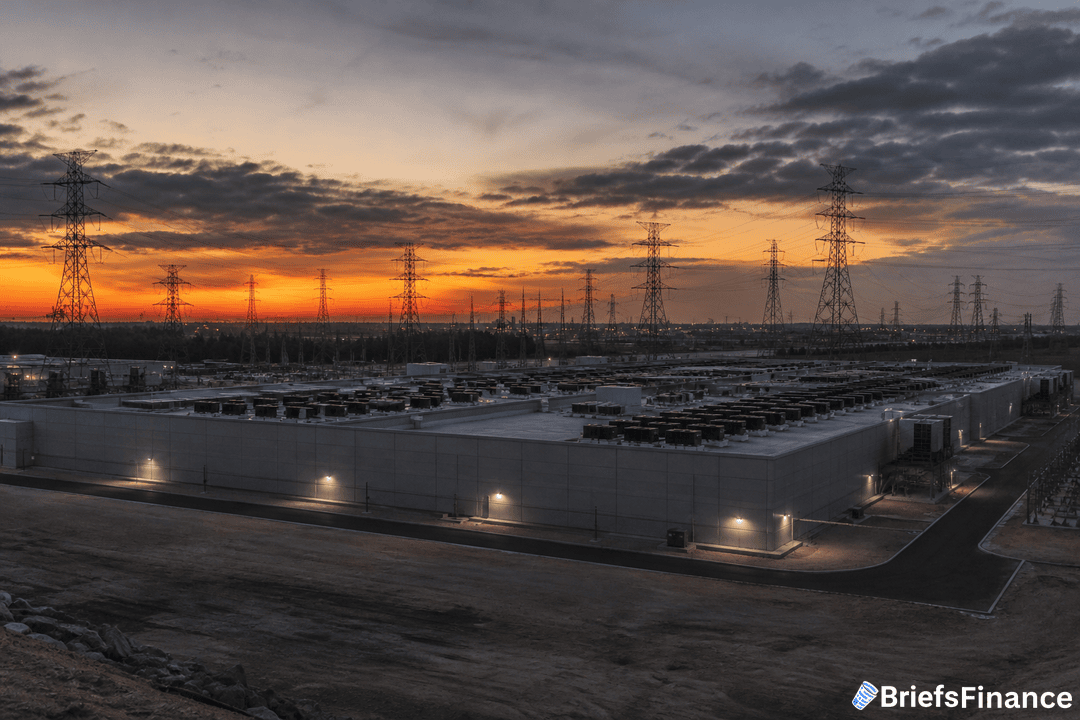
What the IEA says about data centers and power grids
Global data center electricity needs could roughly double by 2030 to around 1,000 terawatt-hours annually. That kind of step up would lean hard on power systems and slow new builds if connections lag.
The projection sits in the IEA's Stated Policies Scenario, which reflects measures that have been proposed but not yet enacted. The agency flags a heavy slate of projects in Texas, Virginia, Finland and the U.K., noting that in some areas, the total capacity waiting to plug in tops today's peak demand.
Where the bottlenecks show up
The IEA cites three practical choke points for new facilities: overtaxed supply chains, neighborhood resistance and not enough room on local grids. Without upgrades, networks risk crowding and shakier reliability, which would mean longer waits for connections.
Power producers could also be required to reduce generation when the system cannot accommodate demand. On the materials front, the IEA notes that copper, power cables and transformers are already in short supply, complicating efforts to expand or reinforce networks.
How much buildout is needed
According to the Stated Policies Scenario, the IEA estimates that by 2035 power networks will need to install 26 million kilometers of fresh transmission and distribution lines, while also upgrading or swapping out about 16 million kilometers of current lines by that year. It also projects peak electricity demand rising by 40% to 50% by 2035.
Under the Current Policies Scenario, which reflects rules already in force, grid spending is expected to increase by 75% over the next decade. The IEA also projects renewable generation growing 85% more in the coming decade than in the last one, with solar photovoltaics set to emerge as the largest single provider of electricity beginning in the late 2030s. By 2035, electricity would make up almost 30% of total final energy use worldwide, as opposed to 23% in the IEA's main scenarios.
When big systems evolve, staying informed matters, so sign up for the free Market Briefs newsletter for five-minute updates
The energy security angle
The IEA says the 2026 energy crisis could push countries to electrify faster as they try to reduce reliance on imported oil and gas. That shift lowers exposure to fuel imports but raises the bar for grid reliability.
It adds a shipping reality check: in 2025, before the Iran war, an average flow of 20 million barrels per day of crude and oil products transited the Strait of Hormuz, representing roughly 25% of the world's seaborne oil trade. The same corridor carried nearly one fifth of global LNG trade. As Executive Director Fatih Birol put it, "The pressures of the current crisis must not obscure the choices that will shape energy security, sustainability and prosperity for the decades to come."
What this means for your portfolio
The bottom line: if electricity demand expands and grids bulk up, capital will follow. Companies tied to transmission, distribution, and essential kit like transformers, cables and copper sit squarely in what the IEA calls "one of the biggest energy investment stories of the next decade." Renewable developers and solar manufacturers also feature, with solar projected to lead global generation from the late 2030s.
Markets and infrastructure change over time, and our free Market Briefs explains it all in five minutes or less