What the IEA reported
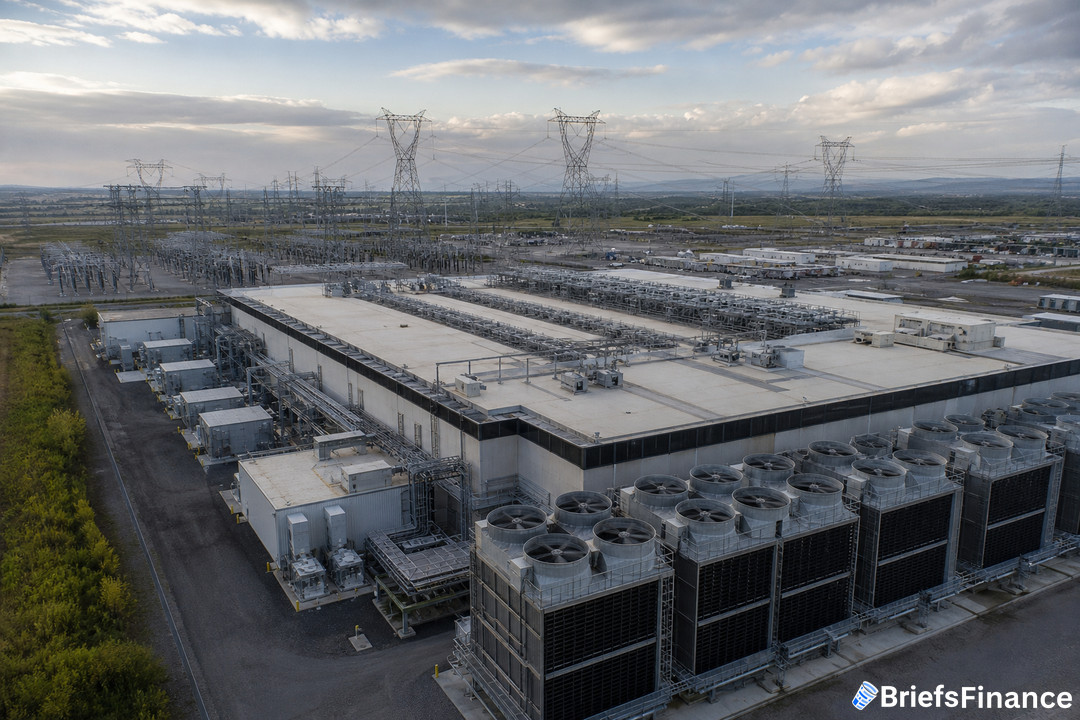
The International Energy Agency framed its warning under its Stated Policies Scenario, which reflects measures proposed but not yet enacted. In that view, data centers may draw around 1,000 terawatt-hours annually by 2030, close to a doubling from current consumption.
Texas, Virginia, Finland and the U.K. are singled out for hefty pipelines of planned facilities. In some places, the queue of data centers waiting to connect already tops today's peak electricity demand.
How power systems could feel the squeeze
Without beefed up networks, the IEA says power systems risk more congestion and lower reliability. That could mean longer waits for new projects to plug in and instances where generators have to dial back output when the system falls short.
The agency projects peak electricity demand will climb 40% to 50% by 2035. Under the Stated Policies Scenario, grids would need roughly 26 million kilometers of additional lines by 2035, and around 16 million kilometers of existing lines would have to be replaced or refurbished. The IEA notes that availability of copper, cables and transformers is already constrained.
When energy and infrastructure stories matter to your decisions, sign up for the free Market Briefs newsletter for a quick daily update
Bigger shifts in energy and what it means for your portfolio
Under the Current Policies Scenario, which reflects rules already in force, grid spending is projected to jump 75% over the next decade. The IEA calls power networks "one of the biggest energy investment stories of the next decade."
The agency expects renewable generation to expand 85% more in the coming decade than in the last one, with solar photovoltaics set to take the lead as the top electricity source beginning in the late 2030s. In the IEA's main scenarios, electricity's share of final energy use would near 30% by 2035, rising from 23%.
Energy security is another push. The IEA says the 2026 energy crisis could hasten electrification as countries try to rely less on imported oil and gas, which raises the bar for grid dependability. In 2025, prior to the Iran war, the Strait of Hormuz saw an average flow of 20 million barrels per day of crude and oil products, representing roughly one-quarter of worldwide seaborne oil movements.
It also handled nearly 20% of global LNG trade. As IEA Executive Director Fatih Birol put it, "The pressures of the current crisis must not obscure the choices that will shape energy security, sustainability and prosperity for the decades to come." The bottom line: data center buildouts, grid expansion and renewables deployment are converging themes that could reshape utilities, equipment makers and energy producers in your portfolio.
If you want clear context without the jargon, subscribe to Market Briefs for a concise daily summary you can read quickly