What changed and why people pushed back
Alberta is recalibrating after a two-year-old strategy promised to make it "the most attractive place to build artificial intelligence data centers in North America." A deal last year with Prime Minister Mark Carney's government tied to boosting energy development said Alberta would need more electricity to serve data centers, a task made easier by the province's large natural gas reserves.
But residents raised alarms about power bills, water use, and noise. That echoes mounting US pushback on data centers that helped Democrats sweep the midterm elections. The tension spilled into government town halls, notably a packed event in Lacombe - over 100 miles from the proposed site - at which Technology Minister Nate Glubish faced boos and jeers.
The new rules, in plain terms
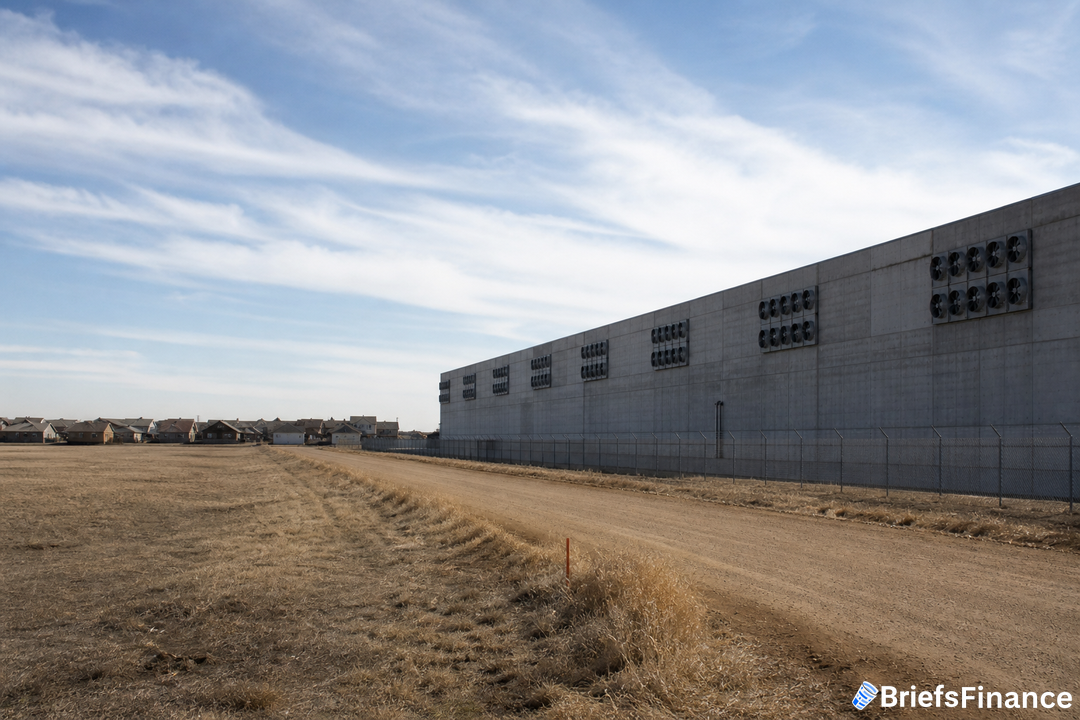
Any data center of 10 megawatts or more would have to be at least 600 meters from the nearest home. Large data centers would be prohibited on irrigated land, and about 14 million acres of high-quality farmland would be off limits to AI development.
Alberta's tougher stance follows an August decision by the Alberta Utilities Commission to reject the power plant required to serve a $10 billion center in Olds, roughly 50 miles north of Calgary, because it would sit too near communities.
Policy and technology affect daily communities, so get clear context in the free Market Briefs newsletter every morning
Costs, penalties and other measures
Under the bill introduced Wednesday, data center builders would be required to pay for their own power connections and would be barred from shifting those costs to Alberta ratepayers. In an emergency, centers would have to curb their own electricity use before the wider public is asked to conserve.
Beyond existing cleanup and remediation duties, the bill authorizes environmental-contamination penalties that can reach C$6 million ($4.2 million). Separately, the province proposed new rules for oil and gas producers to set aside money for every new well to cover future cleanup, with funds tied to each individual well even if it is sold or becomes orphaned.
Why this matters for your portfolio
The buildout had momentum. In July, Meta Platforms announced roughly $10 billion for its first Canadian data center, a 1 gigawatt site in Sturgeon County. Now, stricter setbacks, farmland protections, self-funded grid hookups, and steeper penalties add friction to new projects.
That could influence where capital flows across power generation, pipelines, and data center contractors, even as Alberta's natural gas remains a draw. The bottom line: approvals face higher hurdles and timelines may lengthen, which matters if you own energy, utility, or data-center-exposed names.
Big decisions often hinge on a few key facts, so sign up for free Market Briefs for quick daily explanations