What changed on Oxford Street
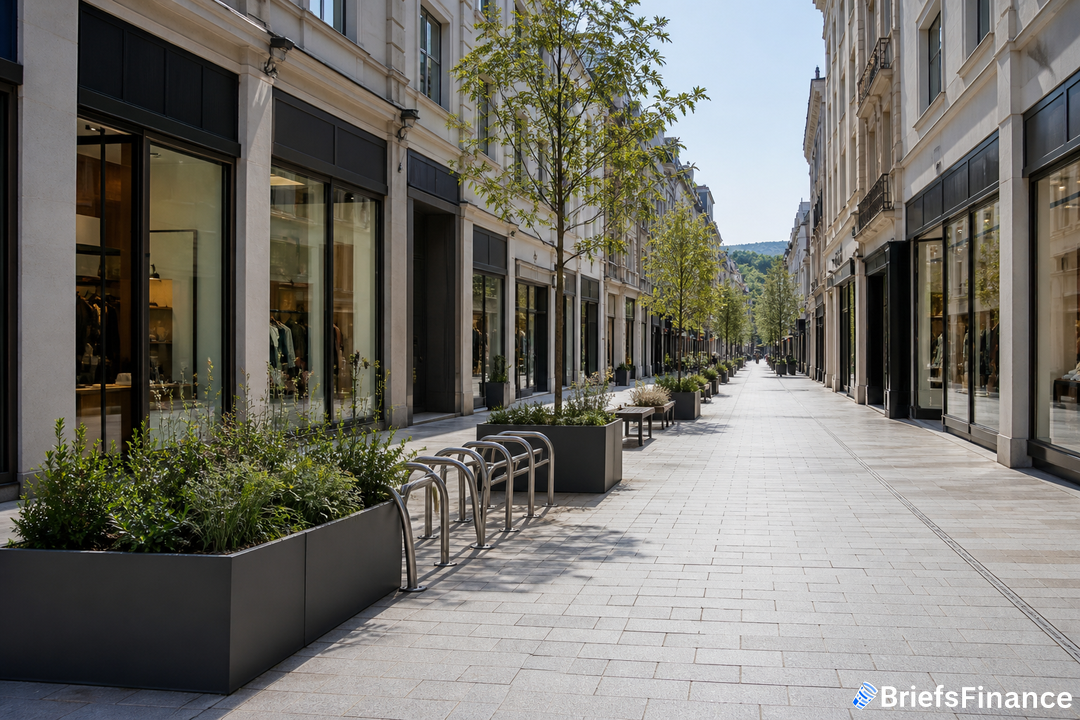
From Oct. 26, a long stretch of Oxford Street shifted to pedestrian-only, excluding motor vehicles and bikes. The goal is to pull shoppers back to a corridor that has trailed the wider West End's post-pandemic recovery and picked up a reputation for short-term tenants selling cheap items like candy.
Adyen's read from 40 stores shows momentum out of the gate: transactions climbed 19% in the week that kicked off Oct. 26 compared with both the previous week and a year earlier. Shoppers also spent more, with total value up 28% year over year and 12% from the prior week.
"Our data shows a promising start," said Nicole Olbe, Adyen's president for Europe, the Middle East and Africa. "With Black Friday and Christmas around the corner, the real test will be whether that momentum continues through the busiest shopping weeks of the year."
Local reaction and hiccups
Economists at the Greater London Authority estimate pedestrianization could lift economic output by as much as £82 million (about $111 million) a year while backing the creation of more than 700 additional jobs.
The kickoff managed a strong showing despite rainy weather that typically discourages trips to the shops. On the first wet evening without traffic, the street was lively as visitors tried the new setup. "I think it's a good idea, because the streets are really small anyway and it's a very polluted area," said Maya Thomas, who works nearby as a sales assistant. "I don't think it's an enjoyable experience with the cars and the buses." Student Annie Clark welcomed the timing ahead of the holidays but said it is still clearly in progress, pointing to temporary barriers and a road layout not yet updated.
Changes in how people shop can open new patterns for attentive investors to study. We're hosting our first ever investor livestream on 11/17 to show you how to use ChatGPT and Claude to invest like a pro, hosted by Briefs Finance CEO Jaspreet Singh. Save your seat.
The rollout has not been without friction. Some cyclists and e-bike riders continued using the pedestrianized section despite the ban, which led police to instruct riders to get off and walk. Hundreds of cyclists turned out last Friday evening to protest the restriction.
What's next and why it matters for your portfolio
Near-term upgrades call for more trees and two new public squares by spring, with further improvements planned after that. The full transformation is budgeted at about £150 million.
For investors in UK retail and West End property, this is a live test of whether pedestrian zones translate into higher footfall and bigger baskets. The bottom line: if these gains stick through Black Friday and Christmas, Oxford Street's reboot could offer a playbook for other high streets - and ripple through retailers, payments platforms and landlords alike.
Smart investors quietly combine human insight with new tools to find small advantages. On 11/17, our CEO Jaspreet Singh goes live for our first ever investor livestream on how to use ChatGPT and Claude to invest like a pro. Register to join him.