The numbers: a wider gap as oil money drops
Saudi Arabia booked a third-quarter deficit of 84 billion riyals, or $22.4 billion, according to a Tuesday release from the Finance Ministry. That shortfall was about 145% larger than in the prior quarter.
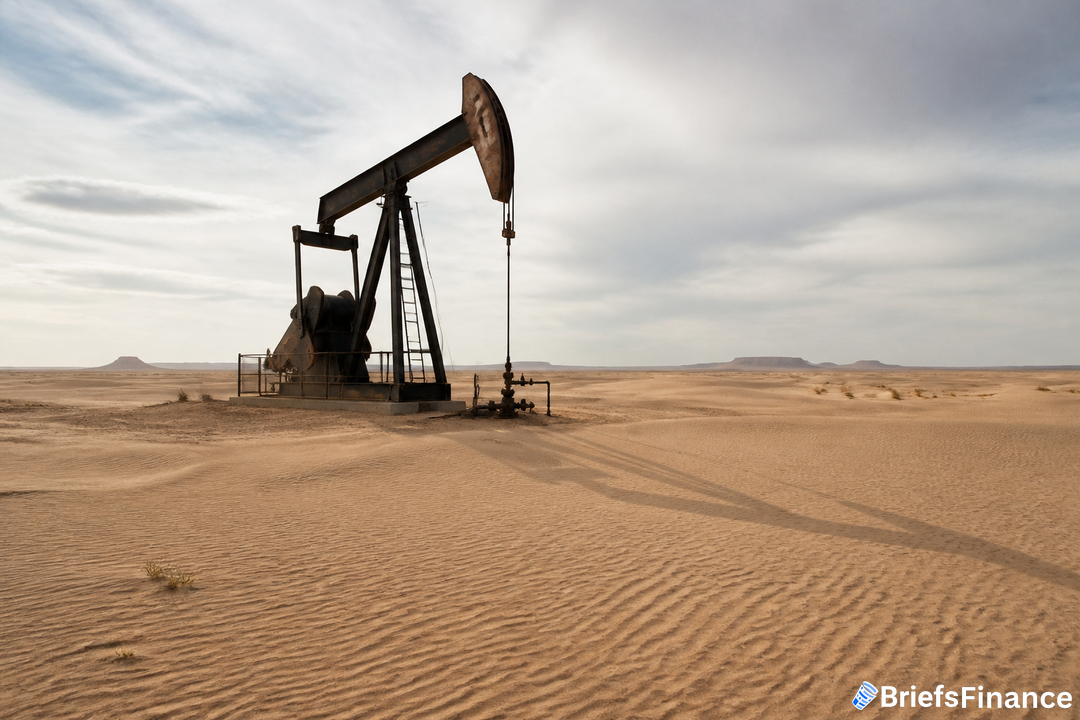
Oil income sank almost 40% to roughly 116 billion riyals, marking the lowest quarterly haul since 2020. Non-oil revenue eased about 7%, and total outlays were down 8%. The broader economy also shrank by 3.8% in the same period, with most of the hit coming from weaker oil activity.
Why Aramco payments mattered
Economists Monica Malik at Abu Dhabi Commercial Bank and Tim Callen at the Arab Gulf States Institute said shifts in government take from Aramco explain part of the oil revenue slide. Callen noted that Aramco's royalty payments decline when the average price it actually receives for crude is lower, as it was in the third quarter, and that income tax elements also pulled receipts down. Callen, a former head of the IMF mission for Saudi Arabia, said oil revenues should "rebound strongly" in the fourth quarter, aided by firmer prices and bigger Aramco royalty payments.
Malik said the third-quarter oil take was softer than she expected based on market conditions but aligned with the timing of Aramco's payments to the state. Her warning: "This places risks to a wider deficit than we are currently forecasting."
War strain, export workarounds, and prices
The bigger deficit highlights fiscal pressure as the US-Iran war disrupts crude exports and lifts wartime spending. The conflict began on Feb. 28 and has threatened Saudi infrastructure, interrupted output and, in practical terms, shut the Strait of Hormuz - the Persian Gulf route that carried most pre-war oil shipments.
To limit the damage, Saudi Arabia has relied on a backup pipeline to move oil to the Red Sea port of Yanbu. Exports are running near their highest levels of the war, and higher prices are helping. Brent crude in London most recently closed around $104 a barrel.
When revenue swings create uncertainty, investors benefit from clearer tools and insight. We're hosting our first ever investor livestream on 11/17 to show you how to use ChatGPT and Claude to invest like a pro, hosted by Briefs Finance CEO Jaspreet Singh. Save your seat.
What to watch next
Callen projects the 2026 fiscal deficit near 6% of GDP, above the government's 4.9% forecast, while ADCB's Malik sees 5.6%. At EFG Hermes, Mohamed Abu Basha, who leads macroeconomic analysis, calculates that if exports remain steady and Brent hovers around $105, Saudi Arabia might bring in roughly $8 billion additional oil revenue over October and November.
Spending plans are also moving up. Authorities have raised their projection, planning to allocate extra money to defense and to infrastructure to bolster the economy. Ziad Daoud put it bluntly: "The war has undermined cost-cutting efforts. Riyadh is spending more to repel attacks, launch strikes, and bypass Hormuz... Subsequent fighting with the Houthis has disrupted businesses and forced major event cancellations, likely adding to the financial toll."
Risks have risen since the quarter ended. In October, Houthi attacks intensified in Riyadh, leaving more than a dozen dead, leading to reduced air traffic and postponement of major showcase events. Even so, the IMF says Saudi fiscal buffers and alternative export routes are cushioning the blow and still judges the kingdom better placed than its Gulf neighbors to ride out the turmoil. The government says it will continue raising funds in both public and private markets to plug the deficit and remains ready to adjust spending as conditions evolve.
The bottom line for investors
The story threads together tightly for your portfolio. Oil receipts slid sharply alongside a 3.8% economic contraction, part of the drop linked to how Aramco pays the state and part to war-related disruptions. Exports have been rerouted via Yanbu, prices are supportive near $104, and analysts see a fourth-quarter revenue bounce. At the same time, higher planned spending and continued borrowing keep the fiscal mix fluid.
Learning how new technology sharpens decisions can help investors navigate shifting environments. On 11/17, our CEO Jaspreet Singh goes live for our first ever investor livestream on how to use ChatGPT and Claude to invest like a pro. Register to join him.