What the USDA decided
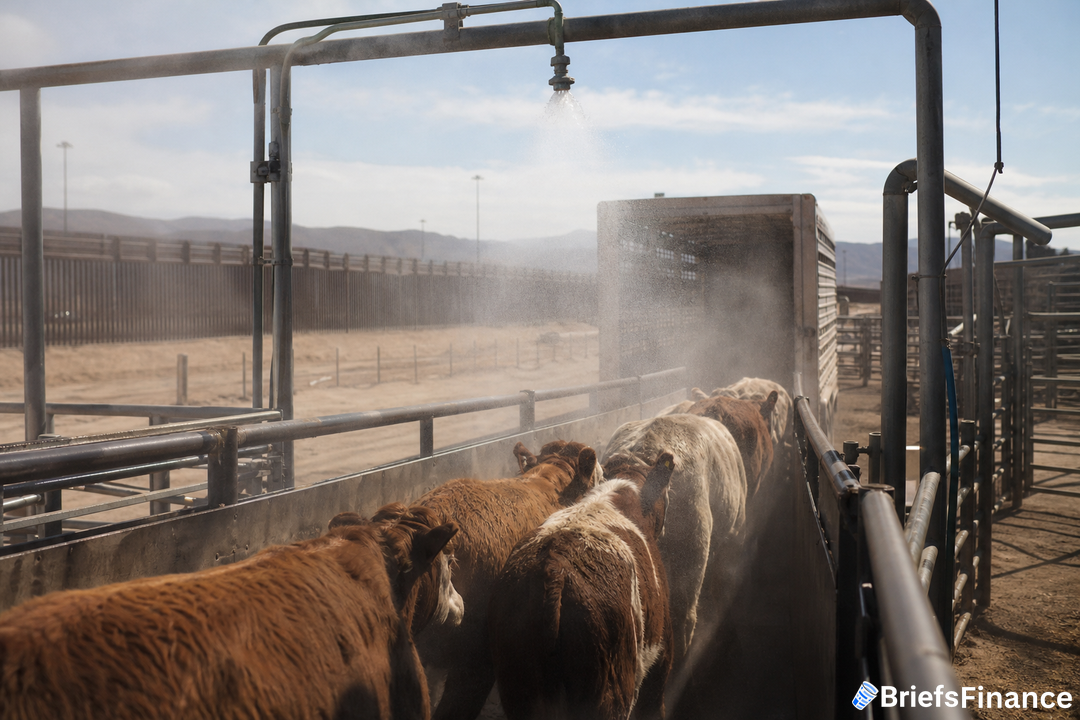
The USDA said shipments of Mexican cattle will continue through Arizona and New Mexico. The agency reported zero screwworm infestations in animals crossing into the US and described "vigilant, robust inspection protocols before animals even approach the US border."
Live cattle imports from Mexico resumed in late August after trade had been largely on hold since 2024 to curb the pest's spread. Agriculture Secretary Brooke Rollins said in mid September that, if the USDA was not "100% sure" about safety and protocols, the government would reevaluate keeping the reopening in place.
The outbreak and how it spreads
Screwworm detections accelerated in October, and the parasite can be fatal to cattle if untreated. Arizona confirmed its first detection this week. According to the USDA, since early June, 73 cases in domestic animals have been identified, with 21 still active.
The fly targets any warm blooded animal, but beef cattle face higher exposure because they graze outdoors. Larvae burrow into wounds. The insects typically do not travel far, so movement of animals - livestock or wildlife - is the main vector, though wind can push them short distances.
Smart investors pay attention to how policy and trade shape long term risk. We're hosting our first ever investor livestream on 11/17 to show you how to use ChatGPT and Claude to invest like a pro, hosted by Briefs Finance CEO Jaspreet Singh. Save your seat.
The USDA said it trapped a wild screwworm fly on Thursday in Dona Ana County, New Mexico. It is only the second found among the agency's more than 100 traps along the border.
Rancher response and the market angle
Ranchers backed reopening when cases were low, but some concerns have resurfaced with the spread. Arizona Cattle Growers' Association President Brian DeGanahl called Arizona's detection "not a shock" and urged the USDA to open its planned Douglas facility to release sterile flies as soon as possible. His top worry is wildlife transmission. He also praised current crossing checks as having "already got outstanding protocols for crossing these cattle," adding, "It's just almost impossible for an infected animal to come through, so we're not really worried about that."
Why it matters for your portfolio: uninterrupted flows through Douglas and Santa Teresa keep supply channels from Mexico open while the USDA ramps surveillance. Watch cattle processors, feed suppliers, and insurers for any shift in costs if wildlife spread forces tighter controls or temporary slowdowns.
Knowing where systems and inspections intersect with commerce can sharpen investing decisions. On 11/17, our CEO Jaspreet Singh goes live for our first ever investor livestream on how to use ChatGPT and Claude to invest like a pro. Register to join him.