What the industry is asking for
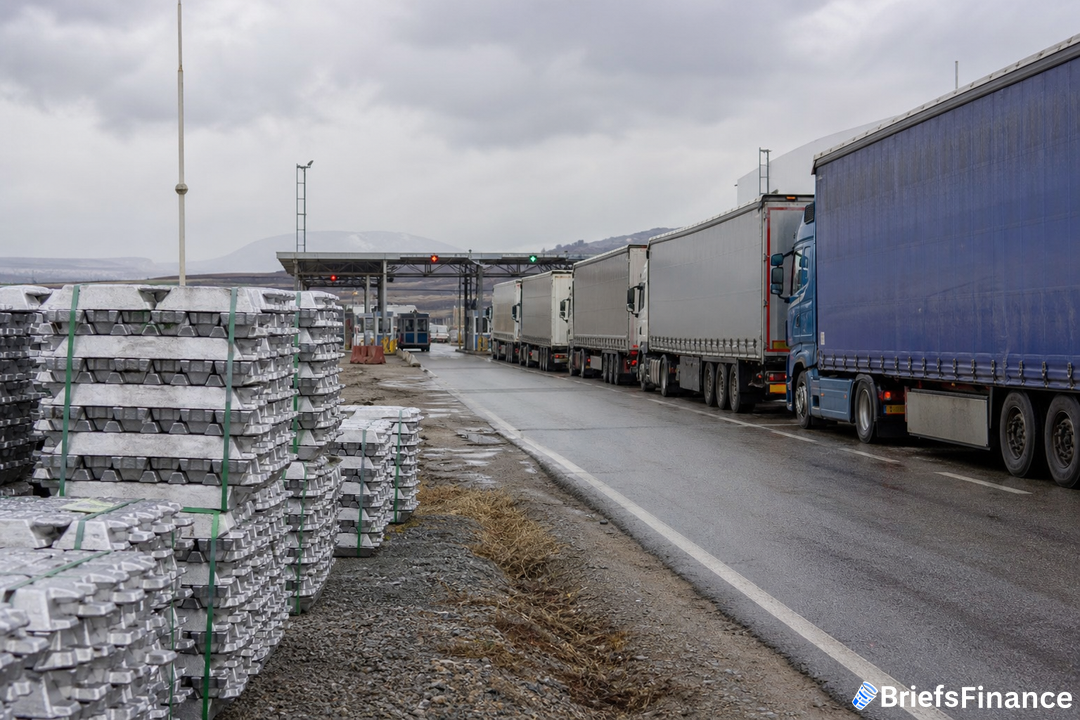
The Aluminum Association is pushing Ottawa and Mexico City to match whatever tariff the US imposes on aluminum from the rest of the world, so trade inside North America runs on identical terms. As CEO Chuck Johnson put it, "Whatever tariff the US has on aluminum, we need to see Canada and Mexico align on that tariff and implement it at their border with the rest of the world, so that we can trade equally within the North American region."
In addition, the group wants more stringent origin criteria, tougher smelting-and-casting requirements, and improved systems to trace aluminum at entry and throughout its movement within North America.
No stance on cutting the 50% levy
When pressed on whether to lower the 50% US tariff, Johnson responded that the association is not staking out a view. "We are staying out of the White House's business when it comes to the movement of the tariff rate itself," he said, adding the priority is making any rate workable for producers and buyers.
He also said the Section 232 framework has held up since its rollout in Trump's first term, while noting the rate and other pieces of the system could still be adjusted.
When policy shifts reshape industries, informed investors look for smarter tools to adapt. We're hosting our first ever investor livestream on 11/17 to show you how to use ChatGPT and Claude to invest like a pro, hosted by Briefs Finance CEO Jaspreet Singh. Save your seat.
The regional playbook taking shape
In August, together with its Canadian counterpart, the association called on Washington and Ottawa to end tariffs aimed at one another and to act in concert against competition from China and other non market economies. The logic is practical: imports supply about 60% of US primary aluminum demand, and Canada is by far the largest external source.
The group has long been skeptical of tariff rate quotas and generally prefers a simpler, uniform tariff setup. More complex schemes, Johnson warned, create more room for arbitrage, "and that's a situation that just makes brokers rich."
Why it matters for investors
North American policy alignment would narrow backdoor routes for low priced metal and could reduce volatility in regional premia - the extra price buyers pay over the global benchmark. Tougher origin rules and tighter monitoring would also shape which producers win contracts inside the bloc, affecting margins up and down the supply chain, from smelters to can makers.
Even steady markets reward investors who learn to use better tools and insight. On 11/17, our CEO Jaspreet Singh goes live for our first ever investor livestream on how to use ChatGPT and Claude to invest like a pro. Register to join him.