The deal and the pricing
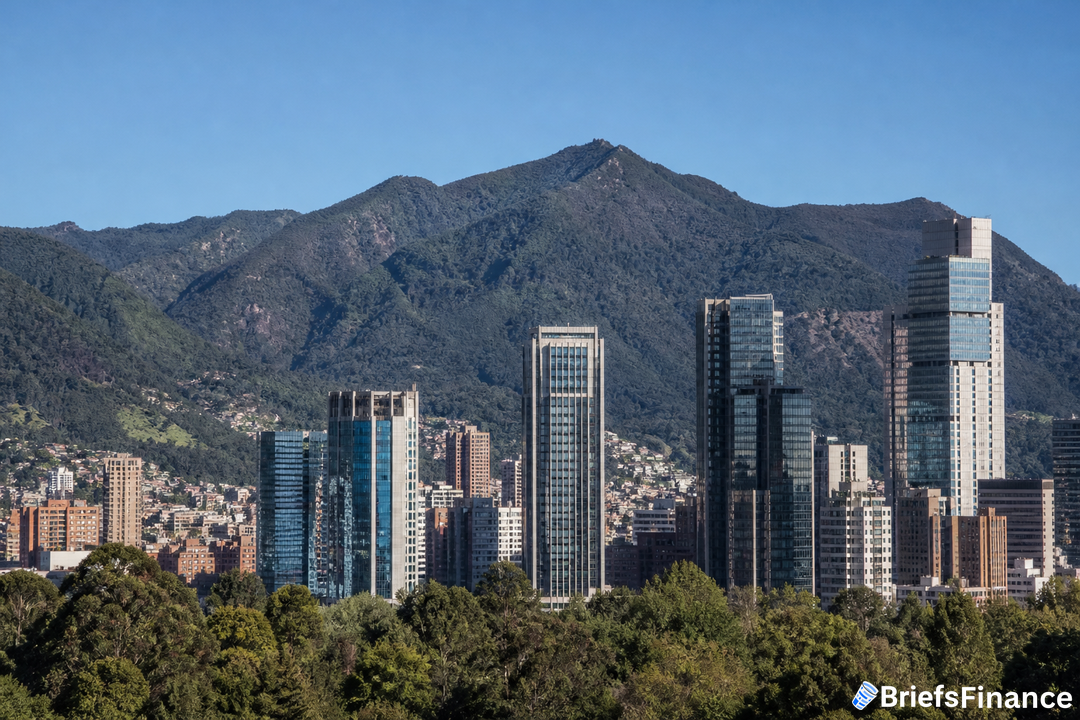
Bogota is back in the hard-currency market after a January pause, marketing notes maturing in 2032, 2037 and 2056. Early guidance pegs yields near 7.1%, 7.7% and 8.15% to 8.25% in that order, according to someone familiar who asked not to be named. BBVA, Itau and JPMorgan Chase & Co. are arranging the sale, the person said. On the day of the announcement, Colombia's outstanding dollar securities edged down.
Policy backdrop and budget politics
The issuance arrives a few weeks after senior officials began discussions with the International Monetary Fund to seek ways to address what they say is the largest fiscal gap on record. On Sunday, President Abelardo de la Espriella said a plan would be put forward shortly that includes steps to keep public finances sustainable.
That adjustment bill follows a bruising budget process that ended with a decree after the Senate and House could not align on a provision. In the fallout, de la Espriella dismissed Interior Minister Rodrigo Lara. "The government needs these resources, and therefore the relevant point will be which rates they manage to close and how much of 2027 needs they left covered," observed Juan David Ballen, who heads economic studies at Aval Asset Management.
When governments make financing choices, staying informed matters, so sign up for the free Market Briefs newsletter for quick context.
Funding needs and what to watch
Last month in New York, Colombia's top economic officials told investors they were hopeful Congress would sign off on the government's austerity plan, and added that next year the nation might borrow abroad in the neighborhood of $15 billion - roughly half of what the budget sets out. Barclays economist Alejandro Arreaza put the timing in context: "It's not a surprise, they were waiting for a window to" issue bonds. "They were aiming for $5 billion, but in the current market conditions and given they've found some resources through loans, it's possible they reduce the amount. What they need for this year is $3 billion, the rest is pre-financing for 2027."
The bottom line for investors
The current administration attributes today's imbalances to former President Gustavo Petro's decision to suspend spending limits in 2025, and it also cites prior measures - from aggressive buybacks to a Swiss franc total return swap - that offered short-term relief but increased future debt-service costs. For portfolios, that signals renewed supply, clearer pricing markers across the curve and policy moves aimed at stabilization, with 2027 needs already on the radar.
Amid policy shifts and bond decisions, a clear daily update helps, so try our free Market Briefs for concise insight.