Enrollment is up, but space is tight
Employers racing to add data centers, scale production and automate are hunting for trained workers, and that is showing up in the student pipelines at Universal Technical Institute and Lincoln Educational Services. At UTI, waitlists have formed in HVAC, welding and aviation, prompting some students to push their start dates to the next cohort, according to Todd Hitchcock, the company's executive vice president for strategy, growth and operations.
That bottleneck has given schools more room to set prices, but there is a trade off if higher tuition nudges applicants to cheaper paths. Lincoln reported a sharp decline in student starts last quarter, attributing it to unclear communication around total costs and financial aid, and it also thinks AI search tools could be directing prospects to cheaper community colleges.
Why scaling programs costs so much
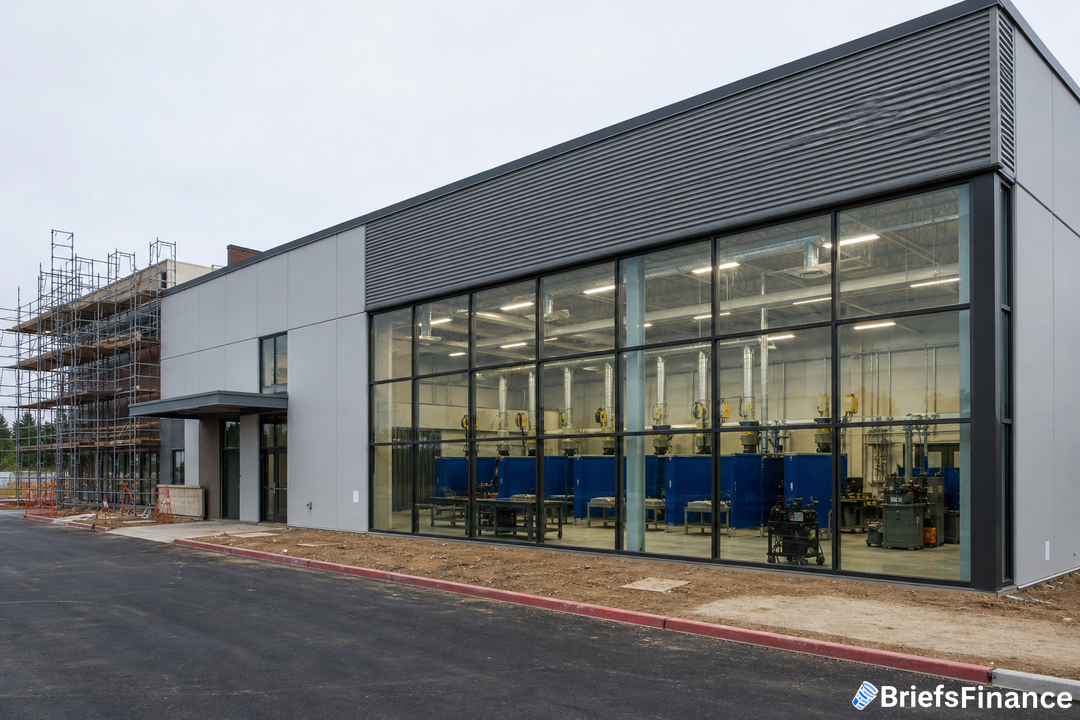
At Waukesha County Technical College in Wisconsin, Michael Shiels holds the role of associate vice provost overseeing academic affairs, and he said that building out hands-on programs is expensive, driven by pricey equipment, dedicated labs, and the need to pay instructors market-level wages outside the classroom. Even so, some investments can help efficiency over time. Hitchcock pointed to adding welding booths as an example of upfront cost that can lift margins, noting, "the margin improves overall because if you think about it, it's the same number of instructors." For now, though, rising expenses are outweighing those margin gains.
Employers are also building their own pipelines. Dycom Industries plans to open a Georgia training facility next year, and Carrier Global has launched training sites and committed to hiring and developing more workers. Lincoln's CEO Scott Shaw said, "Sometimes the AI models are simplistic, and what they look at is the cost," and the company is refreshing its website so AI models surface clearer information for would be students. Laura Ullrich, who leads economic research at Indeed, noted that some employers skip apprenticeships and continue to rely on community and technical colleges since specific courses are mandatory for licensing.
When industry shifts touch local communities, stay informed with the free Market Briefs newsletter that explains key developments simply.
Spending now, earnings later
Both UTI and Lincoln say they are investing to relieve capacity constraints, with stepped up capital spending to speed campus and program expansions and the option to purchase additional properties. A Bloomberg chart indicates capital expenditures for both are set to crest in 2026. That means near term spending will precede the revenue lift, and it could take several quarters to show up in earnings, said Eric Wold, an analyst at Texas Capital Securities.
The pressing challenge now is execution. Last quarter, UTI cut its outlook, pointing to too few admissions reps working in high schools and to student preferences moving toward shorter skilled-trade offerings instead of its longer, higher-profit automotive and diesel paths. The company has brought in more recruiters, but it takes time for new hires to ramp, Wold said, adding he moved UTI to hold in September. "The demand is there, but they need to be prepared to fill that."
What this means for your portfolio
These schools are front loading investment to unlock more seats, so watch for capex running hot while new labs, booths and recruiters come online. Key indicators: enrollment trends by program mix, any spillover from employer run training, and management commentary on pricing power versus student cost sensitivity. The bottom line: demand looks solid, but the earnings payoff is on a delay timer.
As industries evolve, get five-minute context each morning by signing up for Market Briefs in this newsletter.