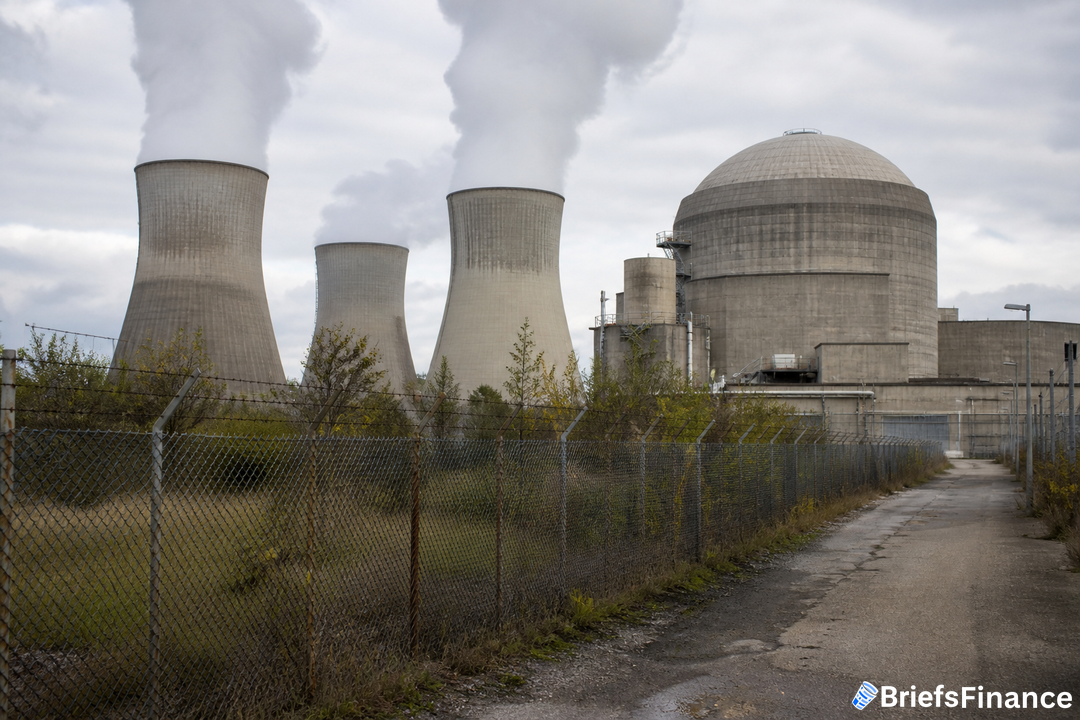
What Abadie told lawmakers
Pierre-Marie Abadie said, "In the current state of knowledge, ASNR hasn't identify obstacles to the extension of reactor operations beyond 60 years for which EDF wouldn't have levers of action," and added, "EDF's proposals are acceptable at this stage." He described those levers as deeper studies, changes in how plants are run, or adapting equipment.
He also said several technical areas still require significant work by EDF to prove these measures will meet safety requirements in future lifetime extension reviews.
Why it matters for EDF
The comments open a path for EDF to keep aging reactors running into the coming decades, supporting a fleet that underpins France's power supply and allows exports to neighboring countries. The utility is investing billions of euros annually to extend operating lives, even as the watchdog has previously cautioned that certain components, including reactor vessels, can be extremely difficult or in some cases impossible to replace.
Capacity plans on deck
EDF is also preparing to begin building no fewer than six new units to take the place of older plants and to meet a forecast increase in electricity consumption as France moves away from fossil fuels and attracts power-hungry data centers.
When energy and policy discussions matter to your planning, sign up for the free Market Briefs to stay informed
The bottom line
Regulators see potential solutions for operation beyond 60 years, but this is not a blanket approval and further technical groundwork is required to clear future safety reviews. For investors, that points to a possible longer runway for the existing nuclear fleet while new builds aim to bridge rising demand and eventual retirements.
Because longer horizons change how you think about risk, sign up for the free Market Briefs newsletter for a clear daily summary