Why Aramco wants government stockpile access
Speaking to Al Arabiya, Amin Nasser said Saudi Arabia's Energy Ministry has begun coordinating with foreign governments to open up their strategic reserves to Aramco so deliveries can remain stable during disruptions.
That push comes after a run of Houthi attacks on Saudi infrastructure, including drone strikes that took the kingdom's most important pipeline offline for several days in September.
Current buffers and the expansion plan
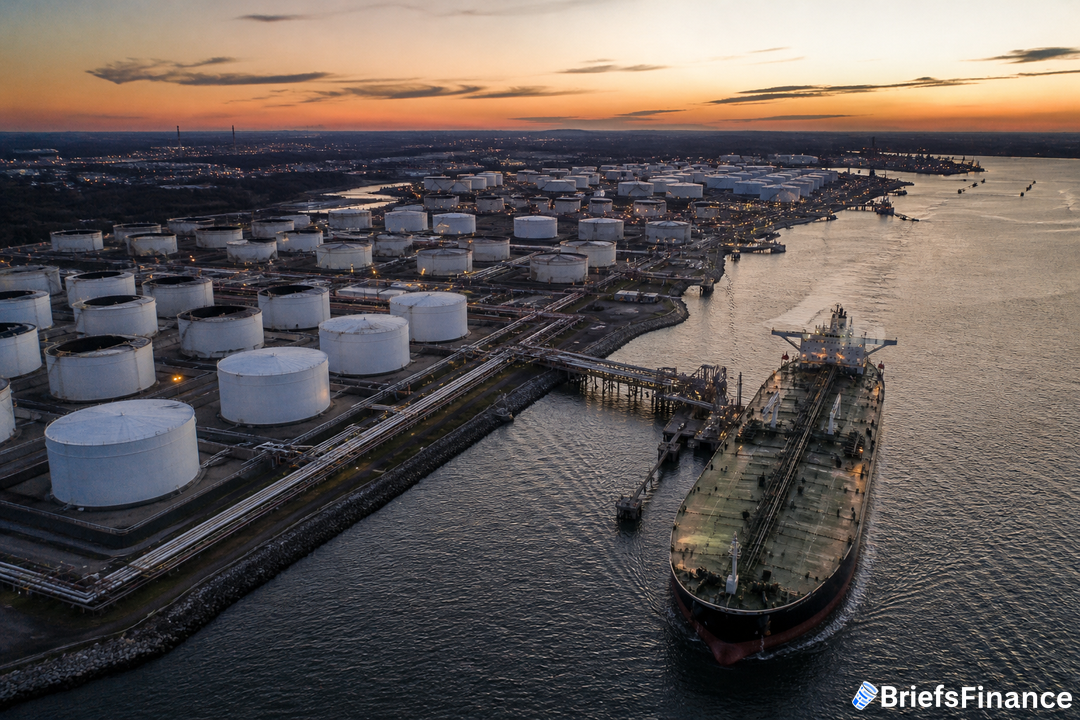
Brent crude traded above 112 dollars a barrel on Thursday as the risk of further interruptions to Saudi flows escalated. Aramco already keeps commercial inventories in South Korea, Japan, the Netherlands and at Egypt's Mediterranean hub of Sidi Kerir. "We have maintained these overseas inventories for many years, but we are working to expand them, particularly in Asia," Nasser said.
He added that Aramco aims to double its overseas capacity, without providing a timetable or the current capacity figure.
When energy and policy shifts touch daily life, get clear updates in the free Market Briefs newsletter for busy readers
Rerouting barrels and hardening the network
The company's export network centers on three primary routes - the Strait of Hormuz; the Red Sea and Bab el Mandeb; and Sidi Kerir on the Mediterranean. Responding to the conflict, Nasser said Aramco has begun engineering studies to raise the east-to-west transfer capacity - from the Persian Gulf to the Red Sea - to 10 million barrels a day, up from 7 million, while also advancing projects on additional corridors.
"We did not wait for the crisis to end," Nasser said. Building resilience, he added, takes "decades of investment and preparation."
Keeping up with energy and market signals takes time, so sign up for the free Market Briefs newsletter today