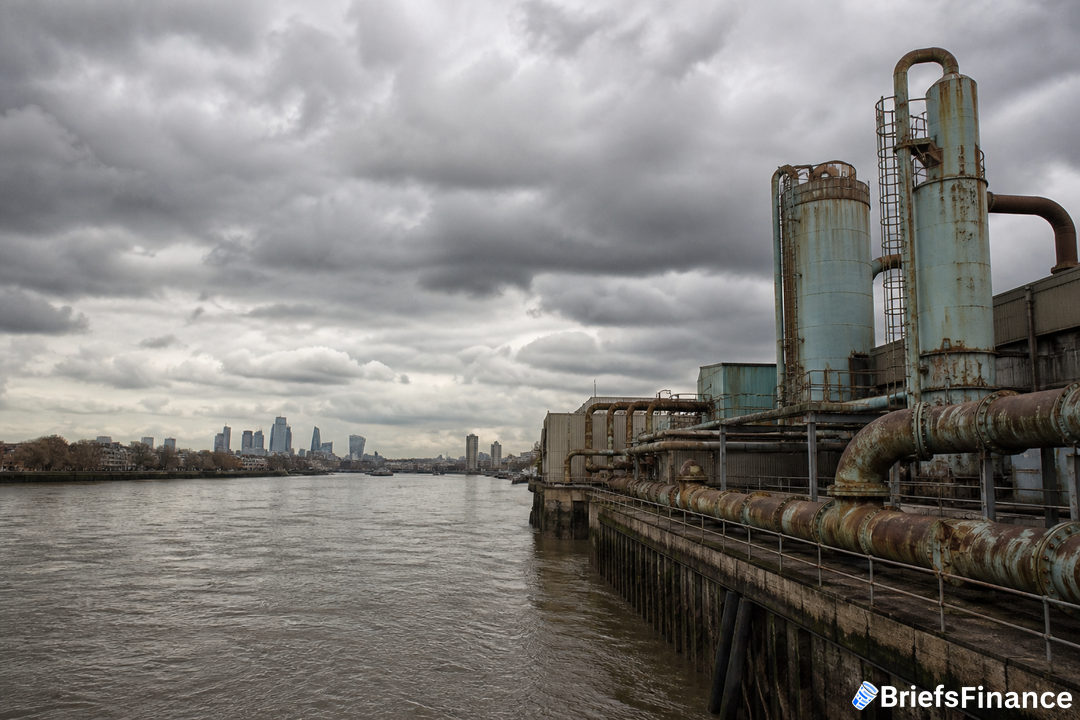
What Thames Water asked for
On Thursday, Thames Water said it had started steps to raise its super-senior borrowing limit to £5.4 billion, up from £3 billion. The company says that upsizing would keep it running through autumn 2027 while a longer-term rescue is negotiated.
Where the money came from and why it matters now
Creditors first extended the facilities as an emergency line in early 2025. With pressure mounting, Thames Water flagged in its latest annual report that, without a deal by October, it would need a further £2.4 billion. Lenders are now being asked to scale up support, with a vote on the company's requests set for Oct. 29.
The creditor plan and political hurdles
Lenders have been shaping a recap bid that would see them assume control, but they still need the regulator's nod and buy-in from Prime Minister Andy Burnham's new government. The latest offer, not yet submitted, is anticipated to trim roughly 35% from the Class A debt and inject about £10 billion in fresh funding. Burnham has put the water sector at the center of a push for more public control and said at Labour's September conference he will look to remove limits on state ownership of major water companies in England and Wales, opening the door to public ownership. As a backup, his administration has been exploring placing Thames Water into special administration, a government-run insolvency process.
Keeping up with financial headlines can be draining, so sign up for the free Market Briefs to stay informed.
What this means for your portfolio
If you hold exposure to Thames Water's capital stack, the outcome here could reshape who owns the utility and how its debt is valued. Between a potential creditor-led takeover, the prospect of sizable haircuts, and a government weighing public ownership or special administration, pricing and recoveries may end up hinging on politics as much as spreadsheets.
With so much market noise, a concise daily summary helps, so subscribe to our free Market Briefs newsletter today.