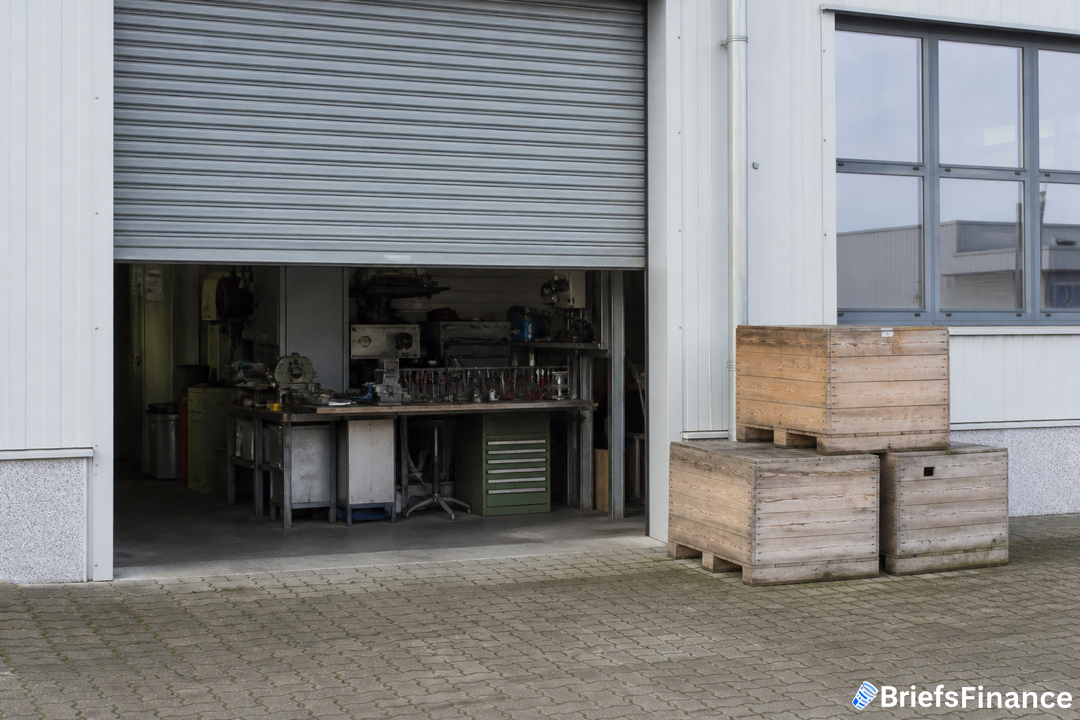
A small Bavarian shop, a big geopolitical tangle
Sindlhauser Materials, a niche German player in precision manufacturing and advanced coatings used in chips and other industries, landed on China's export-control list in July alongside 13 other European companies. People familiar with the matter described the move as coming after the EU's 21st package tied to Russia, which had targeted several Chinese firms for allegedly supplying Moscow with components that can be turned into weapons. Being listed by either side triggers export controls.
Beijing's public rationale for blacklisting the European firms cited alleged links to Taiwan, people said. But officials involved believe the larger story is that China spent the past 18 months mapping global supply chains and pinpointed a small Bavarian company feeding into ASML Holding's equipment, a sign of how granular Beijing's read on Europe's pressure points has become.
Panic, patchwork fixes, and a race against the calendar
Sindlhauser is almost entirely dependent on Chinese rare earth elements and other key minerals, people said. When the listing landed in July, the immediate reaction inside the company was panic. For weeks, it was unclear if or how operations could continue. Those people now warn that if Beijing's measures remain, the firm could run out of runway within months.
Berlin and Bavaria quickly jumped in to help source alternative inputs where feasible, while also exploring workarounds such as recycling materials and tapping available funding, according to the people. Some Brussels officials had already been pushing the case with Chinese counterparts for weeks. The episode also exposed a broader vulnerability: companies like Sindlhauser had done little to diversify away from Chinese inputs, and some officials fear that delisting now could drain urgency to build non-Chinese supplier bases.
Listing rules decide where companies raise money and who can buy in. Market Briefs covers market structure free every weekday.
The proposed swap, and why it is tricky
People familiar with the talks say the EU is considering lifting its own trade curbs on an unnamed Chinese company accused of supporting Russia's war effort in exchange for China removing restrictions on Sindlhauser. The bloc is anticipated to act first. An EU official said the bloc has begun discussing possible removals of entities listed under China's export-control framework and under the EU's regulations, noting that any delisting on the EU side would require unanimous approval by member states.
Officials also cautioned that negotiating additions or removals could set a problematic precedent for others seeking relief, and would likely entail concessions involving Chinese firms thought to be supplying Moscow with critical, often sanctioned, goods.
Bigger trade backdrop, sharper intel game
Sefcovic raised the potential one-for-one delisting in Beijing last week during talks with Wang Wentao. People said both sides agreed to share more information and give early warnings around export restrictions. The EU is also trying to chip away at a yawning trade gap with China that officials say now tops $1 billion per day. Separately, Chinese shipments to Europe hit a record in September before an arrangement on hybrid car exports, according to customs data referenced in briefings.
Behind the scenes, Beijing has built deep visibility into supply chains via a licensing system for exports of critical minerals and rare earths that compels foreign buyers to submit detailed customer information, usage descriptions, and even photos of end products. For German firms, this has meant turning over proprietary information, even as Berlin lacks equivalent visibility and still has no concrete strategy to narrow that economic-intelligence gap.
ASML had no comment. Requests for comment were not immediately answered by the European Commission, Sindlhauser, or China's Ministry of Commerce. A spokesperson for Germany's Economy Ministry referred inquiries to EU negotiators.
Why this matters for your money
If a little-known supplier can suddenly be choked by export rules, that risk can cascade to the giants it feeds. Sindlhauser is in ASML's supply chain, and officials worry that trading delistings could become a template. Watch two things next: whether EU countries can unanimously back a removal on their side, and whether Beijing follows by lifting its controls. For anyone who relies on products that ultimately depend on rare earths and specialty inputs, these moves can quietly change costs, timelines, and availability far from the headlines.
Reciprocal delisting would reshape cross-border capital flows. Join Market Briefs free and follow it.