What's in the deal
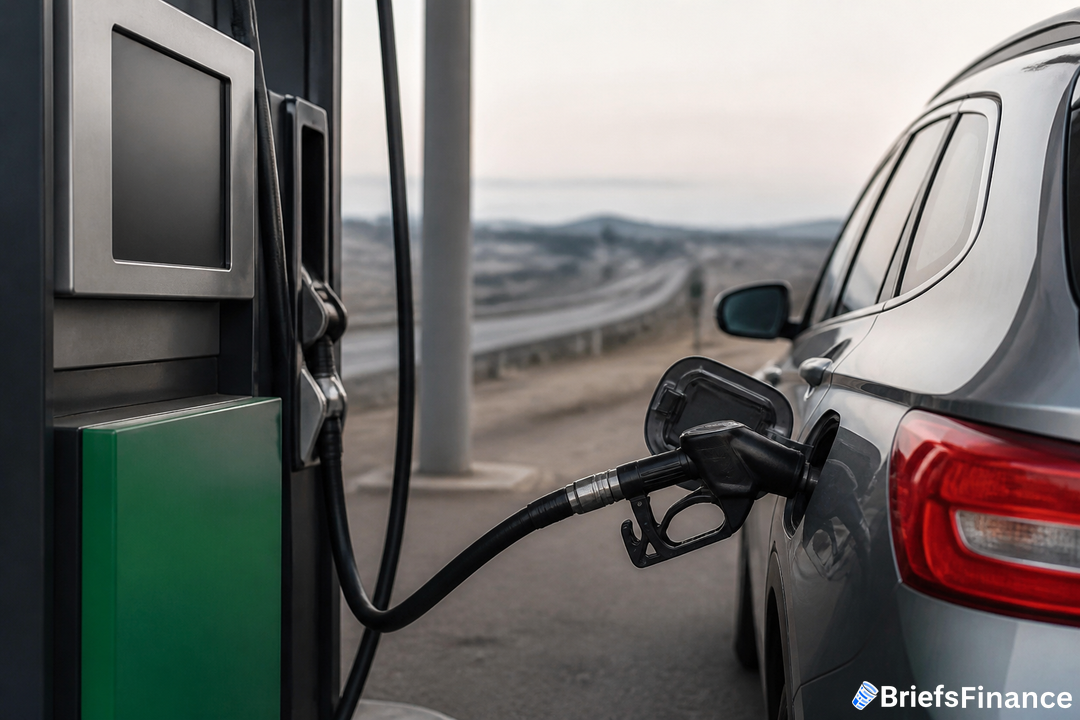
Germany signed off on a €2.5 billion plan that brings back a short stretch of lower fuel taxes. The energy tax on both gasoline and diesel will fall by 14 cents per liter, which works out to about 17 cents of relief after value added tax. Finance Minister Lars Klingbeil said the cut will last three months through year-end, without specifying when it starts.
He also said the government is preparing a state-set cap on pump prices that would link the maximum retail price to oil market movements, drawing on approaches used in Belgium and Luxembourg. The details still have to be worked out and it would arrive later. Speaking to reporters in Dublin at a meeting of EU finance ministers and central bank governors, he said, "We're putting a stop to price gouging by oil companies as well, and we're now making sure fuel prices come down quickly."
How it will be paid for and what else is changing
Economy Minister Katherina Reiche put the price at about €2.5 billion, with Germany's states set to shoulder around half. Klingbeil said the federal government will tap unspent funds from this year's budget and use a mix of financing measures for the rest. He added that financing is expected to rely heavily on a windfall tax on oil companies, and that the government will continue to push for it.
Germany has tightened price oversight too. As of April 1, stations are limited to a single price increase per day at noon; they may reduce prices at any time, and the Federal Cartel Office now has expanded authority to probe pricing abuses.
EU angle and political timing
Ahead of finance ministers reconvening in October, Klingbeil pressed the European Commission to lay out options for an EU-wide windfall levy aimed at oil companies. Germany, along with Austria, Italy, Poland, Portugal and Spain, asked Ireland, which currently holds the rotating EU presidency, to place the issue on the agenda. On Friday, the Commission said it is not developing a union-wide proposal for now, and emphasized that member states may impose such taxes within their own frameworks consistent with EU rules.
The deal landed just days ahead of Sunday's state votes in Berlin and Mecklenburg-Western Pomerania, after a week of squabbling within Chancellor Friedrich Merz's government about how to protect motorists and businesses following renewed fighting in the Middle East that drove energy prices higher. Final sign-off is still required from the Bundestag and the Bundesrat, and Klingbeil said that should happen "quickly."
Policy shifts remind investors to keep a steady plan for protecting their savings. Join Briefs Finance CEO Jaspreet Singh on September 29th for a FREE live investor workshop, How to Profit From A Dollar That's Losing its Value, where he shows how we're spotting investment opportunities as the dollar falls. Save your spot.
Officials had also considered lowering VAT on motor fuel from 19% to 7% and targeted payments to lower-income households, but EU rules do not allow Germany to unilaterally apply a lower VAT rate for gasoline and diesel.
Prices, precedent and why it matters for your wallet
Fuel prices are at records: on Sept. 17, diesel averaged €2.47 per liter and Super E10 gasoline hit €2.30, according to ADAC. This move revives a two-month break in May and June, when Germany reduced excise duty by 14 cents per liter, delivering roughly 17 cents in savings after VAT was included. The government set aside €1.6 billion for that round, though how much of the cut reached drivers was disputed.
For regular drivers, it is about whether the next fill-up costs a little less and how long that lasts.
When headlines change, nurturing long term growth and safety for your money matters. Our CEO Jaspreet Singh is hosting a FREE live investor workshop, How to Profit From A Dollar That's Losing its Value, on September 29th. Sign up free to join him live.