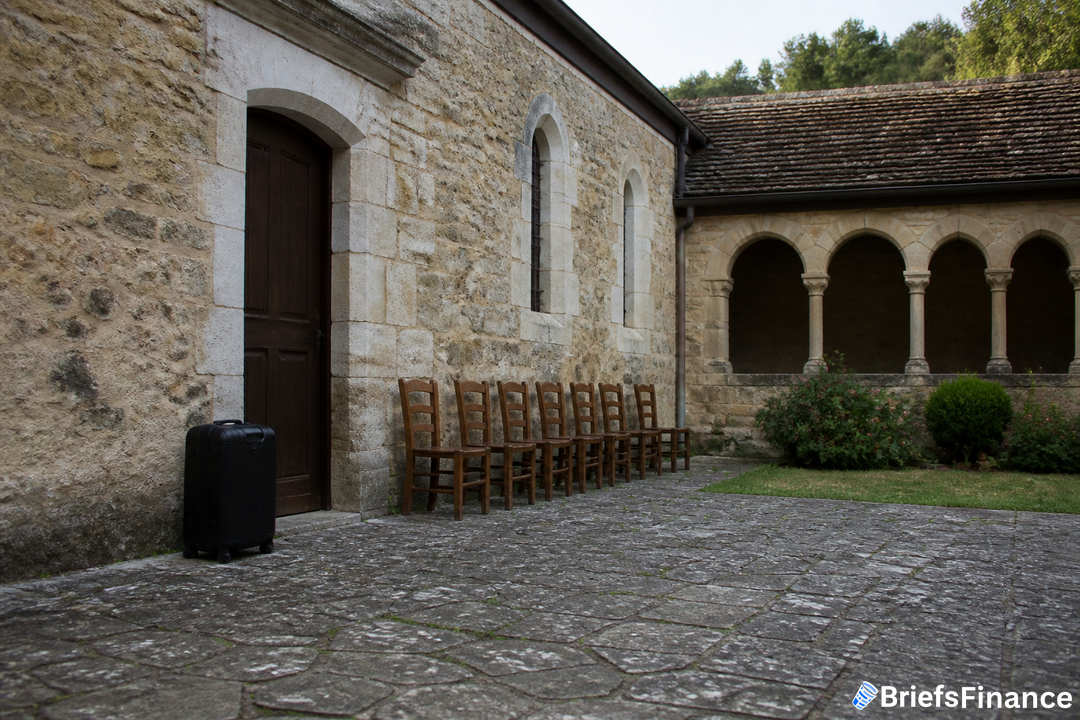
A church fundraiser with geopolitical baggage
What looks like a simple parish sale in France may be underwriting a war. Ouest-France reports that nuns from the Saint Elisabeth Convent in Minsk spent several weeks this August in Les Sables-d'Olonne taking cash donations billed as support for orphanages and psychiatric hospitals, a routine they have repeated across France for years. The paper says the convent's leadership publicly backs Russia's invasion of Ukraine and keeps close ties with Belarusian authorities.
Inside the Help for Brothers pipeline
Ouest-France's review of the convent's Telegram channels details a supply route to the front called Help for Brothers. Sister Alexandra runs the project from Minsk, with Sister Evgenia of the Saint Mary Magdalene convent in Orel handling coordination in Russia. According to the investigation, the network shipped at least nine all-terrain vehicles, plus drones, military boots, and medical supplies, directly to Russian combat units.
The newspaper points to a video in which a Russian soldier offers explicit thanks to Sister Alexandra for a drone, and to photos depicting her beside a Russian flag marked with the pro-war Z. The nuns deny that money collected in France funds the military, saying those proceeds support homeless shelters and orphanages. But the paper notes that cash-heavy church sales make the destination of European donations nearly impossible to trace.
A few minutes a day is enough to stay genuinely informed about your money. Join Market Briefs free and start tomorrow.
How churches are responding
Inside France, parish clergy have been left to navigate the fallout without institutional guidance. In Les Sables-d'Olonne, Father Antoine Nouwavi told the paper that he had earlier put a stop to the nuns' visits, then permitted them again this summer after getting written assurances from the Mother Superior. He said he would institute a lasting ban solely if the French Foreign Ministry provided concrete proof.
Ouest-France received no comment from the French government or the national bishops' conference. In other parts of Europe, parishes in the United Kingdom, Poland, Sweden, and Switzerland have moved to bar the Minsk nuns from visiting, arguing that the sisters help fund Russia's war effort.
A broader pattern of pro-war clergy
Ouest-France also highlights a separate episode in Russia: Metropolitan Mitrofan of Murmansk brought Russian war veterans and military priests to a church on Norway's frontier for a worship service. A vocal supporter of the invasion, he has characterized the frontier with Nordic states as a "spiritual border" against evil and defended Russia's military at the gathering while flanked by veterans and priests connected at an operational level to Russian combat formations in Ukraine.
Why this matters for your money
Charity sales at a neighborhood church are not the first place you look for sanctions and compliance risk, but this story shows how fast reputational and legal questions can wash into local institutions. Cash is hard to audit, governments can move slowly, and bans are uneven across borders. If you support community groups or have exposure to entities tied to them, it is worth watching how they vet cross-border partners and how quickly they react when allegations surface.