What happened
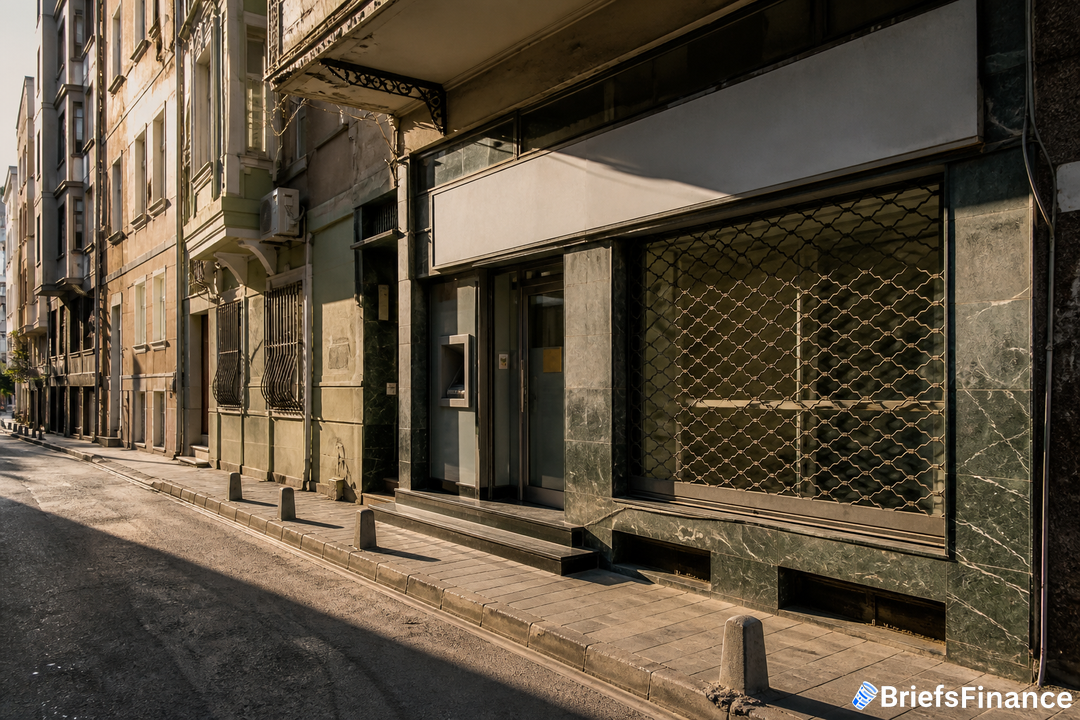
The U.S. Treasury rolled out sanctions on Golden Global Investment Bank, describing it as a relatively small Turkish player based in Istanbul, and included its subsidiaries in the action. Treasury said the bank "facilitated tens of millions of dollars' worth of transactions" for the Islamic Revolutionary Guard Corps' Quds Force and "provides the Iranian regime with key correspondent banking access that allows it to move its funds internationally."
Golden Global disputed the move on Friday, saying it has consistently applied due diligence. "We will take action as soon as possible against these unfounded allegations and the decision by exercising, to the fullest extent, all rights of objection and legal recourse available to us," the bank said.
Why officials moved now
Treasury Secretary Scott Bessent is pressing ahead with his late-August "economic outcast" campaign, which warned banks and other firms worldwide that continuing business with Iran could trigger secondary sanctions. After signaling on Tuesday that more banks were in the crosshairs, he said Friday, "While we hope no more banks will need to be sanctioned, that ultimately depends on how quickly the international community comes to its senses and ceases support of the murderous Iranian regime."
Roughly a week earlier, the department moved against branches in the United Arab Emirates belonging to Egypt's second largest bank, Banque Misr. In addition, Treasury's Financial Crimes Enforcement Network sought to strip Banque Misr of UAE-based correspondent banking access to U.S. financial institutions.
Reaction and broader context
Analysts have been unimpressed with the rollout to date, and many of Iran's core commercial counterparts, spanning the Middle East through to China, have shown little sign of changing course. Despite decades of sanctions, months of U.S. and Israeli strikes, and a naval blockade of ports, Tehran has not shifted its strategic approach.
Turkey's energy minister, Alparslan Bayraktar, said Friday that Ankara had not received any guidance from U.S. authorities on trade with Iran following the new push. Instead, the U.S. has zeroed in on smaller actors that are unlikely to change the calculus of Iran's military, the IRGC, or war decisions.
The best financial decisions come from understanding the whole picture. Join Market Briefs free and get the full brief each morning.
"It's good to see Treasury following through on Bessent's promise to target more foreign financial institutions, but sanctioning a small Turkish bank, even one servicing IRGC-linked institutions, won't move the needle," said Max Meizlish, a research fellow with the Foundation for Defense of Democracies and a former staffer at Treasury's Office of Foreign Assets Control. "If Washington wants sanctions to change behavior, it needs to pressure the Chinese institutions enabling Iran's oil trade."
Officials haven't signaled action against Chinese banks and instead cited constructive private talks with Beijing, including during the Group of 20 meeting of finance ministers and central bank governors earlier in the week.
What this means for your portfolio
The campaign is landing on smaller targets while avoiding the biggest leverage point in China. That has two takeaways for everyday investors: sanctions risk can suddenly hit specific banks and their counterparties, and the macro picture may not shift much unless larger institutions are pulled in. Keep an eye on whether Washington broadens the list and how other countries respond, because that is what will move energy flows, currencies, and the cost of doing business across borders.