What the new campaign targets
The European Union said on Aug. 31 it backs efforts to curb what it called Tehran's destabilizing behavior and to restart peace talks, including by joining Operation Economic Outcast to increase economic pressure on Iran's government. Launched by the Trump administration in late August, the effort zeroes in on Iran's use of digital assets, access to advanced technology, gold holdings, and the country's commercial aviation and shipping.
U.S. Treasury Secretary Scott Bessent cheered the EU's early support in a Thursday evening post in the United States, writing, "We appreciate their strong and early stance," and adding, "The world is sending a clear message to the Iranian regime: We will not stop until every remaining financial lifeline has been severed." He also said, "The United States stands firm with our allies in ensuring the murderous Iranian regime cannot exploit the global financial system to fund its nuclear ambitions, weapons programs, and terror proxies."
Bessent framed the effort as an "economic onslaught" on Iran's overseas financial links and warned that countries helping Tehran "should expect to share in the isolation of a withering regime." Prior to the current conflict, China served as Iran's top trading partner and accounted for roughly 90% of purchases of Iran's sanctioned crude.
The G20 backdrop and Iran's pushback
Bessent spoke while finance ministers and central bank chiefs from the Group of 20 were gathering in Asheville, North Carolina, earlier in the week. He had signaled he would urge his counterparts to sever ties with Tehran or face secondary penalties, and indicated more secondary sanctions would roll out on a weekly timetable at the start, concentrating first on banks. Institutions that process Iran-related transactions, he warned, risk being cut off entirely from the dollar system.
Tehran blasted the EU for aligning with Washington. Iran's Foreign Ministry spokesperson, Esmail Baghaei, denounced the move on Sept. 1 as "economic terrorism," saying the bloc had "surrendered its sovereignty, its laws and regulations, values and ethics to U.S. coercion."
The EU is also maintaining separate sanctions focused on Iran's nuclear and ballistic missile programs, as well as on its military support for Russia.
The money story behind the headlines is usually the part that matters. Join Market Briefs free and get it every morning.
Shots fired and ships diverted
The security picture worsened in recent days. Earlier in the week, the U.S. military struck sites inside Iran, saying the strikes were in response to assaults targeting vessels and U.S. personnel in the region. Iran responded by launching missiles at U.S. military bases throughout the Middle East.
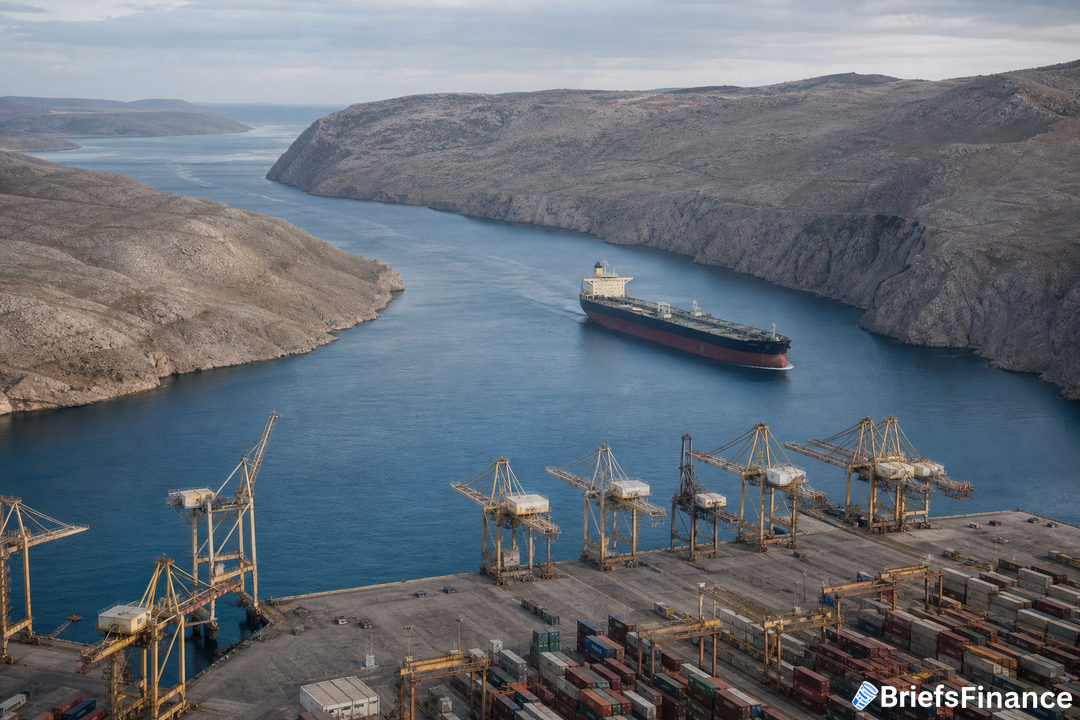
Traffic through the Strait of Hormuz remains thin. Before the war, about one fifth of the world's oil moved through the chokepoint. Iran has periodically targeted vessels traveling the southern route near Oman's coast.
The United States has kept a naval blockade in place, stopping ships entering or leaving Iranian ports to slow the country's crude exports. On Friday, U.S. Central Command said it had diverted 87 commercial vessels, put three out of action, and carried out two boardings to confirm compliance.
Seoul's potential role at sea
South Korea is weighing ways to help restore commercial passage through the Strait of Hormuz, potentially with military support, Reuters reported Friday, quoting the presidential office. On Thursday, several South Korean news outlets said Seoul was getting ready to deploy troops to the Gulf before year end and could ask parliament for approval as early as this month.
Officials in Seoul pushed back on reports that anything is final, telling reporters, according to Yonhap News, that "details related to the issue have yet to be decided." The discussions come after U.S. complaints about South Korea's hesitance to contribute militarily, which included trimming an annual joint drill last month and scrapping a landing exercise planned for September.
What this could mean for your money
Sanctions hitting cash flows and technology, plus weekly waves of secondary measures aimed first at banks, are combining with real-world shipping risks in a vital oil corridor. If that keeps insurance and freight costs elevated or crimps throughput, the knock-on effects can ripple into energy prices and the sectors linked to them. Keep an eye on how financial institutions respond to the new bank-focused penalties and whether shipping conditions in Hormuz loosen or tighten from here.