What happened and when
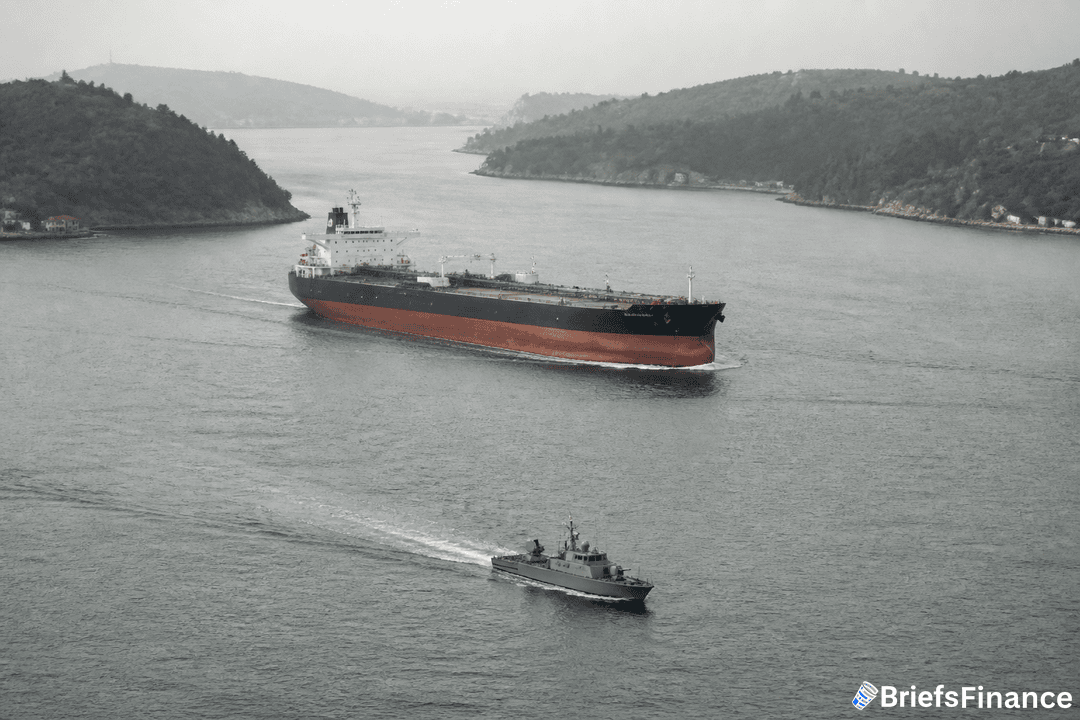
U.S. Central Command said Tuesday that American forces opened fire on Islamic Revolutionary Guard Corps targets inside Iran at noon Eastern. Officials said the move came after recent attempts to target commercial vessels transiting the Strait of Hormuz and assaults on U.S. personnel in the region, and followed the reported attacks on two oil tankers in the critical route for global energy.
CENTCOM did not immediately share how many targets were hit, where they were, or which U.S. assets carried out the mission. The action represented a fresh escalation, following the first U.S.-Iran exchange of fire in roughly a month that occurred over the weekend.
How leaders are framing it
President Donald Trump described the strikes as "large and powerful" on Truth Social, saying they responded to Iran's attempt to place sea mines in the Strait of Hormuz as well as to a missile strike that hit a U.S. base in Jordan. He warned that if Tehran retaliates, the U.S. would respond "at a much harder and higher level," adding that an even bigger attack was "waiting in the wings."
Shortly afterward, Iran signaled it was striking back. The state-run Tasnim News Agency reported the armed forces had launched a "decisive operation," stating that Iranian missiles and drones would be aimed at American bases and regional U.S. interests.
Markets move every day, and most of it never reaches you in time. Get the free Market Briefs daily newsletter and stay ahead of it.
How we got here
Ahead of Tuesday's action, Trump had reportedly been weighing a CENTCOM proposal for limited strikes intended to prevent Iran from restoring radar and missile capabilities that could threaten ships in the strait.
Over the weekend, the U.S. military struck rocket launchers located on Iran's Larak Island after CENTCOM reported that Iranian forces were getting ready to fire rockets loaded with sea mines into the waterway. Tehran then fired missiles targeting U.S. sites in Jordan, which were intercepted. Separately, the United Arab Emirates reported intercepting an Iranian drone above its territorial waters.
Why it matters for your wallet
The conflict's continuation - despite Trump saying it would conclude in four weeks - erodes his campaign pledge to end wars ahead of November's midterm election. A Reuters/Ipsos poll released Monday put his approval at 33%, with 36% of Americans backing the Iran war.
Energy traders watch Hormuz closely because before the war about one fifth of the world's oil flowed through that chokepoint. Any fresh disruption there can ripple into fuel prices and shipping costs that eventually show up in everyday bills.