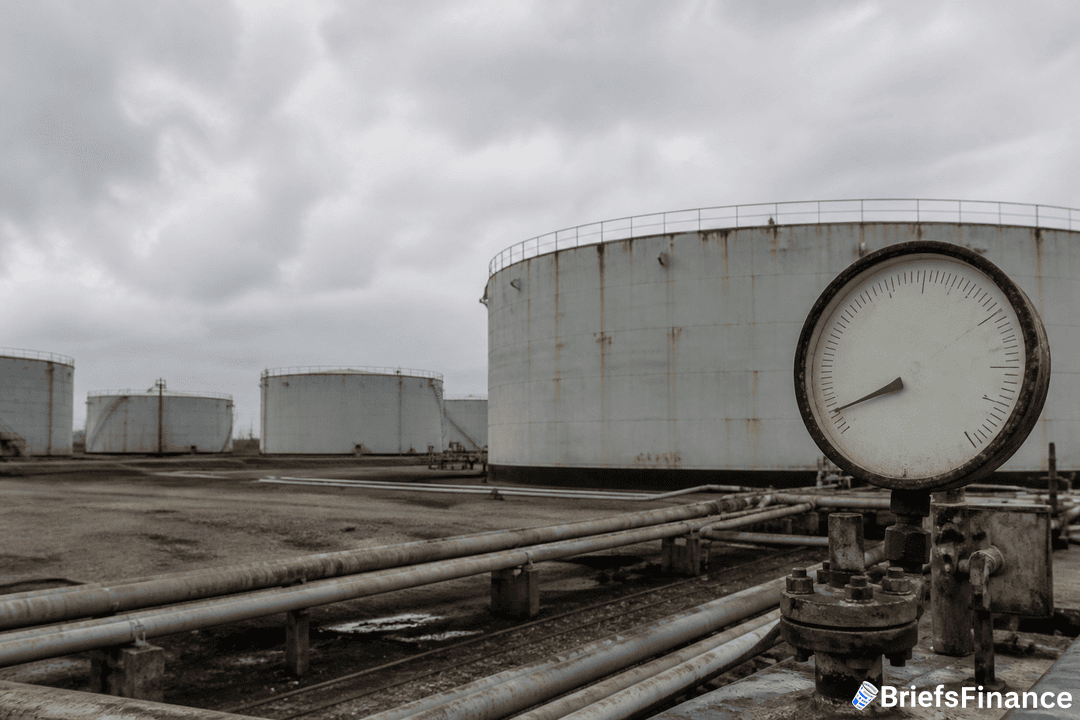
The nation's diesel stockpiles have fallen to an unprecedented low, and this comes at a particularly bad moment for motorists.
Why Diesel Matters
Diesel is the fuel that moves the economy. It powers the trucks that carry food to grocery stores, the tractors that plant and harvest crops, and the machinery that builds everything from highways to houses. When diesel becomes scarce or expensive, the cost shows up in just about every purchase.
The government data, which covers the week ending August 21, shows inventories draining faster than usual. That matters because demand typically climbs in the coming months. Global diesel consumption peaks around October, when farmers in the Northern Hemisphere need fuel for harvest season and households in colder regions start thinking about heating oil.
A Perfect Storm
The supply problem is not just an American one. It is global, and several forces are colliding at once. Russia, one of the world's biggest fuel exporters, has halted diesel shipments after Ukrainian drone strikes knocked out refineries. Moscow is now weighing whether to extend that ban for another month, which would keep pressure on global supplies for longer.
At the same time, shipments of refined fuel through the Strait of Hormuz in the Middle East have fallen to almost zero. That waterway handles a huge share of the world's oil and fuel trade, and the near-total halt in product flows has removed a critical source of supply from the market.
Amid record-low diesel supplies, protect your finances with the free Always Be Buying E-Book
What This Means for Prices
The effects are already visible at the pump. Retail diesel now averages about $5.60 per gallon, within 20 cents of the all-time high from 2022 and at a level not seen in decades. Gasoline is also feeling the squeeze, holding above $4 per gallon.
For anyone who drives a diesel truck, runs a farm, or owns a business that relies on shipping, these numbers translate directly into higher operating costs. And those costs get passed along.
The Bottom Line
Diesel prices are not just a fuel station problem. They are a grocery bill problem, a rent problem, and an airline ticket problem all wrapped into one. When the fuel that moves the world gets more expensive, consumers feel it at the register.
The refining industry is running hard, and profit margins for making diesel in the US have hit record highs recently. That tells you global buyers are willing to pay almost anything for American fuel. The question is whether the country can keep exporting so much while still keeping enough at home for its own trucks, farms, and heating systems.
For now, the numbers say supplies are tighter than they have been in decades. That is worth watching, especially if the winter turns cold.
The last time inventories were this thin, the country was emerging from a deep recession and the oil industry was still recovering from the shocks of the 1970s. Analysts note that the current drawdown is particularly concerning because it comes ahead of the seasonal peak in demand, when farmers and heating-oil buyers compete for the same supply. With refineries already running at high capacity, there is little room to boost production further if the global squeeze worsens.