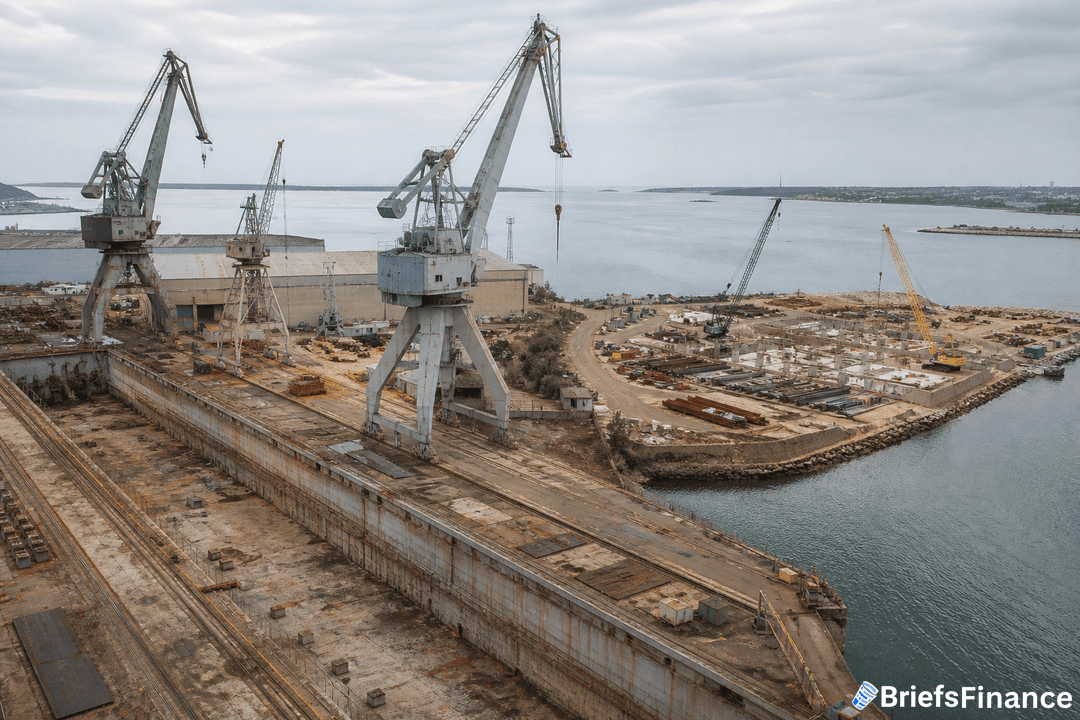
Governor Gavin Newsom unveiled $48.5 million in financial support, directing $8.2 million to Mare Island, a decommissioned naval facility in Vallejo, Northern California. The remaining funds will support Cal Poly Maritime Academy's shipbuilding curriculum and establish an innovation hub for the maritime sector. This investment is part of a broader state effort to rejuvenate an industry that has lost ground to international competitors.
Recent data shows that American shipyards contribute under 1% of the world's newly built vessel tonnage, whereas China builds over half. The funding aims to modernize facilities, train a new generation of shipbuilders, and attract private companies to the region.
This funding decision follows a vote by Solano County officials to delay their stance on the Solano Maritime and Manufacturing Act. The act was designed to expedite environmental assessments and construction permits for maritime production and vessel construction in the Collinsville area, a region central to California Forever, an initiative backed by several prominent Silicon Valley tech entrepreneurs. The county board voted 3-2 against moving the proposal forward, effectively shelving it for the year. Supervisors who opposed the measure cited the rushed timeline, noting that the final draft was delivered only a day before the meeting, leaving insufficient time for public scrutiny and legal review.
Opposing supervisors argued that the plan was assembled too quickly, citing worries about environmental safeguards, worker protections, and tribal consultation. The county noted that it received the most recent draft just one day before the meeting, leaving little time for thorough review. Newsom pressed for faster action. "We've got to step up our game in this state," he remarked on Wednesday during a press gathering at Mare Island. "The world we invented is competing against us."
Understanding what moved a market beats knowing that it moved. Get the free Market Briefs daily newsletter and follow the drivers.
The vote highlights a recurring dilemma in California: balancing economic revitalization with environmental stewardship. Mare Island, established in 1854 as the U.S. Navy's first Pacific shipyard, played a vital role in both World Wars before its closure in 1996. Since then, the site has struggled to find new uses. The tension between these priorities is not new, but the urgency of global competition has intensified the debate.
Proponents of the act argue that streamlining permits would attract private investment, create thousands of well-paying jobs, and strengthen the nation's maritime capabilities. They point to the fact that the current permitting process is slow and burdensome, deterring companies from choosing California over other states. However, opponents contend that fast-tracking environmental reviews could lead to irreversible damage to local habitats and undermine community input.
They also worry about inadequate worker protections and insufficient consultation with affected tribes. The county's decision to postpone means the proposal will not advance this year, leaving its future uncertain as state officials continue to advocate for industrial growth.
In the meantime, the state's maritime grants are already being distributed, signaling that other projects will proceed. The innovation hub at Mare Island is expected to serve as a testing ground for new technologies, while Cal Poly's curriculum will train students for careers in shipbuilding. Whether the Solano County measure will be revisited in the next legislative session remains to be seen, but the tension between development and conservation is likely to persist. As Newsom's remarks suggest, the pressure to compete globally is mounting, and California's ability to balance these priorities will be closely watched.