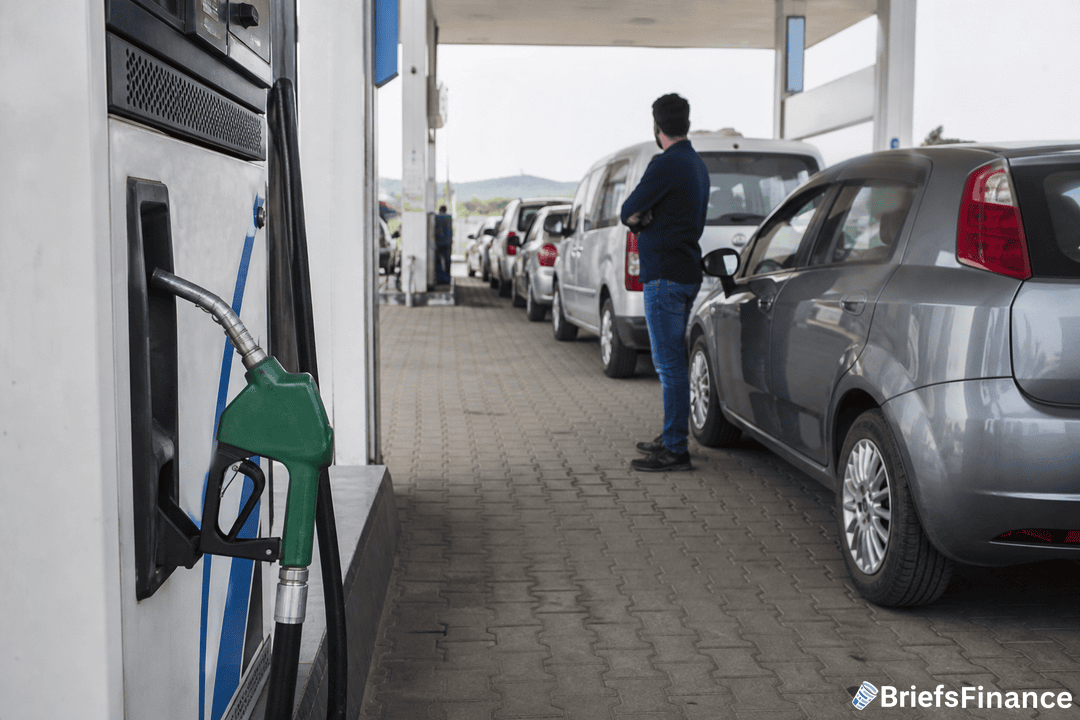
The Italian government keeps reaching for the same fuel-price playbook, and the outcome is still only a brief reprieve.
The latest move: a short-term extension of a diesel tax cut, this time through Wednesday, after a decree signed last Thursday by the finance and energy ministries.
What the Government Did
Back in July, the government cut diesel pump prices by €0.17 per liter, which works out to about $0.20. That reduction was then extended on Aug. 4 to the following Tuesday. Now the same cut is being stretched again, but only by days. A short extension prevents an immediate price jump overnight, but it still does not explain why pump prices are so high.
Government data from Sunday shows the problem clearly. Highway diesel prices sit at €2.203 per liter, while unleaded petrol runs €2.087. That is well over $8 per gallon.
The stop-and-start nature of these measures is not a one-off. Since the initial cut in July, the government has repeatedly extended it in small increments, signaling that it cannot commit to a longer-term fix. That pattern reflects a broader struggle, as energy costs have surged and governments are caught between supporting households and protecting strained budgets. Italy is especially exposed because of its reliance on high fuel taxes and heavy road transport.
Italy's fuel patchwork only buys days, so grab the free Always Be Buying E-Book for a steadier path to wealth
The Political Pressure Is Building
The short - but temporary - approach is not winning praise in Rome. Over the weekend, opposition parties demanded stronger relief, and they added a new ask: a windfall profit tax on energy companies.
Elly Schlein, leader of the Democratic Party, said it directly: "Stopgap measures are no longer enough." She also called for "immediate support measures" and argued that "a tax on excess energy profits could make a significant contribution to financing these measures."
This is the basic conflict right now. One side wants to keep extending the diesel tax cut week by week. The other wants energy companies to cover the cost of that relief.
What It Means for Drivers and Investors
For anyone filling up in Italy, this extension is the kind of relief that can expire before the next empty tank. The pattern matters more than the current price.
Fuel tax cuts are a full instrument. They bring down the price at the pump immediately, which helps households and businesses that rely on driving or shipping. But when relief is renewed for days at the time, rather than months, it signals that the government is trying to balance angry drivers against a tight budget.
The larger concern for investors is what energy costs say about inflation. Italy is not the only country under pressure, but it is one of the most exposed. If fuel prices remain near current levels, expect more political strain, more stopgap measures, and possibly more taxation ideas aimed energy firms elsewhere.
For portfolios, the lesson is quiet but real. Energy prices are still the spark for inflation. A jump in fuel costs can shift interest-rate expectations, and that moves everything from bond yields to stock values.
A country that extends diesel tax relief for just days is not a market-moving event. But it is a useful reminder that energy prices are far from stable.
Italy's fiscal situation complicates any longer-term fix. With public debt exceeding 140 percent of gross domestic product, enduring relief would now be difficult without worrying bond markets. A permanent fuel tax cut would also reduce revenue at a sensitive time for Italy's strained public finances. That is why short-term extensions keep winning out over structural reform, despite the pressure that creates for drivers and business owners.
When fuel relief lasts only days, the free Always Be Buying E-Book offers a longer-term answer