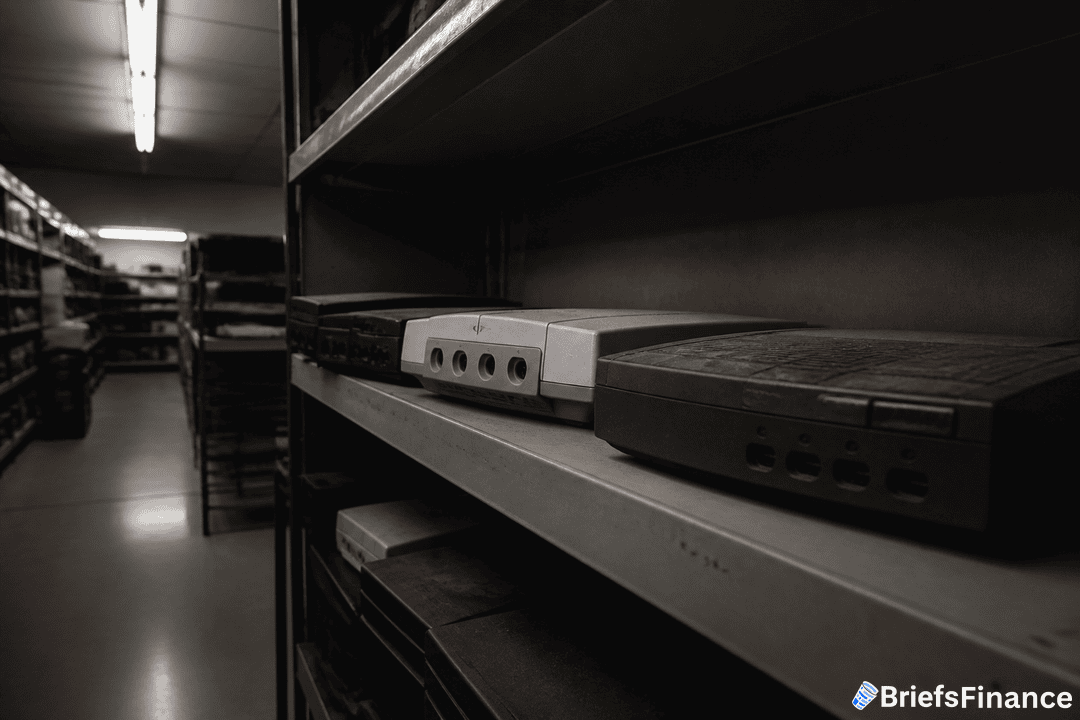
And the biggest culprit is the very machine that set sales records last summer.
The Switch 2 Hangover
Part of the problem is simple math. The launch was so big that last year's numbers were nearly impossible to match. But Mat Piscatella, an analyst at Circana, said the trouble goes deeper than that: "The market comparables continue to be impacted by the record-setting June 2025 launch of Nintendo Switch 2. However, the challenges extend far beyond simple cyclicality."
The real issue is money. Rising memory costs have pushed up the price of every console on the shelf. That means fewer machines are moving, and the ones that do sell are costing more.
Nintendo also has not given fans a fresh reason to buy. The Switch 2 launched without a major Mario or Zelda title, and that gap is showing up in the sales data.
The best financial decisions come from understanding the whole picture. Join Market Briefs free and get the full brief each morning.
A Market-Wide Slowdown
This is not just a Nintendo problem. Sony and Microsoft are feeling the squeeze too, even though they are at different points in their console lifecycles.
Piscatella said the same root cause is affecting everyone: "Higher hardware prices driven by the RAM and component crisis have significantly impacted the selling rates of both PlayStation 5 and Xbox Series, with a price hike for Nintendo Switch 2 hardware coming."
So consumers are paying more for less. The average console now costs $542, and that higher price tag is scaring off buyers who might otherwise upgrade.
The two bigger players are adjusting their strategies. Microsoft just named a new CEO for its Xbox division, while Sony is focusing on snapping up content and intellectual property.
What This Means for Gamers
The July drop extends a cooling trend that began after the Switch 2's record-breaking debut. Circana's tracking now points to price pressure as the main brake on demand, with the average console crossing the $500 level.
New games are not enough to save the hardware market. Nintendo's Splatoon Raiders cracked the top-grossing US games chart in July, and Tomodachi Life: Living the Dream kept hanging around the top 10. But even those hits could not stop the slide.
The bottom line: if you are thinking about buying a console, you are probably going to pay more than you expected. The memory shortage that is driving up prices is a factor, and Nintendo has signaled a price hike is coming.
For investors, this is a reminder that even the hottest product can cool off fast. The Switch 2 went from record breaker to sales drag. That does not mean gaming is dying, it just means the days of cheap hardware are probably over for a while.
Markets move every day, and most of it never reaches you in time. Get the free Market Briefs daily newsletter and stay ahead of it.