The Deal Behind the Numbers
Big artificial intelligence projects need more than clever software. They need massive warehouses full of servers, and those warehouses cost serious money. A Connecticut investment firm just stepped in to help pay for one of them.
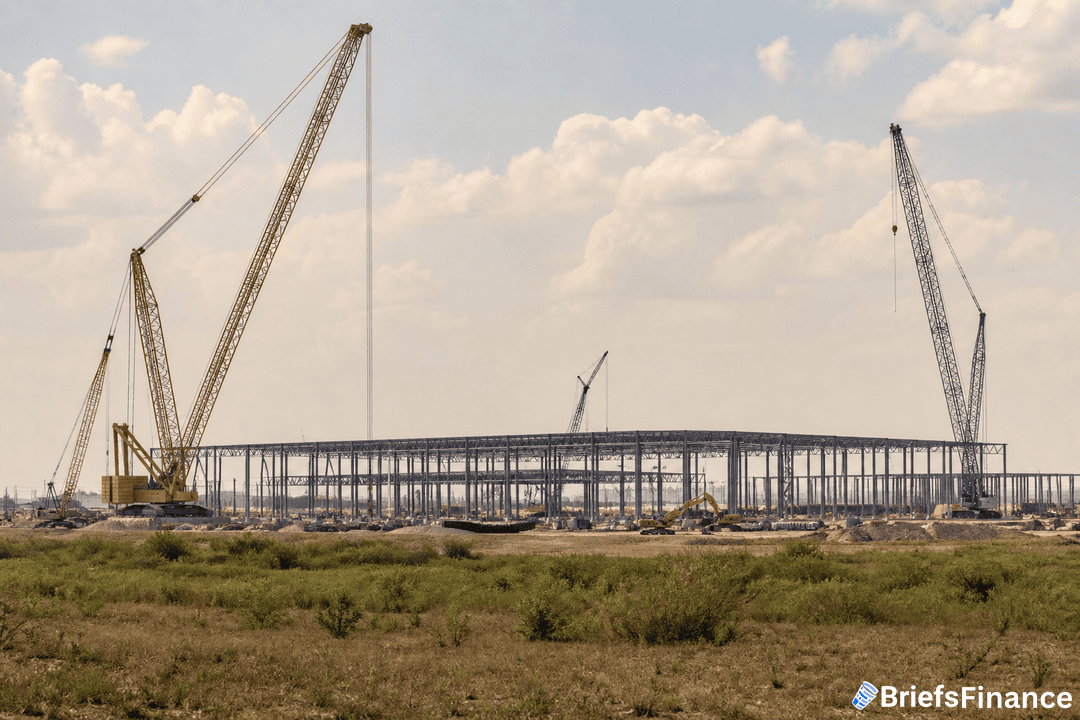
Eagle Point is lending about $1.3 billion for the AI data center campus in Hubbard, Texas, about 70 miles south of Dallas. The campus is part of a $16 billion project-finance package for the 2,900-acre site, with Anthropic set to be the main tenant.
The loan is what's called a mezzanine piece, meaning it sits below the safest part of the financing in the repayment order. That makes it riskier than the top-tier debt, but it also earns more interest. Eagle Point took on that slice and recently closed the deal, with Morgan Stanley among the banks leading the broader financing. The project belongs to Nexus Data Centers, and it marks the company's first development effort.
A Loan That Grew With the Deal
Eagle Point started circling the project in September. It originally planned to lend about $150 million secured by land Nexus had already bought. That number did not hold. As the deal took shape, financing needs ballooned, and the firm kept increasing its commitment until it reached $1.3 billion.
Markets move every day, and most of it never reaches you in time. Get the free Market Briefs daily newsletter and stay ahead of it.
The turning point came when Google stepped in with a guarantee. That commitment to backstop the debt payments made the risk easier to swallow. Additionally, Anthropic had been selected as the facility's primary occupant after a competitive bidding process.
Why the Refinancing Matters
The Eagle Point piece is just one layer. The whole construction sits on a $16 billion financing package, and the biggest part of that is a $15 billion bank loan. Most of that construction debt is repaid after the project is finished, not during construction. The standard move is to refinance with new debt once the building is up and running.
That means Nexus will likely need to replace the $15 billion bank financing with rated debt before the year is over. It's a common path for large infrastructure projects, but it is worth watching how easily the refinancing goes. Rate changes or a weak market for risky debt could change the math.
What This Means for Investors
This deal is a window into how the AI spending boom is actually getting financed. The big tech names get the headlines, but the buildings where computing happens need money too, and that money increasingly comes from private credit firms rather than traditional banks.
Eagle Point is not a household name, but it manages about $14 billion in assets. It was founded in 2012 by Thomas Majewski and Stone Point Capital, and it has been quietly growing in the private credit space. Deals like this one show how these firms are stepping in where banks used to dominate.
For investors, the bigger picture is this: the AI boom is not just a story about chip makers and cloud giants. It is also a story about who finances the physical infrastructure that makes AI possible. Private credit lenders are taking that role, and they are getting paid well for it because the loans carry real risk.
For most people, the direct way to participate in this story is through the publicly traded companies involved, not the private loans themselves. But the scale says something about the direction of the buildout. It will not be funded by the biggest tech companies alone. Institutional money is moving into the space in a major way, and this Texas project is one of the largest examples yet.
The final construction and refinancing steps still have to play out. The risk sits with the lenders, and the rewards will flow to whoever holds the debt. For investors, this is a clear reminder that the AI boom has a wide path, one that runs through quiet lending offices as much as through flashy chip launches.
The money story behind the headlines is usually the part that matters. Join Market Briefs free and get it every morning.