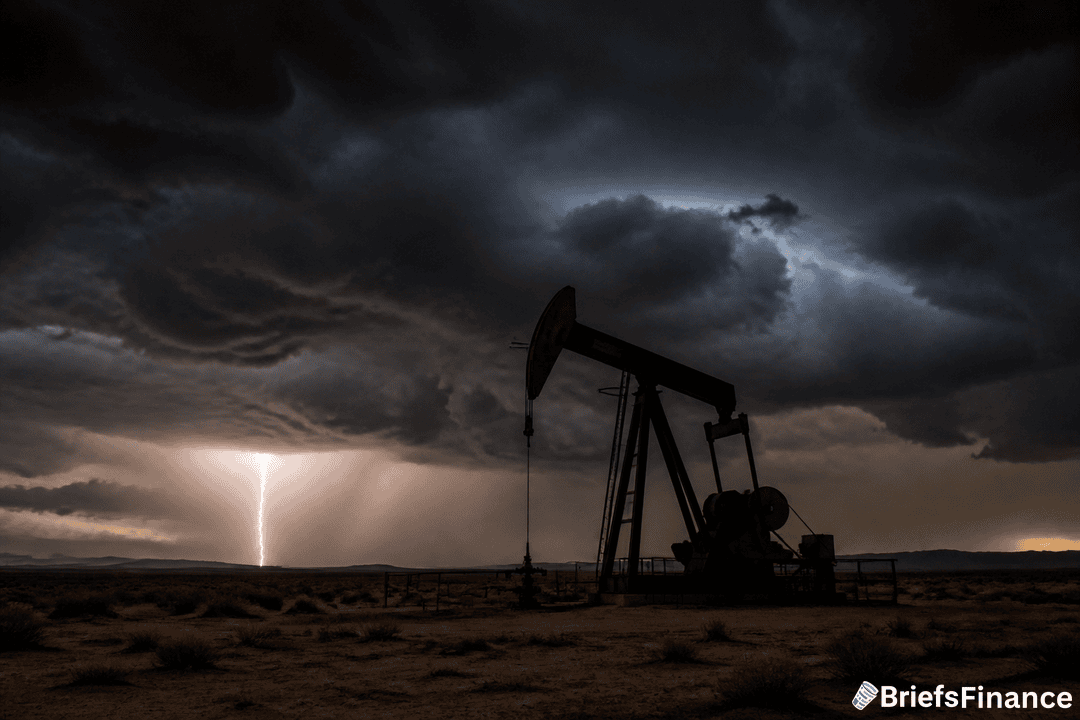
The world's most important shipping lane is back in the headlines, and not in a good way.
The United Arab Emirates has cut all trade ties with Iran after reporting that two missiles fired toward the UAE splashed down harmlessly, according to the UAE statement.
What Just Happened
The UAE declared an immediate halt to all commercial and financial dealings with Iran. It is a big diplomatic step, and it did not come out of nowhere. Earlier this year, Iran launched a series of drone and missile attacks against the UAE, most of which were intercepted but the constant threat still hurt two things that matter a lot to the local economy: tourism and aviation.
The UAE said it had tracked two ballistic missiles coming from Iran and heading toward its territorial waters; both splashed down without harm or injuries. Iran's foreign ministry spokesman, Esmail Baghaei, denies that anything of the sort happened.
The Diplomatic Standoff Is Going Nowhere
The bigger picture is that talks between the U.S. and Iran are stuck. President Donald Trump said the United States is not negotiating with Iran and does not plan to restart discussions. He also chose not to extend a 60-day ceasefire that collapsed the previous Monday.
On top of that, the UAE has now cut off trade with Iran on its own side.
The best financial decisions come from understanding the whole picture. Join Market Briefs free and get the full brief each morning.
The catch: The administration is pushing hard on several fronts at once. Trump threatened to bomb Oman if it gets in the way, and he told Defense Secretary Pete Hegseth to "substantially reduce" joint military exercises with South Korea, apparently because Seoul is not helping with Iran and because he is friendly with Kim Jong Un.
What Is Actually Happening Out There
Reports say Iran has thought about hitting US military targets in Europe, possibly bases in Bulgaria and Cyprus, if the fight grows. A cargo vessel was attacked in the Strait of Hormuz this week - one person was killed in it.
The Strait of Hormuz is the narrow waterway where about one-fifth of the world's oil passes through. Trump insists it is open and under US control. Ship movements through the strait, as tracked by monitoring systems, are still extremely sparse.
Falling traffic means shipping companies are scared. Scared shipping plus a war in the region equals higher insurance rates, longer routes, and eventually higher prices at the pump.
The catch: The US says the strait is fine, but nobody in the cargo business is acting like it is fine. When the people moving goods behave differently than the politicians talking, the market usually punishes the difference.
Two Unrelated Fronts with the Same Vibe
He is juggling Iran, South Korea, and North Korea at the same time.
He took a personal swipe at South Korea, accusing the country of not helping with Iran and then ordering Hegseth to slash joint exercises with Seoul. The excuse is money and Korea's lack of cooperation, but the timing is odd, and the US alliance with South Korea is a cornerstone of Asia-Pacific stability. Cutting exercises on the basis of friendship with Kim Jong Un is a gamble.
What It Means for Your Money
This is not a "sell everything" moment. This is a "buckle up and check that your seatbelt works" moment.
Energy stocks tend to move on headlines like these, and oil prices could swing hard. Transport and shipping names could feel the pain if routes in the Strait of Hormuz stay thin. Bitcoin and gold often get bid up when people feel worried about geopolitics, especially if the dollar wobbles.
Direct exposure to these conflicts is limited for most ordinary investors. But a weeks-long standoff in the Middle East can show up in your bills - fuel, food, and shipping costs all have a way of creeping up when the world's oil chokepoint turns tense.
The smart money is not panicking and dumping everything. But it is worth paying attention to how much noise is coming out of the region and what it costs to move goods through it.
Markets move every day, and most of it never reaches you in time. Get the free Market Briefs daily newsletter and stay ahead of it.