A High-Tech Fix for a Paper Problem
Shipping is the quiet backbone of the AI boom. Chips, minerals, and the parts that go into data centers all have to cross oceans before they become anything useful.
The problem is the paperwork. Ports track cargo with a patchwork of paper records and digital systems, and that mix costs governments time and money every single day.
The Trump administration wants to change that. It just unveiled a new program to speed up trade in AI-critical goods between the US and its closest allies, and the test run will happen in Panama.
The State Department will build a pilot platform there under Pax Silica, a US-led alliance aimed at shoring up supply chains among friendly countries.
The platform uses AI to streamline logistics and compliance. That is a fancy way of saying it helps ports figure out what is arriving, who sent it, and whether it clears the rules without waiting on a pile of forms.
For companies that move these goods, that could mean less time stuck in port and less money lost to delays.
Why Panama Is the Test Track
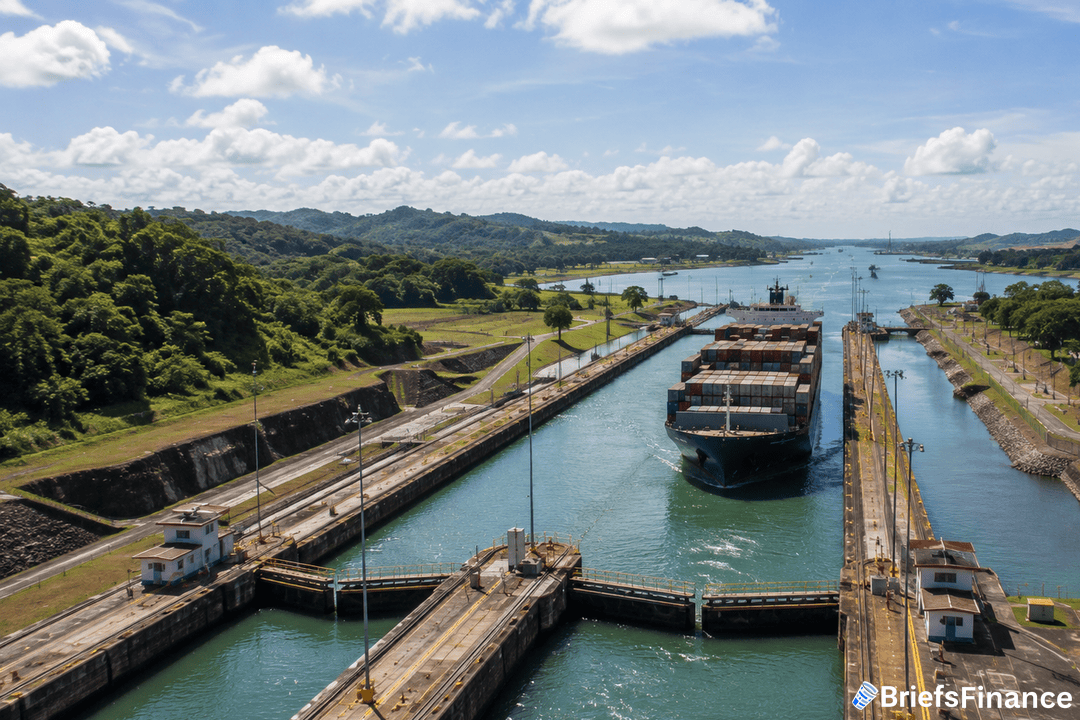
Panama was not a random pick from a map. The country is a critical hub for world commerce, with its canal carrying approximately 3% of all ocean-borne trade each year.
Get the free Always Be Buying eBook and learn the simple system for building wealth on any income
The canal links the Atlantic and Pacific, which makes it a natural spot to test a system meant for the whole AI supply chain.
Helberg visited Panama in May and saw strong interest from the government there. That enthusiasm helped seal the choice.
The project is meant to do more than speed up one canal, though. It is meant to help Panama and other participants keep a close eye on high-value cargo moving through the AI supply chain, from semiconductors to critical minerals.
That matters because China still dominates much of the critical minerals game. Earlier US efforts, like the Minerals Security Partnership from the Biden era, have not meaningfully weakened China's hold.
So the new push is the latest attempt to change that math.
Whoever controls those minerals has real leverage over the AI buildout.
The administration is putting real money behind the new approach. The Panama platform will draw on up to $50 million in U.S. foreign aid.
Earlier this year, the administration also pledged up to $250 million to a consortium funding energy and critical minerals projects.
What It Means for Investors
The through-line here is supply chains. AI investing has mostly been about the flashy names, the chip designers and the cloud giants, but none of that works if the physical parts cannot move.
A faster, more reliable trade lane between allies means fewer bottlenecks for the companies building AI infrastructure. Fewer bottlenecks historically mean smoother operations and steadier costs, which is the kind of thing that shows up in earnings reports eventually.
It also points to where the next wave of money may flow. Governments are spending on AI directly, but they are also spending on the plumbing: logistics, ports, minerals, and the software that ties them together.
Pax Silica already includes about two dozen participants, such as the European Union, the UK, India, and the United Arab Emirates.
For your portfolio, the takeaway is not that one pilot program will move a stock tomorrow. It is that AI is becoming a trade policy story, not just a tech story.
As the US builds out friendlier supply chains, the companies that keep goods moving and minerals flowing could matter as much as the companies that design the chips.
Download the free Always Be Buying eBook and start putting your money to work today