The Incident That Triggered the Recall
The vehicle failed to recognize the smoke, drove into the area, then suddenly applied its brakes and tried to turn, eventually coming to a halt. No injuries were identified.
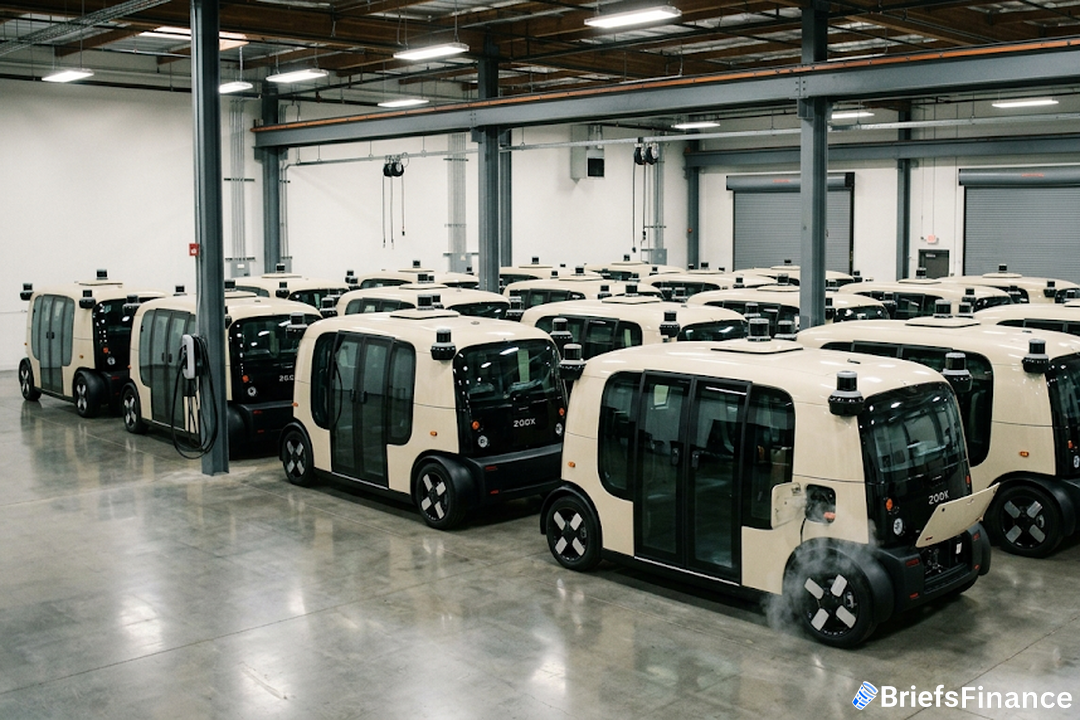
On July 8, Zoox contacted the federal auto-safety agency to report what had happened. Zoox then announced a voluntary software recall for 105 of its robotaxis. That is a small fleet compared with Waymo's roughly 4,000 vehicles operating across the U.S., but the pattern worries regulators.
NHTSA Is Pushing the Whole Industry
This is not just a Zoox problem. NHTSA Administrator Jonathan Morrison sent a letter to all autonomous vehicle developers in which he said the agency has "identified a clear pattern of driverless AVs interfering with law enforcement and other first responders." Morrison directed AV developers and operators to "immediately focus their resources on fixing this issue." Waymo itself recalled about 3,900 robotaxis last month because several of its cars entered closed construction zones on freeways. Two separate incidents in two months from two different companies suggest the technology still struggles with unusual physical obstacles.
Get the market news that matters in a five-minute read with Market Briefs, our free daily newsletter
NHTSA has given every autonomous vehicle developer until the end of the month to present solutions for keeping their cars away from emergency scenes. That deadline applies to the whole industry, not just Zoox.
What This Means for Amazon's Bet
Amazon paid $1.3 billion to buy Zoox in 2020. The company says it is working on a fix for the 105 recalled vehicles. For investors, the bigger story is the regulatory mood.
NHTSA is signaling it will hold autonomous vehicle companies to a high bar around public safety, especially near first responders. That could slow down the rollout of self-driving taxis across the board. A slower rollout means less revenue sooner, and less revenue means the billions spent on acquisitions stay tied up longer.
Other autonomous vehicle operators have faced similar challenges. Waymo, with roughly 4,000 vehicles in operation, recalled about 3,900 robotaxis last month after several entered closed construction zones on freeways. The pattern of incidents involving unexpected physical obstacles suggests the technology still has limitations. NHTSA's deadline for the whole industry to present solutions underscores the agency's concern that these issues are not isolated to one company.
The recall comes at a critical time for autonomous vehicle development. The regulatory pressure from NHTSA signals that even small incidents can have industry-wide repercussions.
Right now, the industry is in a testing phase. Incidents like this one are part of the process. They are not the end of the story.
But they do mean investors should keep their expectations grounded. Self-driving cars are coming. They just are not here yet.
Join Market Briefs, our free daily newsletter, for a quick daily rundown of the markets