The Old Depreciation Math Has Changed
A car traditionally depreciates from the moment a buyer drives it off the lot. For electric cars, that loss was once especially painful. Edmunds' Ivan Drury now describes those resale figures as "horrendous."
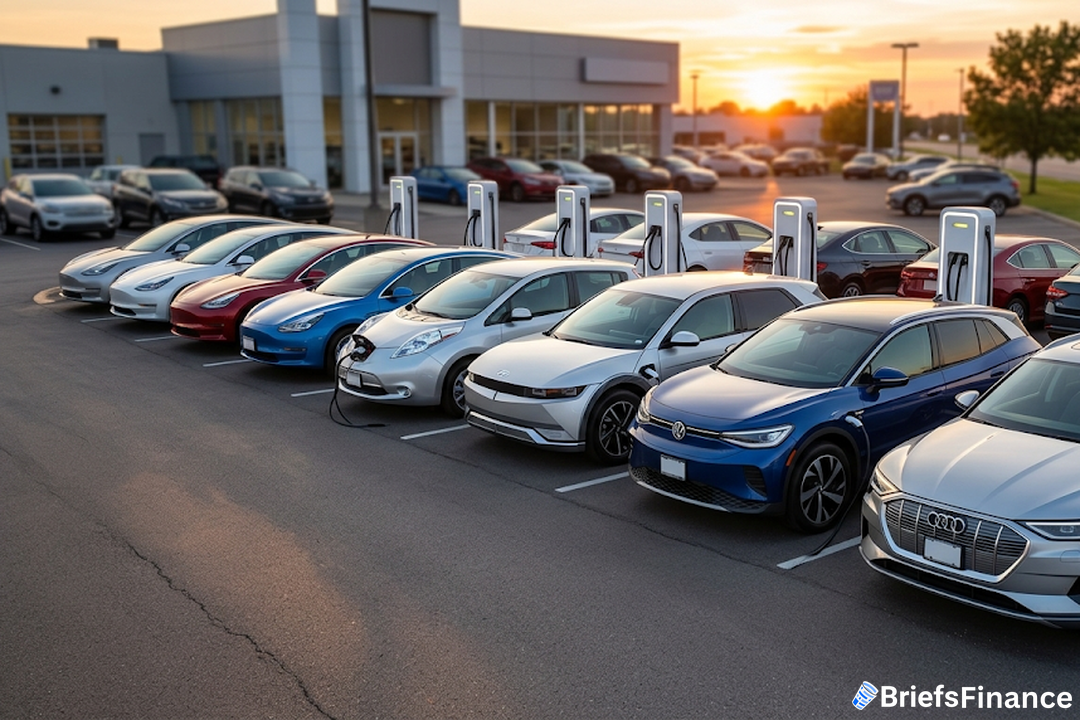
This year, though, the math has shifted. Recurrent, which tracks used EV pricing, recorded a 5.1% rise from January through June. Through mid-July, prices were up 7%. After comparing 108 make/model-year combinations, Recurrent concluded: "Used EVs are appreciating, which almost never happens." Andrew Garberson, Recurrent's head of growth and research, added: "That's just the law of used cars. What we're seeing in 2026 is different because we have more used EV supply than ever."
Tax Credit Gone, Demand Remains
A federal EV tax break created under the Inflation Reduction Act, signed into law by President Joe Biden in 2022, was originally set to run through 2032. But President Donald Trump's "big beautiful bill" axed the incentive early, with the credit expiring after Sept. 30, 2025.
For months, many assumed that killing the credit would also kill EV demand. Garberson said: "The narrative the last nine months has been, after the tax credits expired, no one would buy an electric car anymore."
Buyers did not act that way. Cox Automotive data shows used EV sales climbed 20% in June from a year earlier, even as new EV sales fell by roughly 28%.
Get the market news that matters in a five-minute read with Market Briefs, our free daily newsletter
Gasoline prices help explain the shift. According to weekly Energy Information Administration figures, U.S. regular-grade gasoline prices averaged roughly $4.10 a gallon on July 27, about 31% above the $3.12 average from a year earlier. The Iran conflict is one reason experts cite for expensive gasoline. Drury says expensive gasoline is "supercharging the EV demand."
Edmunds found that hybrids are also benefiting: prices for three-year-old hybrid models rose 3% from January through June.
Overall affordability is another big factor. Auto experts note that inflation has stayed above the Fed's 2% goal for roughly five years. That has nudged more buyers into the used market overall. According to Drury, shoppers frequently can buy a newer electric model - say, a three-year-old one - for about what they would pay for a comparable gasoline vehicle that is four and a half to five years old.
During a recent Recurrent podcast, Rob Dell, a vice president with Bob Ruth Ford in Dillsburg, Pennsylvania, made the same point: "It always comes down to affordability in car sales. It doesn't matter if it runs on gas or electric."
A Closer Look at 3-Year-Old EVs
Edmunds separately looked at 2023 model-year EVs - cars now about three years old. Their average transaction price climbed 6% in the first six months of 2026, reaching $33,303 versus $31,429 earlier.
Stephanie Valdez Streaty, Cox Automotive's director of industry insights, said the increases have been widespread across used EVs. Among the 25 used EVs selling in the largest numbers, 21 carried higher price tags in June than in January.
What the Second Half Could Bring
More than 500,000 EVs coming off lease are expected to reach the used market in 2026, Recurrent projects, and that number should be even larger in 2027. All else being equal, more supply would generally cause prices to fall, but increases continued into mid-July.
That timing matters for owners. Drury said: "If you own one right now and you're debating selling, this matters to you a lot. If your ownership cycle is coming to an end with this vehicle, price-shop this thing."
Electric vehicles remain a small slice of total auto sales. Cox Automotive data puts new EVs at 5.4% of June new-vehicle sales and used EVs at just 2.4% of the used market.
Join Market Briefs, our free daily newsletter, for a quick daily rundown of the markets