What happened
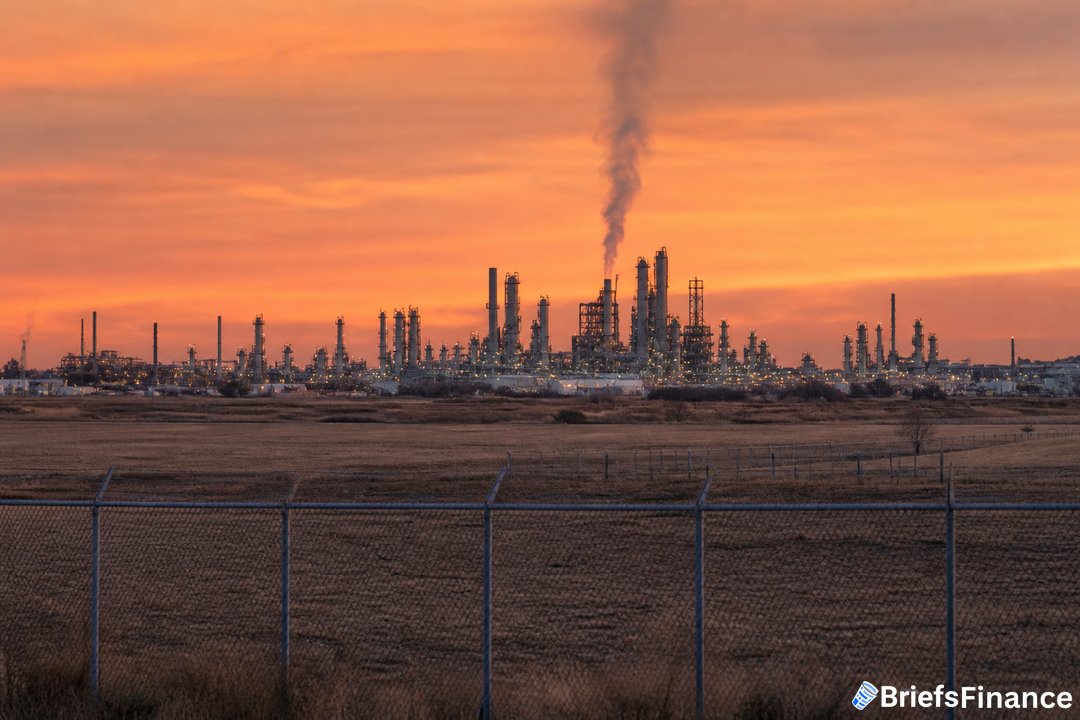
Ukraine's Special Operations Forces said on Telegram that Deep Strike units targeted the Omsk refinery on Wednesday, describing it as the third such strike after earlier hits in July and early October. The statement did not include an assessment of damage.
Bloomberg said it could not verify the claim, and Gazprom Neft PJSC did not immediately reply to a request for comment. That night, Vitaly Khotsenko, the governor of Omsk, wrote on Telegram that several drones had targeted the Siberian region.
Why it matters
Omsk is Russia's biggest refinery by capacity, able to handle about 440,000 barrels of crude per day, and it sits some 2,200 kilometers - about 1,370 miles - east of Moscow. Attacks this far from the front underscore how Ukraine's tactics and long-range strike capability have shifted, with the intent of bringing the conflict onto Russian territory and squeezing energy revenue that funds the invasion.
Kyiv restarted its refinery strikes in late October after an almost two week pause that coincided with US President Donald Trump urging restraint, who sought to lower fuel prices ahead of the midterm elections.
Events like this remind investors how important timely information can be for decisions. We're hosting our first ever investor livestream on 11/17 to show you how to use ChatGPT and Claude to invest like a pro, hosted by Briefs Finance CEO Jaspreet Singh. Save your seat.
The bigger picture and what it means for your portfolio
Since early November, eight Russian refineries have been hit by Ukrainian drones, according to a Bloomberg tally of official statements and people familiar, representing about 2.3 million barrels per day of capacity. A similarly heavy wave over the summer pushed Russian processing to multiyear lows, leading to domestic fuel rationing and a diesel export ban that helped drive global prices to records.
The renewed strikes are unfolding as US envoys Steve Witkoff and Jared Kushner mediate peace talks. Their itinerary includes a meeting in Moscow with President Vladimir Putin, after which they plan to head to Dublin to meet Ukrainian leader Volodymyr Zelenskyy. Meanwhile, Moscow keeps attacking crucial Ukrainian infrastructure - such as ports, power plants and railways - and has also hit residential buildings, resulting in multiple casualties.
Adapting to new developments often gives patient investors a subtle performance advantage. On 11/17, our CEO Jaspreet Singh goes live for our first ever investor livestream on how to use ChatGPT and Claude to invest like a pro. Register to join him.