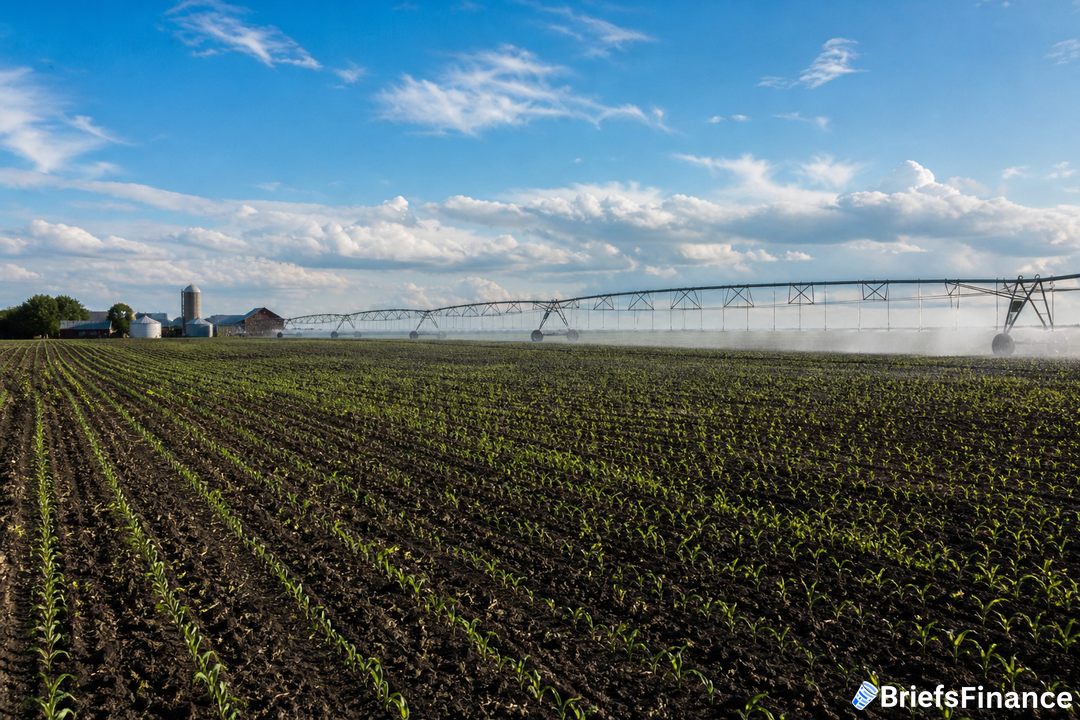
What the plan covers
France is lining up a 10-year push built around close to 1,000 projects totaling €8.7 billion, or about $9.7 billion. Within that, 916 proposed projects span farms, processing facilities, storage, logistics and water management, according to the agriculture ministry's outline.
The program backs more flour milling and other processing so fewer finished foods need to be imported, plus thousands of additional poultry operations. It sets a goal of 24 billion liters of cow milk and calls for more plant protein - soybeans and peas - to trim reliance on imports. It also looks to lift cereal production to meet rising demand for animal feed.
Why the government says it is needed
France has suffered bouts of drought, heat waves, and wildfires that jeopardize crops, events growing more common as the climate warms. As Agriculture Minister Annie Genevard put it on Thursday, "France is now fully mobilized to reclaim our food sovereignty."
Soaring fertilizer and fuel prices linked to wars in Iran and Ukraine have piled pressure on President Emmanuel Macron's administration, which has contended with street demonstrations and union walkouts in the run-up to next spring's presidential elections. Excluding wine and spirits, France's agri-food trade has posted a deficit since 2014. Despite being Europe's largest farm producer, the country's food self-sufficiency has eroded: roughly half of chicken and lamb is imported, and only about half of fruit and vegetables consumed are grown domestically.
When industries renew their foundations, investors benefit from spotting long-term opportunities early. We're hosting our first ever investor livestream on 11/17 to show you how to use ChatGPT and Claude to invest like a pro, hosted by Briefs Finance CEO Jaspreet Singh. Save your seat.
Although France can produce enough milk, wheat and potatoes, bottlenecks in processing mean those raw goods often boomerang back into the country transformed into cheese, flour or frozen fries. And in some sectors, capital has been slow to arrive, with no new fish-farming project in about three decades.
How it will be paid for and recent policy moves
Prime Minister Sébastien Lecornu said the state's budget lines for food and farming now surpass €2 billion, with €750 million earmarked for the revival plan. That plan is expected to tap a mix of public and private funding, including investment from banks, companies and regional authorities.
The project pipeline stems from a process launched last year that assembled farmers, food manufacturers, and regional authorities to identify supply-chain weak points, set decade-long production targets, and propose remedies. In August, lawmakers passed an emergency act featuring steps to expand livestock farming, enhance water storage and irrigation, curb unfair competition, and prioritize French products in public cafeterias.
What it means for your portfolio
In plain English: this is a capital program to shift more of France's food production and processing back onshore, with identified projects and blended financing. That could steer money toward farms, plants and logistics across the 916-project list over the next decade, in sectors from proteins to cereals to water infrastructure.
Smart investors use new tools to uncover steady growth as markets evolve over time. On 11/17, our CEO Jaspreet Singh goes live for our first ever investor livestream on how to use ChatGPT and Claude to invest like a pro. Register to join him.