What happened
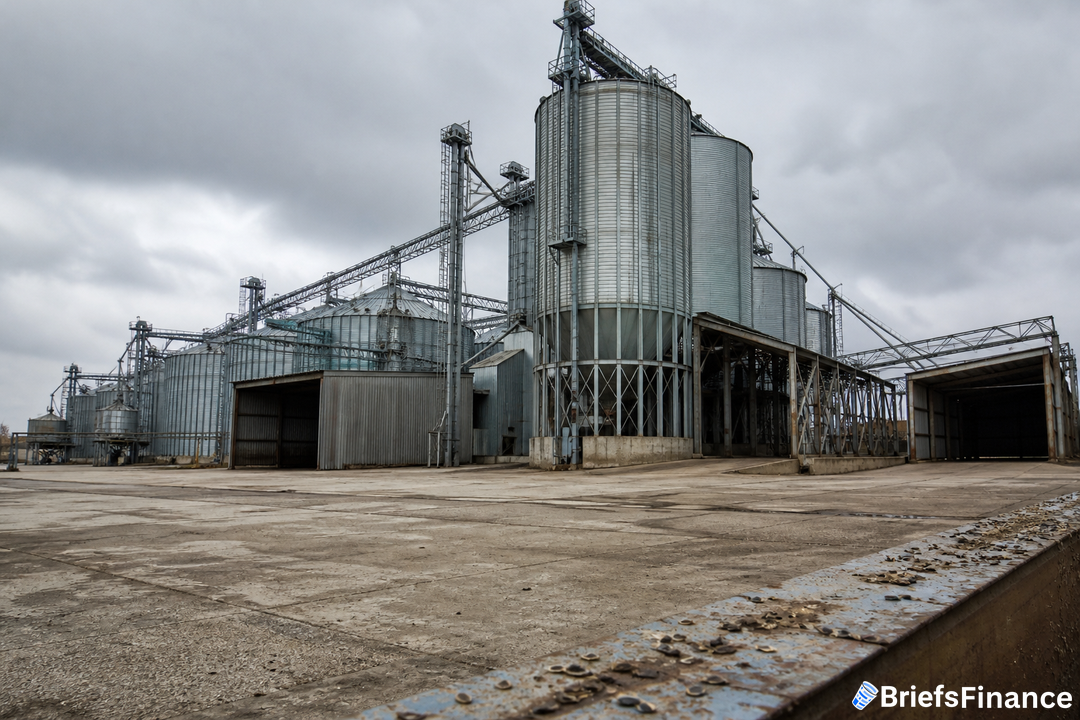
Kernel said heavy drone attacks damaged processing machinery and storage tanks, forcing a full shutdown across its oilseed-crushing plants. The company warned, "Oilseed crushing is a continuous technological process with an elevated fire risk," adding, "A strike on operating equipment poses a direct risk of a large-scale fire and a threat to employees' lives."
The firm also halted all oilseed purchases and is shipping product already in warehouses to honor obligations to farmers and other partners. A strike on Sunday damaged a soybean processing plant, and other large agricultural companies have been targeted this month. A person with Ukraine's military intelligence, who requested anonymity, said the Kremlin is planning additional strikes on silos, dairy plants, sunflower oil factories, and on meat and poultry producers.
The strategy and the response
Hitting crop processors is a sharper squeeze on one of Kyiv's key export earners and a stress point for food security. Ukraine has pushed into more value-added agriculture in recent years to counter war-related disruptions to raw crop exports.
Agriculture Minister Taras Vysotskyi said he is coordinating with the defense ministry on measures against the strikes, while noting that 100% protection is not achievable. He called farm output "inherently decentralized and diversified" and said there are "no grounds to anticipate a critical food shortage" in Ukraine.
In uncertain times, smart investors look for tools that deepen understanding and reduce risk. We're hosting our first ever investor livestream on 11/17 to show you how to use ChatGPT and Claude to invest like a pro, hosted by Briefs Finance CEO Jaspreet Singh. Save your seat.
Trade routes, revenue, and growth risk
Both Russia and Ukraine have attacked grain infrastructure on the Black Sea, a route that handles over one-quarter of the world's wheat shipments and about two-thirds of sunflower oil exports. That has throttled flows to world markets and pushed both countries to find alternate routes.
Agriculture has become even more vital to Ukraine's budget since Russia seized areas of eastern Donetsk that produce steel. Grains, oilseeds, and other farm goods now make up more than half of export revenue, a pillar for funding Kyiv's war effort. As advances have stalled on the frontline, Moscow has intensified strikes on energy and transport networks. The United Nations said last month that civilian deaths in September were the highest since the full-scale invasion began four and a half years earlier.
Ukraine has responded by hitting Russian refineries far inside the country, which led Moscow to curb fuel exports and limit gasoline sales. The central bank said last week that Russian attacks will likely result in the economy's first contraction since 2022 this year. It also projects the farm sector could forfeit $4.6 billion of export revenue during the second half of 2026.
What it means for your portfolio
For investors watching food, energy, and shipping, this is a supply chain squeeze in real time: crushing capacity offline, Black Sea routes constrained, and a war economy leaning on farm exports. The bottom line: expect tighter sunflower oil and grain flows, monitor rerouting costs in exporter margins, and track refinery outages that can shift regional fuel balances.
Using new analytical tools can help investors spot opportunities and act with confidence. On 11/17, our CEO Jaspreet Singh goes live for our first ever investor livestream on how to use ChatGPT and Claude to invest like a pro. Register to join him.