What Happened on July 31
West Texas Intermediate crude advanced 2.2%, settling at $85.41 a barrel. Brent crude futures, the global benchmark, added 1.5% to close at $90.36.
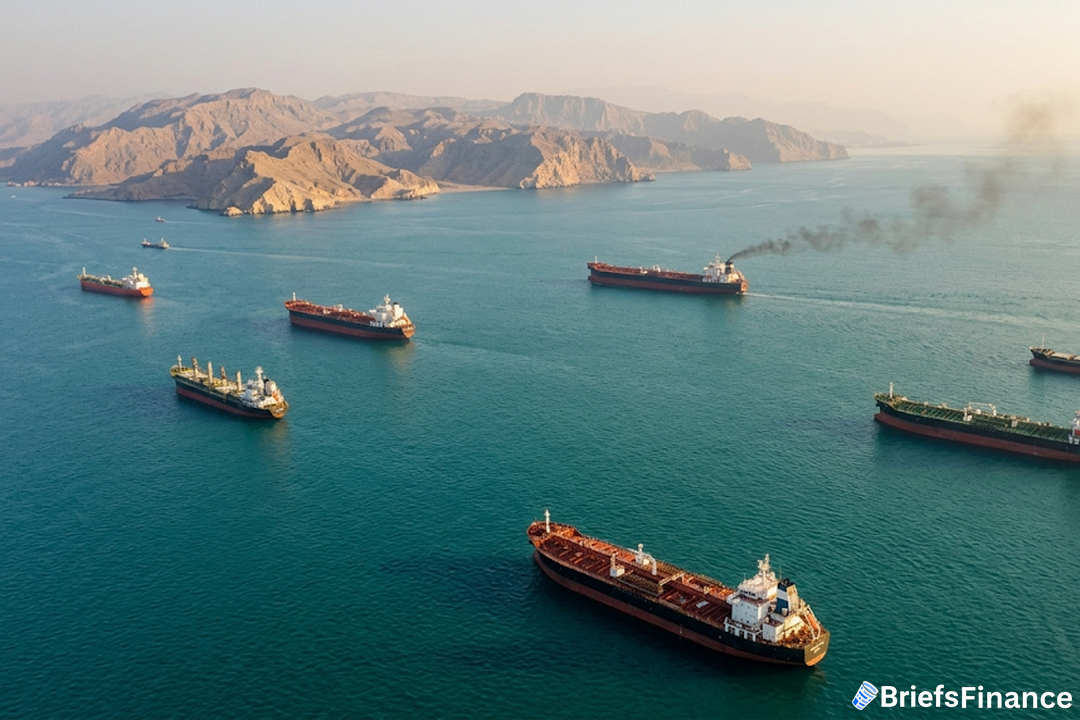
State-run PressTV reported that Iran's Islamic Revolutionary Guard Corps struck the vessels as they attempted to pass through Hormuz under a U.S. military escort. PressTV also said the four other tankers reversed course after the attacks.
Supply Concerns
Commonwealth Bank of Australia wrote in a Friday note that tanker traffic returning to the waterway had eased market fears, after U.S.-Iranian military action earlier in the week briefly pushed Brent past $93.
Get the market news that matters in a five-minute read with Market Briefs, our free daily newsletter
Last week, Iran-backed Houthi fighters in Yemen announced a naval embargo on Saudi Arabia and have struck tankers in the Red Sea. Ukraine also went after Russian energy infrastructure this week, hitting additional vessels in the Black Sea. Those attacks also threaten the Caspian pipeline that carries Kazakhstan's crude to international buyers.
Executives and Analysts Warn of Strain
Beyond the latest price move, executives and analysts pointed to the broader pressure on global energy supply. S&P Global's Dan Yergin described the Strait of Hormuz as a "tool of control" for Iran. Chevron's Mike Wirth said on CNBC on Friday that regional supply risks now extend beyond Hormuz and worldwide inventories are declining.
"The situation is under stress and I'm afraid it's going to continue to do so," Wirth said. "We're running out of time. Every day that goes by, the situation gets more difficult."
Darren Woods, Exxon's chief executive, told CNBC the crucial waterway has to resume operations, since global demand depends on Gulf oil that the conflict has taken off the market. "It is the main artery of supply for the world that powers economic growth everywhere and so eventually those barrels are going to have to flow," Woods told CNBC's "Squawk Box."
Trump's Tariff Call
Investors also assessed President Donald Trump's push to include Iran tariffs in a bipartisan sanctions package aimed at Tehran and Russia. Although congressional backing for sanctions on both countries is broad, Trump's long-held view of tariffs as a universal economic weapon is divisive.
The U.S. Trade Representative's office reported that American imports from Iran in 2025 totaled just $1.4 million. Trading Economics found that art, collectors pieces and antiques formed the biggest part of those imports, accounting for 55% of the total.
"I'd like to see tariffs on Iran. It would make it much stronger," Trump said, referring to a bill that would hit Russia and supporters of its Ukraine war with economic penalties. The proposal would also allow Trump to impose targeted duties on imports from the five biggest buyers of Russian energy and from governments that help Moscow evade sanctions.
Join Market Briefs, our free daily newsletter, for a quick daily rundown of the markets