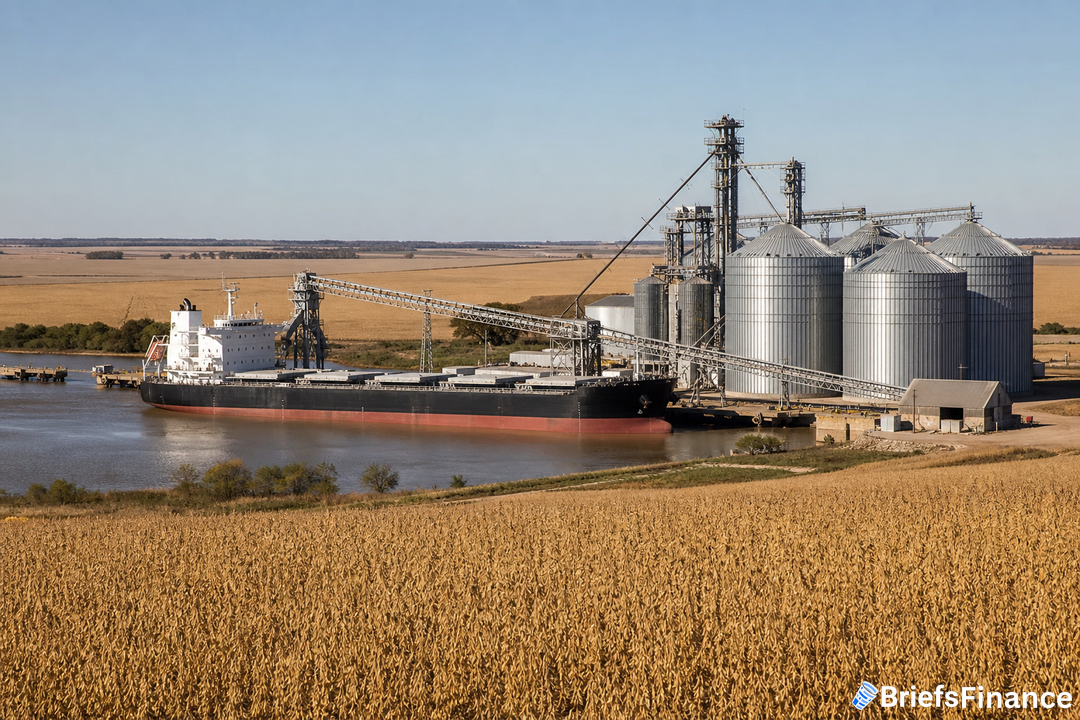
What happened this week
Over the past week, China's state-owned traders locked in no less than 1 million tons of US soybeans, said people with knowledge of the purchases. Those deals bring cumulative purchases for the current season to nearly 13 million tons, surpassing half of the 25 million tons per year that Washington says Beijing committed to through 2028.
The goal was included in a broader thaw agreed last year, which helped restart crop shipments after they largely stalled early in US President Donald Trump's latest term as tariffs piled up. Chinese President Xi Jinping and Trump are due to meet in the US in late September at a much-scrutinized trade summit, marking their second meeting this year. Beyond soybeans, China committed to purchase at least $17 billion in US agricultural goods, and the amount for 2026 will be allocated on a proportional basis, the White House said in May.
Market moves and government data
The US Department of Agriculture said last week that sales to China exceeded 600,000 tons for delivery in the 2026-27 marketing year, and reported no fresh sales on Monday. Export logs show weekly US soybean shipments accelerated to the highest since April, rising 44% from the prior week, with China the top outlet.
Chicago soybean futures gained as much as 1% on Monday, clawing back after steep declines the week before. The pickup in exports has helped push prices to the strongest since 2023, giving American growers a lift heading into harvest. Sustained demand will be necessary to keep the rally going, said Joe Davis, who holds the commodity sales director role at Futures International LLC. StoneX analyst Mike Castle called the export pace an "encouraging sign as we shift towards fulfilling the growing sales book for the fall period." Longer-run trade momentum is still fragile as tensions simmer over issues like artificial intelligence competition and US arms sales to Taiwan.
Global trade shifts remind investors to keep portfolios aligned with long term goals. Join Briefs Finance CEO Jaspreet Singh on September 29th for a FREE live investor workshop, How to Profit From A Dollar That's Losing its Value, where he shows how we're spotting investment opportunities as the dollar falls. Save your spot.
Capacity and demand backdrop
Demand has also been lifted by stricter biofuel blending mandates in the US and other regions, bolstering domestic processing. In its September report released Friday, the USDA surprised analysts by raising its estimates for soybean production and yields.
USDA data indicate that, in the latest week, American soybean shipments climbed to their highest level since April, with China leading the way. And US processing capacity is set to grow: CHS Inc., the largest farm cooperative, said Monday it will build a $700 million soy crushing facility near Evansville, Wisconsin. Work is slated to begin this year, with the project scheduled to wrap up in autumn 2028. According to the company, robust demand and a supportive policy backdrop "reinforce the need for additional soybean processing capacity in the US."
What it means for your portfolio
Bigger export volumes and stronger prices signal firm demand for US soybeans, which can ripple into everything from farm revenues to processing margins. If China keeps the purchases coming, that supports the price story; if buying slows, the recent pop may fade. Watch the flow of sales and shipments heading into the late September summit to gauge how durable this trend looks for the rest of the year.
A steady, diversified plan helps protect and grow your savings through changing times. Our CEO Jaspreet Singh is hosting a FREE live investor workshop, How to Profit From A Dollar That's Losing its Value, on September 29th. Sign up free to join him live.